 63 citations
,
September 1987 in “Journal of Biological Chemistry”
63 citations
,
September 1987 in “Journal of Biological Chemistry” Minoxidil slows fibroblast growth and collagen production, potentially treating keloids, hypertrophic scars, and connective tissue disorders.
 40 citations
,
January 2013 in “International journal of trichology”
40 citations
,
January 2013 in “International journal of trichology” Perifollicular erythema can indicate active frontal fibrosing alopecia.
7 citations
,
December 2024 in “Journal of Functional Biomaterials” Advanced platelet-rich fibrin improves healing and reduces pain in oral surgery.
3 citations
,
October 2023 in “Plastic & Reconstructive Surgery Global Open” Nanofat injections before hair transplantation improve eyebrow restoration in burn scars.
 16 citations
,
February 2010 in “Journal of the European Academy of Dermatology and Venereology”
16 citations
,
February 2010 in “Journal of the European Academy of Dermatology and Venereology” Fibrosing alopecia in a pattern distribution is a unique hair loss condition that may respond to antiandrogen therapy.
3 citations
,
April 2018 in “Journal of Investigative Dermatology” CCCA may be a fibroproliferative disorder, and anti-fibrotic therapies could help.
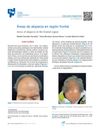 January 2025 in “Revista del Centro Dermatológico Pascua”
 Early diagnosis and treatment can help manage fibrosing alopecia in older women.
2 citations
,
May 2022 in “bioRxiv (Cold Spring Harbor Laboratory)” Rare Gli1+ fibroblasts are crucial for skin wound healing.
 39 citations
,
July 2015 in “British Journal of Dermatology”
39 citations
,
July 2015 in “British Journal of Dermatology” The pseudo 'fringe sign' can also appear in frontal fibrosing alopecia, not just in traction alopecia, showing that this condition may be more common than thought.
 1 citations
,
May 2024 in “Dermatology and Therapy”
1 citations
,
May 2024 in “Dermatology and Therapy” Frontal Fibrosing Alopecia needs better diagnostics and treatments, with dutasteride showing promise.
325 citations
,
June 1994 in “Archives of Dermatology” Postmenopausal frontal fibrosing alopecia may be a unique condition linked to postmenopausal changes.
 1 citations
,
January 2018 in “Journal of SAFOMS”
1 citations
,
January 2018 in “Journal of SAFOMS” A rare ovarian tumor can cause unusual male-like symptoms, but surgery usually leads to a good outcome.
January 2020 in “Clinical Case Reports and Reviews” Lupus and frontal fibrosing alopecia may share a common cause.
 7 citations
,
March 2007 in “International Journal of Dermatology”
7 citations
,
March 2007 in “International Journal of Dermatology” Targeting FGFR-1 with antisense oligonucleotides may help treat baldness by increasing hair follicle activity.
Genetic factors might cause fibrosing alopecia linked to hair shaft abnormalities.
Combining anti-androgenic, anti-inflammatory, and anti-fibrotic treatments may improve hair loss outcomes.
 March 2025 in “Wound Repair and Regeneration”
 The hydrogel scaffold improved skin flap healing and reduced inflammation.
 1 citations
,
September 2021 in “CRC Press eBooks”
1 citations
,
September 2021 in “CRC Press eBooks” Frontal Fibrosing Alopecia is a hair loss condition mainly affecting postmenopausal women, with unclear causes and various clinical patterns.
August 2021 in “Journal of the American Academy of Dermatology” Hair fiber fillers make thinning hair look fuller with minimal side effects.
 May 2022 in “Journal of Cosmetic Dermatology”
 The authors suggest a method for hair transplantation in fibrosing alopecia pattern distribution to improve treatment outcomes and cover bald areas.
 33 citations
,
January 2010 in “Case reports in dermatology”
33 citations
,
January 2010 in “Case reports in dermatology” Dermoscopy helps diagnose frontal fibrosing alopecia by distinguishing it from other hair loss conditions.

Correcting EDA fibronectin organization and YAP translocation can improve wound healing in fibrotic conditions.
4 citations
,
December 2020 Methotrexate may help stabilize frontal fibrosing alopecia.
 4 citations
,
November 2016 in “International Society of Hair Restoration Surgery”
4 citations
,
November 2016 in “International Society of Hair Restoration Surgery” Both punch types are effective, but they differ in transection rates and ease of use.
6 citations
,
July 2004 in “JDDG Journal der Deutschen Dermatologischen Gesellschaft” Frontal fibrosing alopecia in postmenopausal women can be managed with early treatment using corticosteroids to stop hair loss.
 10 citations
,
January 2007 in “Dermatologic Surgery”
10 citations
,
January 2007 in “Dermatologic Surgery” Artificial hair fibers help treat scalp scars with few complications and a 20% yearly fiber fall rate.
 January 2007 in “Dermatologic Surgery”
 Artificial hair fibers help treat scalp scars with few complications and a 20% yearly fiber fall rate.
 February 2022 in “Journal of Investigative Dermatology”
 Newborn skin cells can change into wound-healing cells more easily than adult ones, which might explain why baby skin heals without scars. Understanding this could help treat chronic wounds and prevent scarring.
 December 2015 in “Actas Dermo-Sifiliográficas”
 Hair transplantation for Frontal Fibrosing Alopecia may work if the disease is inactive for 2 years and with ongoing treatment to maintain results.