
Isotretinoin reduced inflammation in tufted hair folliculitis, but hair tufting remained.
88 citations
,
April 1981 in “Molecular and cellular biochemistry”  July 2022 in “Research Square (Research Square)”
 Lower PPARγ levels and specific gene variations are linked to more severe Frontal Fibrosing Alopecia.
2 citations
,
June 2013 in “Journal of Dermatological Case Reports” Olmsted syndrome is a rare skin disorder causing thickened skin and other symptoms.
10 citations
,
November 2017 in “Skin Appendage Disorders” Erosive pustular dermatosis in elderly people may be linked to aging immune systems and skin damage.
 April 2017 in “Journal of Investigative Dermatology”
 Fisetin may help treat psoriasis and reduce skin inflammation.
 4 citations
,
February 1996 in “Postgraduate Medical Journal”
4 citations
,
February 1996 in “Postgraduate Medical Journal” Finasteride linked to skin inflammation.
 June 2023 in “British journal of dermatology/British journal of dermatology, Supplement”
 A child with skin and tooth symptoms was found to have a genetic mutation causing cardiocutaneous syndrome, leading to heart problems.
February 2022 in “Brazilian Journal of Health Review” Most cases were lichen planus pigmentosus, highlighting the need for accurate diagnosis for proper treatment.
12 citations
,
January 2016 in “Skin Appendage Disorders” Hydroxychloroquine is ineffective for treating frontal fibrosing alopecia with lupus erythematosus.
 23 citations
,
September 2020 in “Journal of Cosmetic Dermatology”
23 citations
,
September 2020 in “Journal of Cosmetic Dermatology” Injectable Platelet-Rich Fibrin (I-PRF) showed positive results for treating hair loss, skin texture, wrinkles, and wounds.
 October 2020 in “International Journal of Research in Dermatology”
 The review suggests more research is needed to understand Frontal fibrosing alopecia, a condition causing hairline recession in postmenopausal women.
4 citations
,
April 2019 in “DOAJ (DOAJ: Directory of Open Access Journals)” 5-α-reductase inhibitors, intralesional steroids, and hydroxychloroquine are the most effective treatments for frontal fibrosing alopecia.
46 citations
,
November 2014 in “Journal of Cutaneous Pathology” Recognizing diverse presentations of folliculotropic mycosis fungoides is crucial to avoid diagnostic errors.
 September 2022 in “XXXIX Congresso Brasileiro de Reumatologia”
 Tofacitinib may effectively treat skin symptoms in difficult cases of dermatomyositis.
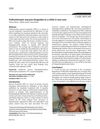 1 citations
,
October 2023 in “Journal of the Pakistan Medical Association”
1 citations
,
October 2023 in “Journal of the Pakistan Medical Association” Folliculotropic mycosis fungoides can occur in children and is diagnosed with specific tests, but often stays in early stages with treatment.
 46 citations
,
January 2015 in “Journal of The American Academy of Dermatology”
46 citations
,
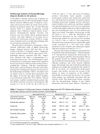
January 2015 in “Journal of The American Academy of Dermatology” Trichoscopy helps diagnose and assess the severity of Frontal Fibrosing Alopecia.
62 citations
,
May 2016 in “British journal of dermatology/British journal of dermatology, Supplement” 20 citations
,
March 1990 in “Archives of Dermatology” Nonimmunosuppressive cyclosporines might treat skin diseases by affecting cell growth.
 3 citations
,
February 2022 in “Dermatology practical & conceptual”
3 citations
,
February 2022 in “Dermatology practical & conceptual” The study concludes that early diagnosis of Frontal Fibrosing Alopecia is important, as it is often found in postmenopausal women, may be related to Lichen Planopilaris, and eyebrow hair loss is a common sign.
 1 citations
,
October 2015 in “The American journal of gastroenterology”
1 citations
,
October 2015 in “The American journal of gastroenterology” Stopping infliximab and using strong topical steroids can regrow hair lost due to psoriasiform alopecia.
 December 2023 in “Journal of General Procedural Dermatology and Venereology Indonesia”
 A 61-year-old Filipino man had a skin condition that looked like another disease, making diagnosis difficult.
31 citations
,
December 2016 in “Anais Brasileiros de Dermatologia” DHEA reduction may be linked to frontal fibrosing alopecia, but more research is needed.
 1 citations
,
January 2014 in “Health Renaissance”
1 citations
,
January 2014 in “Health Renaissance” Pseudopelade of Brocq is hard to diagnose and treat, with limited effective options.
July 2022 in “British Journal of Dermatology”  1 citations
,
April 2010 in “Expert Review of Dermatology”
1 citations
,
April 2010 in “Expert Review of Dermatology” The document concludes that early diagnosis and treatment are crucial for managing rare hair loss disorders and that more research is needed to improve treatment strategies.
 1 citations
,
June 2012 in “Actas Dermo-Sifiliográficas”
1 citations
,
June 2012 in “Actas Dermo-Sifiliográficas” Early and aggressive treatment of scarring alopecia is important to prevent further hair follicle damage.
176 citations
,
June 2019 in “Cells” Different fibroblasts play key roles in skin healing and scarring.
 July 2025 in “Russian Journal of Clinical Dermatology and Venereology”
 Tofacitinib may help hair regrowth in familial alopecia areata with immune issues, but more research is needed.
 March 2012 in “Journal of The American Academy of Dermatology”
 Dermoscopy helps diagnose different hair loss conditions, and characteristics vary among ethnicities and individual cases.