 49 citations
,
January 2003 in “Clinical and Experimental Dermatology”
49 citations
,
January 2003 in “Clinical and Experimental Dermatology” The document concludes that post-menopausal frontal fibrosing alopecia is a poorly understood condition that does not respond well to common treatments.
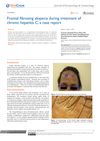 September 2017 in “Journal of Dermatology & Cosmetology”
 Hepatitis C treatment may cause frontal fibrosing alopecia.
 January 2026 in “DOAJ (DOAJ: Directory of Open Access Journals)”
 Early biopsy and targeting inflammation can improve treatment for hair loss in androgenetic alopecia.
2 citations
,
January 2023 in “PubMed” Targeting FGF5 could help treat prostate cancer.
 April 2017 in “Journal of Investigative Dermatology”
 HPH-15, a new compound, effectively reduces skin fibrosis in experiments without causing harm.
 June 2025 in “International Journal of Molecular Sciences”
 Targeting EMT and fibrotic remodeling may help treat androgenetic alopecia.
April 2018 in “Journal of Investigative Dermatology” Differentiated fibroblasts regenerate hair follicles better than undifferentiated ones.
August 2016 in “The journal of investigative dermatology/Journal of investigative dermatology” Different types of skin cells create unique support structures that can affect skin cell growth and could help in skin repair.
 62 citations
,
March 2015 in “PLOS ONE”
62 citations
,
March 2015 in “PLOS ONE” Pre-seeding scaffolds with fibroblasts improves skin wound healing.
 188 citations
,
March 2018 in “Frontiers in Immunology”
188 citations
,
March 2018 in “Frontiers in Immunology” Regulatory T-cells are important for healing and regenerating tissues in various organs by controlling immune responses and aiding stem cells.
 78 citations
,
June 2022 in “Infection”
78 citations
,
June 2022 in “Infection” Many COVID-19 survivors experience long-term symptoms like fatigue and sleep issues, needing ongoing medical support.
 64 citations
,
August 2013 in “Mayo Clinic Proceedings”
64 citations
,
August 2013 in “Mayo Clinic Proceedings” Wound healing insights can improve regenerative medicine.
 43 citations
,
January 2011 in “Plastic and Reconstructive Surgery”
43 citations
,
January 2011 in “Plastic and Reconstructive Surgery” Stem cells have great potential for improving wound healing, but more research is needed to find the best types and ways to use them.
 11 citations
,
July 2021 in “Nanomaterials”
11 citations
,
July 2021 in “Nanomaterials” Wound covers with α-13'-COOH from vitamin E can improve and speed up wound healing.
 8 citations
,
February 2022 in “Journal of Clinical Medicine Research”
8 citations
,
February 2022 in “Journal of Clinical Medicine Research” The MATH+ protocol aims to improve COVID-19 outcomes using a combination of specific treatments.
 1 citations
,
October 2025
1 citations
,
October 2025 γδ T cells help control tissue scarring and blood vessel growth in response to foreign objects.
July 2025 in “Journal of Investigative Dermatology” Resident memory T cells and necroptosis may drive fibrosis in eosinophilic fasciitis and morphea.
 17 citations
,
November 2015 in “Oxidative Medicine and Cellular Longevity”
17 citations
,
November 2015 in “Oxidative Medicine and Cellular Longevity” Fibroblast Growth Factor-9 helps repair heart damage after a heart attack by creating new blood vessels, especially in diabetics.
3 citations
,
February 2023 in “Journal of Investigative Dermatology” Ch55 may help reduce skin scarring and fibrosis.
143 citations
,
January 2012 in “Cell and Tissue Research” 23 citations
,
January 2024 in “Journal of Investigative Dermatology” Corticosteroids can reduce scarring in acne keloidalis by targeting specific cells.
 May 2022 in “Gastroenterology”
 Targeting NETs may help reduce fibrosis in Crohn's disease.
January 2016 in “Indian dermatology online journal” The patient has frontal fibrosing alopecia (FFA).
 44 citations
,
March 2015 in “PLOS ONE”
44 citations
,
March 2015 in “PLOS ONE” Fibroblast Growth Factor-9 (FGF-9) can help improve heart function in diabetic mice after a heart attack by reducing inflammation and harmful changes to the heart's structure.
 September 2019 in “Journal of Investigative Dermatology”
 Mouse skin fibroblasts vary in function and adaptability based on their environment.
June 2026 in “British Journal of Dermatology” Photodynamic therapy for actinic keratosis can cause permanent hair loss.
February 2025 in “Archives of Dermatological Research” Fibrosing alopecia can be diagnosed without typical signs of lichen planopilaris.
September 2018 in “Digital Access to Scholarship at Harvard (DASH) (Harvard University)” FN nanofiber dressings improve wound healing and restore natural skin structure.
 2 citations
,
July 2022 in “Frontiers in Medicine”
2 citations
,
July 2022 in “Frontiers in Medicine” The cause of Frontal fibrosing alopecia, a type of hair loss, is complex, likely involving immune responses and genetics, but is not fully understood.
 146 citations
,
July 2018 in “Regenerative Medicine”
146 citations
,
July 2018 in “Regenerative Medicine” Understanding different types of skin cells, especially fibroblasts, can lead to better treatments for wound healing and less scarring.