7 citations
,
May 2021 in “EBioMedicine” Increased methylation of the Filip1l gene may contribute to aggressive skin cancer.
 January 2020 in “Research Portal Denmark”
 A short male anogenital distance may indicate incomplete masculinization due to disrupted androgen action.
Higher cholesterol levels increase aggressive prostate cancer risk.
 February 2010 in “ePrints Soton (University of Southampton)”
 Male sexual differentiation is regulated independently, while female differentiation occurs in an androgenic environment, affecting conditions like congenital adrenal hyperplasia.
 266 citations
,
November 2013 in “European Journal of Epidemiology”
266 citations
,
November 2013 in “European Journal of Epidemiology” The Rotterdam Study aims to understand disease causes in the elderly and has found new risk factors and genetic influences on various conditions.
 4 citations
,
January 2000
4 citations
,
January 2000 Piedraia hortae fungi dissolve both the outer and inner layers of hair.
 January 2021 in “bioRxiv (Cold Spring Harbor Laboratory)”
 Mothers have more hair proteins than their children, with age-related differences in protein patterns, and some proteins in hair could indicate early childhood development.
1 citations
,
April 2016 in “Journal of lipid research” Lipin-1 is important for skin cell differentiation and skin barrier function.
2 citations
,
December 2013 in “Journal of dermatology” A specific gene mutation causes a rare hair loss condition in a Chinese patient.
April 2011 in “The FASEB Journal” Profilin1 speeds up wound healing.
194 citations
,
November 2006 in “Science” A genetic mutation in the LIPH gene causes hair loss and growth defects.
 11 citations
,
July 2021 in “Physiologia Plantarum”
11 citations
,
July 2021 in “Physiologia Plantarum” SIPHL1 from tomato enhances plants' response to low phosphate levels.
May 2023 in “Pharmaceuticals” Three specific mutations in the LIPH gene can cause hair loss by damaging the protein's structure and function.
January 1999 in “Universitas Philosophica” Cornifin-alpha/SPRR1 is increased in certain skin conditions and by specific treatments.
 November 2022 in “The journal of investigative dermatology/Journal of investigative dermatology”
 The STRIPAK complex is crucial for skin cell organization and creating a functional skin barrier.
1 citations
,
December 2016 in “Revista română de medicină de laborator” The NIPAL4 mutation c.527C>A is common in Romanian patients with autosomal recessive congenital ichthyosis.
April 2025 in “Frontiers in Genetics” Combining genetic models helps improve heat tolerance in beef cattle.
 14 citations
,
January 2020 in “Korean Journal of Family Medicine”
14 citations
,
January 2020 in “Korean Journal of Family Medicine” Early diagnosis of leprosy is crucial to prevent disabilities and spread, even in non-endemic areas.
1 citations
,
September 2020 in “Journal of dermatology” Researchers found a new mutation in the LIPH gene of a woman with a rare hair condition.
 May 2025 in “Frontiers in Genetics”
 A new genetic variant in the LIPH gene causes hair growth issues in a Chinese patient.
 August 2016 in “Journal of Investigative Dermatology”
 Researchers found a new genetic mutation linked to a hair condition in a Japanese boy.
28 citations
,
January 2015 in “Journal of Cell Science” PINCH-1 is crucial for skin cell adhesion and movement, working with EPLIN and ILK.
November 2018 in “Journal of dermatology & cosmetology” The document reports the first case of a rare skin condition in Colombia, the 19th case worldwide.
 23 citations
,
December 2013 in “British Journal of Dermatology”
23 citations
,
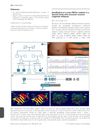
December 2013 in “British Journal of Dermatology” A new gene mutation linked to a skin condition was found in a Spanish family.
September 2025 in “Indian Journal of Dermatology” A Turkish woman has a hair condition caused by a LIPH gene mutation.
47 citations
,
September 2012 in “Human molecular genetics online/Human molecular genetics” Folliculin deficiency causes problems with cell division and positioning due to disrupted RhoA signaling and interaction with p0071.
July 2024 in “Journal of Investigative Dermatology” PH-762 shows promise in treating skin cancer by effectively targeting and silencing PD-1 in tumors with minimal side effects.
 February 2023 in “Journal of dermatology”
 The first Japanese case of a genetic hair disorder caused by specific mutations in the LIPH gene was identified.
July 2025 in “Frontiers in Medicine” Mutations in the LIPH gene cause woolly hair in a child.
7 citations
,
February 2011 in “Journal of dermatology” The 736T>A mutation in the LIPH gene is common in Japanese people with autosomal recessive woolly hair.