 July 2019 in “Dermatología Cosmética, Médica y Quirúrgica”
 Small injections of dutasteride improved hair thickness in men with hair loss without major side effects.
 December 2018 in “Evidence-Based Practice”
 Topical minoxidil 1% and 2% are twice as effective as placebo for female pattern hair loss.
 April 2018 in “Expert Opinion on Drug Safety”
 Use finasteride over dutasteride for hair loss; consider topical treatments and weigh risks.
 October 2017 in “World Academy of Science, Engineering and Technology, International Journal of Medical and Health Sciences”
 Combination therapy with higher concentrations of minoxidil can lead to rapid hair growth in pattern baldness with no significant side effects.
 November 2015 in “Springer eBooks”
 Hair loss treated with minoxidil, finasteride, laser/light, hair transplant, and scalp prostheses; more research needed for skin of color.
 September 2015 in “SelfCare Journal”
 Two treatments for male pattern hair loss are minoxidil and finasteride, but they have side effects and may not satisfy everyone.
 September 2015 in “Korean Journal of Clinical Pharmacy”
 Dutasteride is highly effective for hair loss treatment in Korea, with more side effects than finasteride.
 November 2014 in “British Journal of Dermatology”
 Hair loss is due to thinner hairs, not less hairs; hair diameter indicates balding progression and treatment effectiveness.
August 2014 in “Journal of drug discovery and therapeutics” Topical minoxidil and oral finasteride can help regrow hair in androgenetic alopecia.
AGA causes permanent hair loss; women use 2% minoxidil, men use 1 mg finasteride daily.

Alopecia areata, a type of hair loss, may be passed through T cells and has genetic links, while treatments vary in effectiveness. Male pattern baldness can be treated with finasteride and is influenced by androgens in hair follicles.
 January 2009 in “Folia Pharmacologica Japonica”
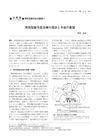
 Finasteride and minoxidil are the main effective treatments for hair loss from androgenetic alopecia.
 April 2008 in “Blackwell Publishing Ltd eBooks”
 AGA causes permanent hair loss; minoxidil helps men, finasteride helps men, minoxidil somewhat helps women, estrogens/antiandrogens lack evidence for women.
 January 2007 in “Revista del Centro Dermatológico Pascua”
 Hair loss in women, often not related to male hormones, increases with age and can cause significant emotional distress.
January 2004 in “Medicine Today” Topical minoxidil helps hair regrowth in over 50% of men and women.

Male androgenetic alopecia (MAA) is a common, hereditary hair loss condition in men, linked to heart disease, and can be treated with minoxidil, finasteride, or hair transplantation.
 June 1996 in “Archives of Dermatology”
 Minoxidil, tretinoin, and finasteride may help hair regrowth in mild to moderate androgenetic alopecia.
 26 citations
,
January 2019 in “Expert Opinion on Investigational Drugs”
26 citations
,
January 2019 in “Expert Opinion on Investigational Drugs” New treatments for hair loss show promise, but more research is needed to confirm their safety and effectiveness.
Iron supplements may reverse premature graying in iron-deficient individuals; ingrown nails are common in diabetics with certain risk factors; topical finasteride may reduce scalp DHT as effectively as oral finasteride; monilethrix treatment is challenging but some medications can help.
 35 citations
,
May 2012 in “Expert Opinion on Pharmacotherapy”
35 citations
,
May 2012 in “Expert Opinion on Pharmacotherapy” The document concludes that there are various treatments for different types of alopecia, but more research is needed for evidence-based treatments.
 15 citations
,
July 2020 in “Dermatologic Therapy”
15 citations
,
July 2020 in “Dermatologic Therapy” FPHL is common in women, influenced by genetics and hormones, and can be treated with medications, laser therapy, or hair transplantation.
July 2026 in “Journal of the American Academy of Dermatology” CRT is more effective than oral minoxidil alone for treating hair loss.
 February 2024 in “Cosmoderma”
 Low-dose oral minoxidil can help treat male and female pattern hair loss, especially in those who can't use topical treatments or have heart health issues.
 July 2023 in “Journal of Drug Delivery Science and Technology”
 Finasteride niosomes were developed and found to be effective in treating hair loss, with better results than commercial minoxidil, and could be a promising topical treatment for hair loss.

Topical minoxidil 5% is the most effective treatment for male hair loss, but other therapies show promise.
21 citations
,
March 2005 in “PubMed” Topical minoxidil and finasteride help treat male baldness, while women benefit from antiandrogens and minoxidil.
September 2008 in “Evidencia actualizacion en la práctica ambulatoria” Topical minoxidil and oral finasteride are the best treatments for androgenetic alopecia.
 March 2006 in “Archives of Dermatology”
 Topical steroids help Erosive Lichen Planus, finasteride with birth control aids Female Pattern Hair Loss, young age helps Occupational Hand Eczema prognosis, quitting smoking is key for Diffuse Dermal Angiomatosis, and a 3-site Botulinum Toxin A injection is effective for glabellar wrinkles.
Topical minoxidil and oral finasteride are effective treatments for androgenetic alopecia.
 8 citations
,
January 2013 in “Journal of The Korean Medical Association”
8 citations
,
January 2013 in “Journal of The Korean Medical Association” Korean hair is typically thicker with a slower growth rate, and treatments like Dutasteride are effective for male pattern hair loss without major side effects.