 January 2025 in “Advances in Dermatology and Allergology”
 Micro-needling helps deliver substances deeper into the skin and promotes skin repair.
 November 2024 in “International Journal of Research and Review”
 Nanotechnology improves cosmetics by enhancing ingredient delivery and effectiveness.
 February 2024 in “Journal of Education, Health and Sport”
 Exosomes can help repair and heal tissues, improving health and vitality.

N793 may improve hair density in people with mild hair thinning.
 November 2023 in “Global journal of medical research”
 Understanding the properties of hyaluronic acid helps improve its use in facial aging treatments.
 May 2023 in “Current Medicinal Chemistry”
 Microneedle patches improve drug delivery for skin treatments and cosmetic enhancements.
 December 2022 in “The Journal of Cosmetic Medicine”
 Hairline-lowering surgery effectively reduces a high hairline with immediate, noticeable results.
 February 2022 in “International Journal of Complementary & Alternative Medicine”
 Good hair and scalp health indicate good overall health.
 January 2020 in “Journal of Pharmacognosy and Phytochemistry”
 The VCO-based herbal hair tonic is effective, safe for hair loss treatment, and can be mass-produced.
 August 2018 in “Journal of the American Academy of Dermatology”
 A new cosmetic cream reduced facial redness and skin temperature after 4 weeks of use.
 March 2018 in “Surgical and Radiologic Anatomy”
 High-resolution imaging is crucial for diagnosing and planning treatments in clinical anatomy and aging.
Tailored nonsurgical cosmetic procedures are crucial for safely treating diverse skin types, especially skin of color.
 January 2018 in “Stem cells in clinical applications”
 Exosomes show promise for tissue repair and regeneration with advantages over traditional cell therapies.
 January 2017 in “Lasers in Surgery and Medicine”
 The 2017 issue emphasized progress in laser and energy-based skin treatments, but noted the need for more research on certain procedures and technologies.
 September 2016 in “Annals of occupational and environmental medicine”
 Cleanroom workers in a battery factory have worse skin and eye conditions due to the very dry environment.
 January 2016 in “Georg Thieme Verlag eBooks”
 More East Asians are accepting and getting facial plastic surgery, with a focus on natural-looking results and using both surgical and nonsurgical methods.
 June 2015 in “Biomedical and biopharmaceutical research”
 The congress showed advancements in skin hydration, barrier function, and safe, effective new cosmetic formulations.
 May 2013 in “Springer eBooks”
 Skin problems in the elderly are unique and may indicate other diseases, involving changes in skin, hair, nails, and increased cancer risk.
 September 2009 in “Pediatric Dermatology”
 UVB is good for a skin condition in Asian kids, a lotion works for head lice, a drug helps with a skin blistering disorder, a foam reduces itchiness in skin inflammation, birthmarks can be more widespread, and criteria for a neurocutaneous disorder were agreed upon.
 April 2003 in “Journal of Cutaneous Medicine and Surgery”
 Lasers are effective for some skin conditions but can cause side effects like scarring and pigment changes; careful selection is important, and botulinum toxin type A is successful in reducing sweat in palmar hyperhidrosis.
 July 2002 in “Dermatologic Surgery”
 Understanding the scalp's five-layer structure is crucial for better surgical outcomes and fewer complications.
 May 2002 in “British Journal of Dermatology”
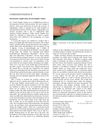
 A pregnant woman's skin condition improved after giving birth, possibly due to high estrogen levels during pregnancy.

Abortion access should be defended on public health grounds, and medical evaluations are crucial in psychiatric cases to avoid misdiagnosis.

Both books are valuable resources in their fields.

The document reviewed various health-related books, focusing on abortion debates, medical conditions, and effective health communication.
 May 2002 in “British Journal of Dermatology”
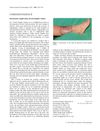
 Hair loss caused by longer latent hair cycle and sudden miniaturization, not gradual follicle size reduction.
 1 citations
,
October 2017 in “Dermatologic Clinics”
1 citations
,
October 2017 in “Dermatologic Clinics” Men are increasingly using energy-based skin treatments for workplace success, with lasers and other devices effectively improving skin and body appearance.
 February 2025 in “Intisari Sains Medis”
 PDRN from salmon may slow skin aging by improving skin quality and reducing inflammation.
 June 2021 in “Journal of emerging technologies and innovative research”
 Onion and Aloe vera can help protect hair from damage caused by hair dyes.
 1 citations
,
February 1988 in “The BMJ”
1 citations
,
February 1988 in “The BMJ” The document explains different hair and scalp conditions, including common hair loss after pregnancy or illness, drug-induced hair loss, hereditary excessive hair growth, patterned baldness, autoimmune hair loss, and permanent loss due to skin disease, with generally limited treatment options.