7 citations
,
March 2023 in “Lasers in Surgery and Medicine” Ablative fractional laser treatment nearly matches the gene reduction effects of topical vismodegib in skin cancer.
30 citations
,
December 2009 in “The FASEB Journal” Fluphenazine and iloprost can induce hair growth.
 130 citations
,
February 2018 in “Journal of Investigative Dermatology”
130 citations
,
February 2018 in “Journal of Investigative Dermatology” Tofacitinib may help treat severe hair loss, but more research is needed.
24 citations
,
January 2014 in “PubMed” Imiquimod cream 5% effectively treated generalized discoid lupus erythematosus.
1 citations
,
July 2024 in “Journal of Investigative Dermatology” VYN201 shows promise as a safe and effective treatment for non-segmental vitiligo.
October 2025 in “Clinical and Experimental Dermatology” Fibrosing alopecia can be stabilized or improved with anti-inflammatory treatments and hair growth agents.
 October 2024 in “JEADV Clinical Practice”
 UK dermatologists commonly use corticosteroids and minoxidil to treat hair loss conditions.
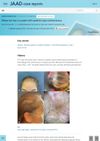 August 2023 in “JAAD Case Reports”
 A woman with lupus experienced hair regrowth after treatment, but hair transplantation is not advised for her condition.
 1 citations
,
March 2025 in “Frontiers in Physiology”
1 citations
,
March 2025 in “Frontiers in Physiology” Methotrexate, resveratrol, and curcumin may help treat alopecia areata by targeting immune cells.
Using regulatory T cells and Rapamycin together improves chronic graft-versus-host disease treatment outcomes in mice.
 May 2025 in “Journal of Pharmacy And Bioallied Sciences”
 Tofacitinib effectively promotes hair regrowth in children with alopecia areata, but more research on long-term safety is needed.
Fractional CO2 laser is more effective and safer than steroid injections for treating alopecia areata.
 July 2022 in “http://isrctn.com/”
 Adding a cosmetic gel with caffeine, taurine, and growth factors to standard hair loss treatments could improve results.
2 citations
,
February 2021 in “Indian Dermatology Online Journal” Imatinib can cause hair loss due to lichen planopilaris.

Tofacitinib effectively regrows hair in alopecia universalis triggered by a virus.
 February 2025 in “PubMed”
 CS12192 effectively treats alopecia areata with better safety than current options.
 9 citations
,
December 2023 in “Journal of Neuroimmune Pharmacology”
9 citations
,
December 2023 in “Journal of Neuroimmune Pharmacology” NDP-MSH protects brain cells and reduces inflammation in Parkinson's disease by activating MC1R and involving Tregs.
March 2026 in “Skin Appendage Disorders” Belatacept may be a promising treatment for alopecia areata.
 July 2018 in “British Journal of Dermatology”
 Hair regrowth was seen in 83% of children with alopecia, immune system plays a role in the condition, and various treatments showed effectiveness for hair and nail disorders.
 September 2024 in “Indian Journal of Dermatology Venereology and Leprology”
 Mesotherapy with bicalutamide has limited effectiveness for female hair loss.
October 2024 in “BMJ Case Reports” Baricitinib effectively treats both rheumatoid arthritis and alopecia areata.
 2 citations
,
April 2019 in “Dermatologic Therapy”
2 citations
,
April 2019 in “Dermatologic Therapy” A patient with alopecia had hair regrowth with tofacitinib but developed a skin reaction, choosing to continue the treatment despite the side effect.
 9 citations
,
August 2014 in “Journal of The American Academy of Dermatology”
9 citations
,
August 2014 in “Journal of The American Academy of Dermatology” Hormonal imbalances may play a role in frontal fibrosing alopecia, and antiandrogenic drugs combined with steroids are currently the most effective treatment.
51 citations
,
May 2004 in “American journal of ophthalmology” Using topical prostaglandin F2α for glaucoma may cause loss of eyelash or eyebrow pigment.
 August 2024 in “JAMA Dermatology”
 Continuous baricitinib is needed to keep hair regrowth in severe alopecia areata.
 6 citations
,
November 2022 in “Journal of autoimmunity”
6 citations
,
November 2022 in “Journal of autoimmunity” JAK inhibitors like tofacitinib may effectively treat Alopecia Areata.
10 citations
,
August 2019 in “European Journal of Dermatology” The document did not conclude on apremilast's effectiveness for severe alopecia areata.
January 2020 in “프로그램북(구 초록집)” The treatment increased hair growth and thickness in patients with hair loss.
 January 2023 in “National Journal of Physiology, Pharmacy and Pharmacology”
 Tofacitinib effectively reduced hair loss in alopecia areata patients without adverse effects.
 4 citations
,
May 2021 in “Biomedicines”
4 citations
,
May 2021 in “Biomedicines” Targeting the protein Caveolin-1 might help treat a type of scarring hair loss called Frontal Fibrosing Alopecia.