Search
for
Sort by
Research
90-120 / 1000+ resultsresearch Systemic Tofacitinib in Alopecia Areata: A Single Center Retrospective Descriptive Cohort Study
Tofacitinib effectively regrows hair in alopecia areata patients, especially in younger individuals, with manageable side effects.
research Therapeutic Updates on Lichen planopilaris and Frontal Fibrosing Alopecia: A Systematic Review
Antimalarial agents are effective for LPP, and intralesional steroids are effective for FFA.
research Lenalidomide Augments Differentiation of Cultured Hair Follicle Derived Melanocyte Stem Cells Into Functional Melanocytes
Lenalidomide helps hair follicle stem cells turn into melanocytes, which may improve repigmentation in vitiligo.
research Repigmentation of hair following adalimumab therapy
A patient's grey hair regained color during treatment with adalimumab.
research Could baricitinib treat frontal fibrosing alopecia and facial papules?
Baricitinib may help treat frontal fibrosing alopecia and facial papules.
research Medical therapy for frontal fibrosing alopecia: A review and clinical approach
Some treatments like intralesional steroids and 5α-reductase inhibitors are effective for frontal fibrosing alopecia, but more research is needed.

research LB943 Tofacitinib treatment of inflammatory skin conditions in patients with Down Syndrome
Tofacitinib helps improve skin conditions in people with Down syndrome, especially alopecia areata.
research A Pilot Randomized Controlled Trial Comparing the Efficacy and Safety of Oral Tofacitinib Versus Methotrexate In Moderate-to-Severe Alopecia Areata
Tofacitinib may work better than methotrexate for treating moderate-to-severe alopecia areata.
research Efficacy and safety of JAK inhibitors in treating lichen planopilaris or frontal fibrosing alopecia
JAK inhibitors may effectively treat lichen planopilaris and frontal fibrosing alopecia with minimal side effects.
research Repurposing With Purpose: Treatment of Bachmann–Bupp Syndrome With Eflornithine and Implications for Other Polyaminopathies
Eflornithine improved symptoms in Bachmann–Bupp Syndrome patients.
research Folliculotropic Mycosis Fungoides: Update on Diagnosis, Clinicopathological Stage, and Management
Folliculotropic Mycosis Fungoides requires stage-based treatment, with early stages using skin therapies and advanced stages needing aggressive treatments.
research Les Rencontres d’Experts du Psoriasis : des recommandations pour la pratique quotidienne
Tofacitinib shows promise for treating severe alopecia areata with good safety and effectiveness.
research Immunosuppressive treatment for proliferative lupus nephritis
Mycophenolate mofetil may improve lupus nephritis remission more than cyclophosphamide but with uncertain safety.
research Alopecia universalis unresponsive to treatment with tofacinitib: report of a case with a brief review of the literature
Tofacitinib helped psoriasis but not alopecia universalis, needing more research.
research Autophagy Stimulation Improves Erythroid Proliferative Capacity in Models of SF3B1 Mutant MDS
Tofacitinib helped most teenagers in the study regrow hair with mild side effects.

research 311 Single-cell transcriptomics reveals distinct molecular programs in folliculotropic mycosis fungoides
Folliculotropic mycosis fungoides has unique molecular features and cell interactions that could guide targeted therapy.
research Efficacy and Safety of Combination 308-nm Excimer Laser and Intralesional Corticosteroid versus Intralesional Corticosteroid Monotherapy in the Treatment of Frontal Fibrosing Alopecia: A Pilot Study
Combining laser and corticosteroid is not better than corticosteroid alone for treating frontal fibrosing alopecia.
research 15460 Perifollicular pink halo: A potential dermoscopic marker of inflammation in central centrifugal cicatricial alopecia
Certain immune markers may predict chemotherapy response in mesothelioma, and nivolumab is a tolerable and effective treatment for advanced non-small cell lung cancer.
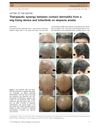
research Therapeutic synergy between contact dermatitis from a wig‐fixing device and tofacitinib on alopecia areata
A man's hair regrew from alopecia areata after using tofacitinib and experiencing contact dermatitis from a wig device.
research A Case of Tofacitinib for the Treatment of Resistant Vitiligo and Sustained Repigmentation After Discontinuation
A woman's vitiligo improved with tofacitinib treatment, and her skin color remained even after stopping the medication, but there are concerns about cancer risk.
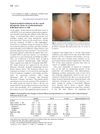
research Topical tacalcitol ointment can be a good therapeutic choice in erythromelanosis follicularis faciei et colli
Topical tacalcitol ointment can help improve symptoms of EFFC.
research A Case of Vitiligo Combined with Systemic Lupus Erythematosus Treated with Tofacitinib
Tofacitinib successfully treated vitiligo in a patient with lupus without side effects.
research 491 Efficacy of oral tofacitinib in the treatment of lichen planopilaris
Oral tofacitinib significantly improves lichen planopilaris symptoms without adverse effects.

research Alopecia secondary to severe discoid lupus responding to anifrolumab
Anifrolumab significantly improved skin lesions and hair regrowth in severe discoid lupus.
research Frontal Fibrosing Alopecia Successfully Treated with Intralesional Betamethasone and Oral Hydroxychloroquine: A Case Report
Intralesional betamethasone and oral hydroxychloroquine improved hair loss in a woman with frontal fibrosing alopecia.
research Diagnostic and Therapeutic Assessment of Frontal Fibrosing Alopecia
The document concludes that there are no reliable treatments for frontal fibrosing alopecia, with only temporary benefits from current options.
research Clinical experiences on alopecia areata treatment with tofacitinib: A study of 63 patients
Tofacitinib is effective and safe for long-term treatment of severe alopecia areata, with many patients achieving complete hair regrowth.

research Trachyonychia secondary to pediatric alopecia areata responding to oral tofacitinib therapy: a case report and review of literature
Tofacitinib improved hair and nail conditions in a teen with alopecia areata.
research Refractory alopecia in lupus treated with tofacitinib — a case-based review
Tofacitinib helped regrow hair in a lupus patient with alopecia.