 January 2024 in “Archives of pharmacy practice”
 The skin is vital for protection, temperature control, fluid balance, immunity, and sensing, with damage affecting daily life and mental health.
 77 citations
,
July 2020 in “Journal of the European Academy of Dermatology and Venereology”
77 citations
,
July 2020 in “Journal of the European Academy of Dermatology and Venereology” Environmental factors, hormones, nutrition, and stress all significantly affect skin health and aging.
 4 citations
,
January 2015 in “Endocrinology & metabolic syndrome”
4 citations
,
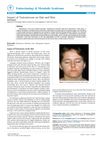
January 2015 in “Endocrinology & metabolic syndrome” Testosterone can cause acne and male-pattern baldness, affects hair growth in men and women, and makes male skin more sensitive.
 62 citations
,
October 2010 in “Journal of biomedical nanotechnology”
62 citations
,
October 2010 in “Journal of biomedical nanotechnology” Nanoparticles can enter the skin, potentially causing toxicity, especially in damaged skin.
 December 2025 in “GeroScience”
 Genetics, epigenetics, and lifestyle all influence facial skin aging.
 141 citations
,
January 1984 in “Journal of The American Academy of Dermatology”
141 citations
,
January 1984 in “Journal of The American Academy of Dermatology” Pregnancy can cause skin darkening, varicose veins, more sweating, hair growth, hair loss after birth, nail changes, and gum inflammation.
 96 citations
,
January 1997 in “Clinics in Dermatology”
96 citations
,
January 1997 in “Clinics in Dermatology” Pregnancy can cause skin pigmentation, stretch marks, and changes in hair, nails, and sweat glands, with most resolving after birth.
 64 citations
,
June 1992 in “International Journal of Dermatology”
64 citations
,
June 1992 in “International Journal of Dermatology” Pregnancy often causes skin changes like darkening, stretch marks, and hair growth, which may improve after childbirth.
 49 citations
,
January 2018 in “Theranostics”
49 citations
,
January 2018 in “Theranostics” The new skin patch with human matrix and antibiotic improves wound healing.
 47 citations
,
May 2002 in “Journal of Cutaneous Medicine and Surgery”
47 citations
,
May 2002 in “Journal of Cutaneous Medicine and Surgery” Pregnancy can cause normal skin changes that usually go away after childbirth and don't need treatment.
 46 citations
,
July 1988 in “Journal of The American Academy of Dermatology”
46 citations
,
July 1988 in “Journal of The American Academy of Dermatology” Hormone imbalances can cause specific skin changes, which may help in early detection of endocrine disorders.
 31 citations
,
September 2014 in “Journal of Pharmaceutical Sciences”
31 citations
,
September 2014 in “Journal of Pharmaceutical Sciences” Using a special laser can improve how well hair loss treatments get into the skin and hair follicles.
 24 citations
,
November 1974 in “Scottish medical journal”
24 citations
,
November 1974 in “Scottish medical journal” Diabetes often causes various skin problems and complications.
 16 citations
,
December 2018 in “ACS Biomaterials Science & Engineering”
16 citations
,
December 2018 in “ACS Biomaterials Science & Engineering” The new patch made of cell matrix and a polymer improves wound healing and supports blood vessel growth.
 1 citations
,
January 2013 in “Springer eBooks”
1 citations
,
January 2013 in “Springer eBooks” The document concludes that skin and nail changes can indicate various underlying health conditions.
 January 2026 in “Dermatology Practical & Conceptual”
 Exosomes can improve skin elasticity, reduce wrinkles, and enhance hydration, but more research is needed.
 January 2025 in “Dermatology Review”
 Artefactual skin disorder involves self-inflicted skin lesions linked to mental health issues, needing combined medical and psychological treatment.

There is no cure for myotonic dystrophy type 1, so treatment focuses on managing symptoms and complications.
 85 citations
,
May 2001 in “International Journal of Dermatology”
85 citations
,
May 2001 in “International Journal of Dermatology” Skin diseases differ between Ghana and the UK, with infections most common in Ghana and malignant skin diseases most prevalent in the UK.
 27 citations
,
July 2015 in “International Journal of Dermatology”
27 citations
,
July 2015 in “International Journal of Dermatology” Every elderly patient had at least one skin condition, often linked to other diseases, highlighting the need for integrated skin and general healthcare in the elderly.
 7 citations
,
June 2015 in “Cutaneous and Ocular Toxicology”
7 citations
,
June 2015 in “Cutaneous and Ocular Toxicology” Some drugs can cause skin reactions, which may improve when the drug is stopped, and rapid diagnosis and stopping the drug is crucial.
 5 citations
,
October 2014 in “Journal of cosmetic and laser therapy”
5 citations
,
October 2014 in “Journal of cosmetic and laser therapy” Combining physical dermabrasion with chemical peeling is more effective for skin treatment than chemical peeling alone.
 405 citations
,
May 2007 in “Journal of The American Academy of Dermatology”
405 citations
,
May 2007 in “Journal of The American Academy of Dermatology” Obesity affects skin health, causing conditions like acanthosis nigricans and may require different treatment approaches.
 2 citations
,
July 2020 in “Journal of Applied Pharmaceutical Science”
2 citations
,
July 2020 in “Journal of Applied Pharmaceutical Science” Natural ingredients can improve skin and hair, but more research is needed.

Exosomes show promise for skin treatments but need more research and regulation in India.
 December 2025 in “Journal of Education Health and Sport”
 LED therapy is safe and effective for improving skin health and appearance.
 April 2016 in “The journal of investigative dermatology/Journal of investigative dermatology”
 BMP signaling controls hair growth and skin color.
 78 citations
,
September 2008 in “International Journal of Cosmetic Science”
78 citations
,
September 2008 in “International Journal of Cosmetic Science” The document concludes that various clinical methods are used to assess ageing skin and the effectiveness of anti-ageing products.
 17 citations
,
December 2015 in “International Journal of Cosmetic Science”
17 citations
,
December 2015 in “International Journal of Cosmetic Science” Visible light can improve skin disorders and hair loss, but more research is needed to understand long-term effects.
 1 citations
,
June 2023 in “Biomolecules & therapeutics”
1 citations
,
June 2023 in “Biomolecules & therapeutics” Nitric oxide is important for skin functions and both helps protect against and contributes to skin inflammation and sensitization.