 4 citations
,
April 1999 in “Dermatologic Clinics”
4 citations
,
April 1999 in “Dermatologic Clinics” Long-pulsed ruby lasers effectively reduce hair for up to 2 years with minimal pain.
 July 2002 in “Dermatologic Surgery”
 Some people's hair turned white or gray after using intense pulsed light for hair removal, and for some, it was permanent.
 January 2019 in “The Review of Laser Engineering”
 Multiphoton excitation microscopy is a promising tool for deep tissue imaging and clinical applications.
 March 2026 in “Quality in Sport”
 Red light therapy can boost athletic performance and aid healing.
October 2013 in “CRC Press eBooks” Low-level light therapy is used in cosmetics and dermatology to repair skin, reduce inflammation, and treat various skin conditions.
 31 citations
,
April 1999 in “Dermatologic Clinics”
31 citations
,
April 1999 in “Dermatologic Clinics” Nd:YAG laser can reduce hair with multiple treatments, but permanent removal isn't guaranteed.
 6 citations
,
April 2012 in “Lasers in surgery and medicine”
6 citations
,
April 2012 in “Lasers in surgery and medicine” Laser hair removal can cause a severe itchy rash in some allergic individuals, treatable with steroids.
 February 2019 in “Journal of Pakistan Association of Dermatologists”
 Combining eflornithine cream with IPL is more effective for removing unwanted facial hair in women.
 4 citations
,
March 2013 in “InTech eBooks”
4 citations
,
March 2013 in “InTech eBooks” Confocal Laser Scanning Microscopy (CLSM) is a useful tool for studying how drugs interact with skin and diagnosing skin disorders, despite some limitations.
 July 2018 in “Journal of The American Academy of Dermatology”
 Fluorescent tattoos are a good way to mark the scalp for hair treatments because they're accurate, invisible in normal light, and have low risk.
 October 2022 in “Journal of Pharmaceutical Negative Results”
 Photobiomodulation therapy shows promise in treating various health conditions by using specific light wavelengths.
January 2024 in “Defence life science journal” Light therapy can help heal soft tissue injuries and reduce pain and inflammation.
 September 2025 in “International Journal of Innovative Technologies in Social Science”
 Red light therapy may help rejuvenate skin and regrow hair.
27 citations
,
July 2013 in “The journal of investigative dermatology/Journal of investigative dermatology” Lasers have become precise tools in skin treatment and diagnosis, with ongoing advancements improving their effectiveness.
 178 citations
,
August 2016 in “Advances in wound care”
178 citations
,
August 2016 in “Advances in wound care” New effective scar treatments are urgently needed due to the current options' limited success.
 134 citations
,
September 2008 in “Lasers in surgery and medicine”
134 citations
,
September 2008 in “Lasers in surgery and medicine” Low fluence photoepilation temporarily removes hair by targeting the hair follicle's pigmented area without severe damage.
 67 citations
,
October 1997 in “Dermatologic Surgery”
67 citations
,
October 1997 in “Dermatologic Surgery” The EpiLight Hair Removal System removed about 60% of hair with some side effects, and more research is needed to confirm long-term effectiveness.
 49 citations
,
August 2007 in “Dermatologic surgery”
49 citations
,
August 2007 in “Dermatologic surgery” New treatments for acne scars are safer and more effective because we understand the causes better.
 48 citations
,
March 2019 in “Frontiers in Physiology”
48 citations
,
March 2019 in “Frontiers in Physiology” Wounds on the face usually heal with scars, but understanding how some wounds heal without scars could lead to better treatments.
 30 citations
,
May 2014 in “American Journal of Clinical Dermatology”
30 citations
,
May 2014 in “American Journal of Clinical Dermatology” The conclusion is that better understanding and more research are needed to effectively manage follicular and scarring disorders in skin of color, with an emphasis on patient education and cultural awareness.
 23 citations
,
April 1999 in “Dermatologic Clinics”
23 citations
,
April 1999 in “Dermatologic Clinics” Pulsed-intense light can significantly reduce hair, with effectiveness depending on treatment number and timing, and has mild side effects.
 22 citations
,
September 2004 in “Journal of The European Academy of Dermatology and Venereology”
22 citations
,
September 2004 in “Journal of The European Academy of Dermatology and Venereology” Bimatoprost can cause longer, thicker, darker eyelashes and eyebrows.
 20 citations
,
April 1999 in “British journal of plastic surgery”
20 citations
,
April 1999 in “British journal of plastic surgery” Ruby laser hair removal significantly reduces hair density.
 10 citations
,
February 2022 in “JMIR Dermatology”
10 citations
,
February 2022 in “JMIR Dermatology” People with Down syndrome often have skin issues and need regular check-ups for early treatment.
 10 citations
,
July 2011 in “Wound Repair and Regeneration”
10 citations
,
July 2011 in “Wound Repair and Regeneration” New antiscarring strategies show promise, including drugs, stem cells, and improved surgical techniques.
 10 citations
,
January 2007 in “Journal of cosmetic and laser therapy”
10 citations
,
January 2007 in “Journal of cosmetic and laser therapy” The IPL device is safe, effective, and has high patient satisfaction for hair removal.
 8 citations
,
November 1990 in “Archives of Dermatology”
8 citations
,
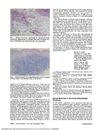
November 1990 in “Archives of Dermatology” A woman with EMS showed unusual skin mucinosis without the typical hard skin syndrome, suggesting EMS can cause skin mucinosis.
 7 citations
,
April 2011 in “Expert review of dermatology”
7 citations
,
April 2011 in “Expert review of dermatology” The document concludes that patients with skin of color need specialized dermatological care and education to manage unique skin conditions effectively.
 5 citations
,
June 2012 in “Journal of Cosmetic and Laser Therapy”
5 citations
,
June 2012 in “Journal of Cosmetic and Laser Therapy” Finasteride and intense pulsed light effectively reduce unwanted facial hair in women, but may not be cost-effective.
 4 citations
,
June 2013 in “Aesthetic Plastic Surgery”
4 citations
,
June 2013 in “Aesthetic Plastic Surgery” Minoxidil improved rat skin flap survival but was less effective than surgical methods.