
Use the least toxic, most specific treatments for skin diseases, considering side effects and individual patient needs.
 January 2009 in “Side effects of drugs annual”
 Some blood-thinning medications can increase the risk of bleeding, and certain factors like genetics and other health conditions affect their safety and effectiveness.
 April 2005 in “Dermatologic Clinics”
 The document summarizes recent dermatological treatments and advances in areas like pediatric care, wound healing, skin closure, light-based therapies, pigment disorders, hair loss, immunotherapy, infection management, melanoma, drug reactions, and facial rejuvenation.
 41 citations
,
December 2008 in “Journal of the American Academy of Dermatology”
41 citations
,
December 2008 in “Journal of the American Academy of Dermatology” Oral valganciclovir improved a patient's skin condition caused by immunosuppression.
 6 citations
,
July 2006 in “International Journal of Dermatology”
6 citations
,
July 2006 in “International Journal of Dermatology” Football players can get many skin conditions from their sport, which need different treatments and can be prevented with good hygiene and protection.
 November 2025 in “Open Repository of the University of Porto (University of Porto)”
 Continuous use of finasteride and minoxidil is effective for treating androgenetic alopecia.
 March 2024 in “International Journal of Drug Delivery Technology”
 Electrospun nanofiber mats are effective drug carriers for improving wound healing.
 September 2018 in “Open Repository of the University of Porto (University of Porto)”
 The internship highlighted the pharmacist's important role in health education and community engagement.
![Patent Evaluation: Hexahydrobenzo[f]quinolines as 5α-Reductase Inhibitors](/images/assets/1634373b-f615-46c7-a157-21394e3366be/small/21095.jpg) June 1993 in “Current opinion in therapeutic patents”
June 1993 in “Current opinion in therapeutic patents” Hexahydrobenzo[f]quinolines are effective at blocking the enzyme 5α-reductase.

A spayed dog with vaginal bone structures causing infection was successfully treated by removing the bones and administering medication.
 May 2023 in “Authorea (Authorea)”
 Levofloxacin may cause skin discoloration and hair loss as side effects.
September 2015 in “Photodiagnosis and Photodynamic Therapy” October 1977 in “Munich Personal RePEc Archive (Ludwig Maximilian University of Munich)” Mefloquine was generally safe at 500 mg weekly, but higher doses caused nausea and diarrhea.
January 2012 in “Chinese Clinical Oncology” Disodium folinate can safely and effectively replace calcium folinate in colorectal cancer treatment.
 April 2016 in “Journal of Investigative Dermatology”
 Mefloquine, an antimalarial drug, is effective in killing melanoma cells resistant to other treatments by causing lethal stress in the cells.
1 citations
,
July 2016 in “Dermatologic surgery” 32 citations
,
February 1993 in “British Journal of Clinical Pharmacology” Measuring OPC-17116 in hair can reliably indicate drug exposure and timing.
 89 citations
,
February 1993 in “Journal of Medicinal Chemistry”
89 citations
,
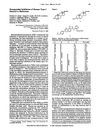
February 1993 in “Journal of Medicinal Chemistry” New compounds called benzoquinolinones may treat conditions linked to excess DHT.
 6 citations
,
November 1996 in “Archives of Dermatology”
6 citations
,
November 1996 in “Archives of Dermatology” A man's relapsed leprosy was successfully treated with the antibiotic sparfloxacin.
March 2014 in “Oxford University Press eBooks” Fludalanine failed as an effective oral antibiotic despite efforts.
99 citations
,
June 2011 in “Journal of biomedical materials research. Part A” Keratin hydrogels can slowly release effective ciprofloxacin to prevent infections.

Flubendazole in a nanoemulsion can potentially treat lung cancer and cryptococcal meningitis effectively and safely.
![Synthesis and Activity of 8-Substituted Benzo[c]quinolizin-3-ones as Dual Inhibitors of Human 5α-Reductases 1 and 2](/images/assets/efc54340-66d6-4f27-9930-045ac023f903/small/15248.jpg) 9 citations
,
November 2004 in “Bioorganic & Medicinal Chemistry Letters”
9 citations
,
November 2004 in “Bioorganic & Medicinal Chemistry Letters” New compounds were made that effectively block enzymes related to prostate issues and hair loss.
 8 citations
,
July 2011 in “Critical reviews in analytical chemistry”
8 citations
,
July 2011 in “Critical reviews in analytical chemistry” The document concludes that validated methods are needed to ensure the quality of fluconazole drugs and that new antifungal medications are necessary due to safety and resistance concerns.
June 2016 in “Indian Journal of Pharmacy Practice” Stopping fluvoxamine can reverse hair loss caused by the drug.
 44 citations
,
April 2011 in “Critical reviews in analytical chemistry”
44 citations
,
April 2011 in “Critical reviews in analytical chemistry” Fluconazole is an effective antifungal medication with potential side effects and lacks official analytical methods for its determination.

Doxycycline or flucloxacillin can cause a rare, severe skin reaction that can be fatal, especially in the elderly.
![The Synthesis of (−)-4-Methyl-8-Chloro-Trans-1,2,3,4,4a,5,6,10b-Octahydrobenzo-[f]-Quinolin-3-One-[3-14C] (LY300502-14C) via a Circuitous Route](/images/assets/73bab8dc-bdf0-45e3-8ef7-73d0d4b93cb1/small/21074.jpg) 3 citations
,
October 1994 in “Journal of Labelled Compounds and Radiopharmaceuticals”
3 citations
,
October 1994 in “Journal of Labelled Compounds and Radiopharmaceuticals” Scientists made a carbon-14 labeled version of a drug with a 48% yield and over 99% purity.
 February 2024 in “Curēus”
 Topical 5-Fluorouracil can rarely cause nerve damage, especially in people with a certain genetic deficiency.