 9 citations
,
August 2018 in “Journal der Deutschen Dermatologischen Gesellschaft”
9 citations
,
August 2018 in “Journal der Deutschen Dermatologischen Gesellschaft” Most patients with frontal fibrosing alopecia are middle-aged women, often have thyroid disease, and some treatments can help stabilize the condition.
 31 citations
,
September 2013 in “Stem Cells”
31 citations
,
September 2013 in “Stem Cells” Smad1 and Smad5 are essential for hair follicle development and stem cell sleepiness.
18 citations
,
February 2018 in “Journal of the American Academy of Dermatology” The document suggests a possible link between frontal fibrosing alopecia and rosacea.
June 2020 in “International Journal of Women’s Dermatology” Early diagnosis and treatment of frontal fibrosing alopecia are crucial for preserving hair and reducing inflammation.
 8 citations
,
December 2020 in “Skin appendage disorders”
8 citations
,
December 2020 in “Skin appendage disorders” Low-dose oral minoxidil helped regrow eyebrows in women with Frontal Fibrosing Alopecia.
1 citations
,
August 2018 in “Journal of the American Academy of Dermatology” A young woman developed facial bumps before hair loss, which is unusual for her condition.
 21 citations
,
October 2017 in “Journal of the European Academy of Dermatology and Venereology”
21 citations
,
October 2017 in “Journal of the European Academy of Dermatology and Venereology” Various potential triggers may be causing the rise in frontal fibrosing alopecia, and avoiding these could help stop the disease's increase.
17 citations
,
June 2022 in “Frontiers in Nutrition” Fermented mushroom extract reduces intestinal inflammation in mice.
33 citations
,
September 2020 in “Current Rheumatology Reports” Targeting adipocyte-to-mesenchymal transition could help treat fibrosis.
14 citations
,
January 2014 in “Indian Journal of Dermatology Venereology and Leprology” Frontal fibrosing alopecia can affect men's beards and leads to permanent hair loss.
 April 2016 in “Journal of Investigative Dermatology”
 Mefloquine, an antimalarial drug, is effective in killing melanoma cells resistant to other treatments by causing lethal stress in the cells.
 67 citations
,
August 2007 in “American Journal of Pathology”
67 citations
,
August 2007 in “American Journal of Pathology” Overexpressing the mineralocorticoid receptor in mouse skin causes skin thinning, early skin barrier development, eye issues, and hair loss.
33 citations
,
July 2007 in “Journal of cell science” Miz1 is essential for proper hair structure and growth.
Editing the FGF5 gene in sheep increases fine wool growth.
 July 2024 in “Iranian journal of pathology”
 Frontal fibrosing alopecia mainly affects women over 50, causing hair loss and specific skin changes.
 September 2025 in “Journal of the American Academy of Dermatology”
 Reducing SFRP1 can promote hair growth and may help treat hair loss.
5 citations
,
February 2016 in “Sultan Qaboos University medical journal” The patient had a severe itchy rash and hair loss in the armpits.
 April 2018 in “Journal of Investigative Dermatology”
 Stabilizing HIF1A in hair follicles increases glycolysis, which may help reduce oxidative stress and support hair growth.
 5 citations
,
August 2019 in “iScience”
5 citations
,
August 2019 in “iScience” Deleting the Trf1 protein in mice is safe and may help prevent cancer without major side effects.
 June 2023 in “Brazilian Journal of Case Reports”
 Botulinum Toxin Type A delivered through the skin may be a promising treatment for Frontal Fibrosing Alopecia.
39 citations
,
July 1993 in “The journal of investigative dermatology/Journal of investigative dermatology” FGF and EGF are crucial for hair follicle development and growth.
 March 2025 in “International Journal of Trichology”
 FAPD in children may not depend on androgens and should be treated with anti-inflammatory measures and minoxidil.
2 citations
,
March 2011 in “Veterinary Dermatology” FGF18 is present in beagle dog hair follicles, mainly in the inner root sheath.
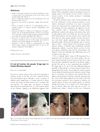 39 citations
,
July 2015 in “British Journal of Dermatology”
39 citations
,
July 2015 in “British Journal of Dermatology” The pseudo 'fringe sign' can also appear in frontal fibrosing alopecia, not just in traction alopecia, showing that this condition may be more common than thought.
 26 citations
,
August 2016 in “Actas Dermo-Sifiliográficas”
26 citations
,
August 2016 in “Actas Dermo-Sifiliográficas” Frontal Fibrosing Alopecia in men is often missed and can come with symptoms like facial bumps and hair loss on eyebrows and limbs.
 8 citations
,
September 2011 in “European Journal of Dermatology”
8 citations
,
September 2011 in “European Journal of Dermatology” Most treatments for Frontal Fibrosing Alopecia are ineffective, but early anti-inflammatory therapy may help and the condition may stabilize over time.
 37 citations
,
January 2009 in “Sexual Development”
37 citations
,
January 2009 in “Sexual Development” Fadrozole and Finasteride change frog sex ratios and cause intersex animals with altered gene expressions.
May 2025 in “Journal of Clinical Medicine” Women with alopecia areata have poor blood flow, possibly due to nerve inflammation.
November 2025 in “Clinical and Translational Medicine” DNAJB9 cfRNA could help diagnose and treat female hair loss.
 1 citations
,
April 2018 in “Journal of Investigative Dermatology”
1 citations
,
April 2018 in “Journal of Investigative Dermatology” Fzd2 is important for skin and hair development through various signaling ways.