27 citations
,
May 2011 in “Journal of Investigative Dermatology” TCHHL1 is a protein important for hair growth, found in hair follicles.
1 citations
,
July 2019 in “Small ruminant research” Nerve growth factor helps cashmere goat hair cells grow by activating a specific protein.
125 citations
,
August 2003 in “Development” Mice with human-like EGFR had growth issues, skin defects, heart problems, and unusual bone development.
19 citations
,
May 2001 in “Endocrinology” Mrp3 may aid in wound healing and hair growth.
 32 citations
,
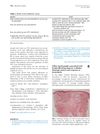
September 2017 in “Journal of the American Academy of Dermatology”
32 citations
,
September 2017 in “Journal of the American Academy of Dermatology” Oral isotretinoin effectively treats yellow facial papules in frontal fibrosing alopecia patients.
 1 citations
,
April 2017 in “Journal of Investigative Dermatology”
1 citations
,
April 2017 in “Journal of Investigative Dermatology” SM04554 may increase hair growth as a topical treatment for androgenetic alopecia.
 September 2016 in “Journal of dermatological science”
 The OVOL1-OVOL2 axis is important for hair follicle differentiation and can help diagnose certain hair-related tumors.
5 citations
,
September 2023 in “Journal of Cosmetic Dermatology” c-Maf positive macrophages help form hypertrophic scars by affecting fibroblasts and collagen production.
222 citations
,
August 2014 in “Cell Metabolism” Mitochondrial Complex I reduces inflammation and increases bone breakdown by affecting certain immune cells.
16 citations
,
April 2020 in “JAMA dermatology” More inflammation leads to faster and worse hair loss in women with frontal fibrosing alopecia.
 9 citations
,
July 2021 in “Frontiers in Pharmacology”
9 citations
,
July 2021 in “Frontiers in Pharmacology” Cholesterol-modified siRNAs targeting certain genes increased hair growth in mice.
 7 citations
,
March 2018 in “Asian-Australasian journal of animal sciences”
7 citations
,
March 2018 in “Asian-Australasian journal of animal sciences” OCIAD2 and DCN genes affect hair growth in goats by having opposite effects on a growth signaling pathway and inhibiting each other.
56 citations
,
February 2013 in “International Journal of Molecular Medicine” Growth factors help hair follicle stem cells grow and stay versatile.
 September 2017 in “Journal of Dermatology & Cosmetology”
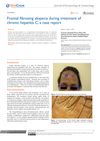
 Hepatitis C treatment may cause frontal fibrosing alopecia.
39 citations
,
April 2023 in “Science Advances” CD34+ cells help heal damaged limbs by promoting blood vessel growth.
 December 2015 in “Actas Dermo-Sifiliográficas”
 Hair transplantation for Frontal Fibrosing Alopecia may work if the disease is inactive for 2 years and with ongoing treatment to maintain results.
October 2024 in “Benha Journal of Applied Sciences” Frontal fibrosing alopecia is a complex condition with no definitive treatment.
 12 citations
,
February 2014 in “PLoS ONE”
12 citations
,
February 2014 in “PLoS ONE” Topical rapamycin may effectively treat fibrous papules on the face.
15 citations
,
March 2021 in “EMBO Reports” PRSS35 enzyme may help start skin tumors and could be a target for cancer treatment.
 127 citations
,
March 2016 in “PLoS ONE”
127 citations
,
March 2016 in “PLoS ONE” Key genes and pathways crucial for hair follicle development in cashmere goats were identified, aiding fleece production improvement.
418 citations
,
January 2018 in “Journal of Investigative Dermatology” Researchers found four distinct fibroblast types in human skin, which could help in treating wounds and fibrotic diseases.
 9 citations
,
January 2005 in “Pediatric Dermatology”
9 citations
,
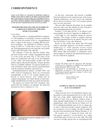
January 2005 in “Pediatric Dermatology” Fox Fordyce disease can occur in prepubertal girls and may be underdiagnosed.
 April 2023 in “Journal of Investigative Dermatology”
 A protein called MPZL3 in mitochondria slows down hair growth and could be a target for treating hair growth disorders.
December 2023 in “JEADV Clinical Practice” Brownish halos around axillary hair can help diagnose frontal fibrosing alopecia.
 June 2021 in “bioRxiv (Cold Spring Harbor Laboratory)”
 KIF18B is important for correctly positioning cell division machinery in skin cells, affecting hair follicle development.
 3 citations
,
April 2010 in “The American Journal of Dermatopathology”
3 citations
,
April 2010 in “The American Journal of Dermatopathology” Most people with scarring and nonscarring hair loss show similar D2-40 levels, but some with scarring hair loss have higher levels.
July 2025 in “Journal of Investigative Dermatology” 21 citations
,
July 2004 in “Apmis” Fluorescent proteins help visualize and understand tumor blood vessel growth.
September 2012 in “대한피부과학회지” Desmocollin 1 helps maintain skin structure during fetal development.
 31 citations
,
April 2010 in “British journal of dermatology/British journal of dermatology, Supplement”
31 citations
,
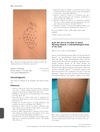
April 2010 in “British journal of dermatology/British journal of dermatology, Supplement” Frontal fibrosing alopecia can cause sudden hair loss on limbs, similar to scalp hair loss.