 September 2023 in “International journal of science and healthcare research”
 Genetic testing is crucial for diagnosing congenital atrichia, a rare condition causing irreversible hair loss.
 18 citations
,
November 2012 in “Australasian Journal of Dermatology”
18 citations
,
November 2012 in “Australasian Journal of Dermatology” A 66-year-old man with a rare case of male frontal fibrosing alopecia did not regrow hair despite treatment.
15 citations
,
March 1996 in “PubMed” Anorexia nervosa may cause a hair defect called pili torti due to malnutrition and high vitamin A levels.
 September 2013 in “Hair transplant forum international”
 The document says doctors should identify and treat Frontal fibrosing alopecia medically before considering surgery, as treatments often don't work well.
2 citations
,
August 2021 in “Animal Cells and Systems” Egfl6 is not needed for zebrafish face development.
 30 citations
,
May 2005 in “Pediatric dermatology”
30 citations
,
May 2005 in “Pediatric dermatology” Some families have a genetic condition where they are born with irregular scalp defects.
January 2016 in “Indian dermatology online journal” The patient has frontal fibrosing alopecia (FFA).
 9 citations
,
November 2019 in “Cell calcium”
9 citations
,
November 2019 in “Cell calcium” The STIM1 R304W mutation in mice leads to bone changes and teeth hair growth.
 97 citations
,
March 2002 in “Molecular and cellular biology”
97 citations
,
March 2002 in “Molecular and cellular biology” Mutant CDP/Cux protein causes hair defects and reduced male fertility in mice.
 April 2017 in “Journal of Investigative Dermatology”
 Removing the Crif1 gene in mouse skin disrupts skin balance and hair growth.
July 2004 in “Transplantation” Iron deficiency is common in kidney transplant patients, and while iron treatment helps, it can cause high red blood cell levels.
 3 citations
,
December 2020 in “Scientific reports”
3 citations
,
December 2020 in “Scientific reports” Mitochondrial problems in tooth cells lead to bad enamel and dentin development in mice.
 1 citations
,
May 2017 in “Journal of the American Academy of Dermatology”
1 citations
,
May 2017 in “Journal of the American Academy of Dermatology” Tofacitinib helped a teenager with severe hair loss grow hair back, but more research is needed.
May 2026 in “Inovasi Kesehatan Global” A 7-year-old boy's fungal infection was treated successfully, but some hair loss was permanent.
3 citations
,
August 2017 in “Clinical case reports” A rare skin condition causes red and dark patches on the face and limbs.
4 citations
,
January 2021 in “Acta Dermato Venereologica” Titanium nanoparticles may trigger frontal fibrosing alopecia, so avoid products with them.
34 citations
,
September 2010 in “Clinical and Experimental Dermatology” A new gene mutation linked to KID syndrome was found, expanding genetic knowledge.
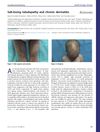 July 2018 in “Kidney international”
 Genetic testing for EGFR mutations is crucial in similar cases.
 2 citations
,
March 2023 in “Skin research and technology”
2 citations
,
March 2023 in “Skin research and technology” Temporal triangular alopecia in infants is mostly seen in males at birth, with unique features that help with diagnosis.
November 2022 in “Journal of Investigative Dermatology” NCSTN gene mutation causes abnormal skin cell differentiation and more inflammation, contributing to Hidradenitis Suppurativa.
 18 citations
,
January 2008 in “Journal of The American Academy of Dermatology”
18 citations
,
January 2008 in “Journal of The American Academy of Dermatology” Certain proteins and their receptors are more active during the growth phase of human hair and could be targeted to treat hair disorders.

Frontal fibrosing alopecia in men is often misdiagnosed and needs better diagnostic criteria and treatments.
67 citations
,
August 2004 in “Endocrinology” A specific gene mutation causes vitamin D resistance, but certain vitamin D analogs might help.
 17 citations
,
September 2010 in “Pediatric dermatology”
17 citations
,
September 2010 in “Pediatric dermatology” A 15-year-old with KID syndrome developed a rare skin condition called PEHFN.
2 citations
,
May 2006 in “Archives of Pathology & Laboratory Medicine” Early recognition of skin lesions in Birt-Hogg-Dubé syndrome is crucial for detecting renal tumors early.
 1 citations
,
April 2016 in “British Journal of Dermatology”
1 citations
,
April 2016 in “British Journal of Dermatology” Buschke-Ollendorff syndrome is a rare genetic disorder causing skin and bone changes, with some cases also showing ADHD or developmental delays.
 7 citations
,
June 2016 in “Bone Research”
7 citations
,
June 2016 in “Bone Research” A Chinese family had a child with a specific gene mutation causing vitamin D-resistant rickets, but the child improved with calcium and low-dose calcitriol.
21 citations
,
January 2006 in “Hormone Research in Paediatrics” A mutation in the VDR gene affects hair cycling without needing ligand binding.
 April 2016 in “Journal of Investigative Dermatology”
 Wnt ligands, produced by dermal papilla cells, are essential for adult hair growth and regeneration.
 1 citations
,
October 2022 in “Molecular therapy”
1 citations
,
October 2022 in “Molecular therapy” The FDA approved the first gene therapy for a blood disorder after overcoming early challenges and demonstrating patient benefits.