 5 citations
,
April 2019 in “Journal of The American Academy of Dermatology”
5 citations
,
April 2019 in “Journal of The American Academy of Dermatology” Frontal Fibrosing Alopecia may be a complex condition linked to hormonal changes in women, not just a form of Lichen Planopilaris.
 15 citations
,
December 2017 in “Journal of The European Academy of Dermatology and Venereology”
15 citations
,
December 2017 in “Journal of The European Academy of Dermatology and Venereology” Frontal fibrosing alopecia and androgenetic alopecia may be related, with a possible shared cause.
 April 2024 in “African Journal of Biological Sciences”
 The patient with lupus and Degos' disease showed significant improvement with treatment.
37 citations
,
March 1998 in “Lupus” Aggressive SLE treatment helped hair regrowth and improved oral plaque, but scalp lesions stayed.
23 citations
,
December 1990 in “PubMed” SLE should be considered in horses with immune-related skin issues.
5 citations
,
January 2016 in “European Journal of Dermatology” Suplatast tosilate successfully treated a woman's systemic sclerosis symptoms.
 June 2023 in “Romanian Medical Journal”
 The case shows how hard it is to tell apart Multiple Autoimmune Syndrome from other similar autoimmune conditions, but correct diagnosis is key for treatment to work.
 February 2011 in “Journal of the American Academy of Dermatology”
 A 60-year-old man with a long-term balding condition also developed a rare hair loss condition usually seen in postmenopausal women.
July 2024 in “Journal of Investigative Dermatology” The Fas/FasL pathway may play a role in alopecia areata.
7 citations
,
April 2021 in “Journal of Lower Genital Tract Disease” Erosive lichen sclerosus is a distinct subtype with specific skin features, and treatment led to complete resolution in half of the cases.

Lichen planopilaris and frontal fibrosing alopecia are likely the same disease with different clinical appearances.
January 2025 in “Clinical Case Reports” Follicular porokeratosis may be linked to diabetes and can lead to hair loss.
 25 citations
,
January 2019 in “Annals of Dermatology”
25 citations
,
January 2019 in “Annals of Dermatology” Blocking the NOTCH pathway can prevent fibrosis in systemic sclerosis.
 February 2023 in “JAAD case reports”
 Reducing immunosuppression and using antiviral creams improved the woman's skin condition.
 57 citations
,
January 2003 in “Clinical and experimental dermatology”
57 citations
,
January 2003 in “Clinical and experimental dermatology” Postmenopausal frontal fibrosing alopecia is a type of hair loss in postmenopausal women that may stop on its own but has no effective treatment.
 1 citations
,
July 2020 in “Benha Journal of Applied Sciences”
1 citations
,
July 2020 in “Benha Journal of Applied Sciences” Trichoscopy is useful for diagnosing Frontal Fibrosing Alopecia.
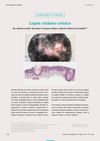 January 2024 in “Revista Dermatológica Centro Uraga”
 The patient has Chronic Cutaneous Lupus, a skin condition causing plaques and hair loss.
 April 2023 in “The journal of investigative dermatology/Journal of investigative dermatology”
 Folliculotropic mycosis fungoides has unique molecular features and cell interactions that could guide targeted therapy.
 14 citations
,
January 2006 in “Australasian journal of dermatology”
14 citations
,
January 2006 in “Australasian journal of dermatology” Alopecia areata can look like frontal fibrosing alopecia, making diagnosis hard.
 9 citations
,
January 2020 in “Postepy Dermatologii I Alergologii”
9 citations
,
January 2020 in “Postepy Dermatologii I Alergologii” Frontal fibrosing alopecia is a poorly understood condition with increasing cases and unclear treatment effectiveness.
 April 2012 in “Informa Healthcare eBooks”
 Fibrosing alopecia in a pattern distribution is a unique hair loss condition with inflammation and scarring, resembling but distinct from common balding.
 52 citations
,
February 1985 in “Archives of Dermatology”
52 citations
,
February 1985 in “Archives of Dermatology” Minoxidil absorbs poorly through skin, with low risk of side effects at 1-2% concentration.
January 1984 in “Japanese Journal of Clinical Immunology” A woman with lupus developed a rare skin condition, which improved with increased medication.
13 citations
,
June 2008 in “International Journal of Dermatology” Sorafenib can cause a unique skin reaction.
17 citations
,
June 2016 in “Archives de Pédiatrie” Frontal fibrosing alopecia can occur in children, not just postmenopausal women.
 16 citations
,
February 2010 in “Journal of the European Academy of Dermatology and Venereology”
16 citations
,
February 2010 in “Journal of the European Academy of Dermatology and Venereology” Fibrosing alopecia in a pattern distribution is a unique hair loss condition that may respond to antiandrogen therapy.
 23 citations
,
April 2021 in “Journal of Clinical Medicine”
23 citations
,
April 2021 in “Journal of Clinical Medicine” Frontal Fibrosing Alopecia's cause is unclear, affects mainly postmenopausal women, and current treatments focus on stopping hair loss rather than regrowth.
3 citations
,
April 2011 in “Journal of the American Academy of Dermatology” A 19-year-old man had a rare skin condition on one side of his face that looked like another skin disease.
 39 citations
,
July 2015 in “British Journal of Dermatology”
39 citations
,
July 2015 in “British Journal of Dermatology” The pseudo 'fringe sign' can also appear in frontal fibrosing alopecia, not just in traction alopecia, showing that this condition may be more common than thought.
 3 citations
,
July 2013 in “Journal of Cutaneous Pathology”
3 citations
,
July 2013 in “Journal of Cutaneous Pathology” A woman's hair loss, resembling an autoimmune condition, improved after treatment, but requires ongoing checks due to potential serious associations.