2 citations
,
March 2011 in “International Journal of Dermatology” An 18-year-old man was diagnosed with a rare genetic disorder causing hair loss, severe light sensitivity, and skin issues.
 April 2003 in “Journal of Cutaneous Medicine and Surgery”
 Lasers are effective for some skin conditions but can cause side effects like scarring and pigment changes; careful selection is important, and botulinum toxin type A is successful in reducing sweat in palmar hyperhidrosis.
7 citations
,
August 2019 in “Journal of Dermatological Treatment” Hydrosurgery is effective, safe, and causes fewer scars and complications than traditional methods.
 June 2023 in “Dermatology online journal”
 A person with thyroid problems had rare, swollen, bald spots on their scalp caused by a condition usually found on the shins.
 13 citations
,
January 2012 in “International Journal of Trichology”
13 citations
,
January 2012 in “International Journal of Trichology” Most hirsutism patients had idiopathic hirsutism or PCOS, with hormonal imbalances and signs like acne and irregular periods.
July 2023 in “International journal of physiology” Hypertrichosis lanuginosa causes excessive fine hair growth, often linked to genetics or cancer, with limited treatment options.
 12 citations
,
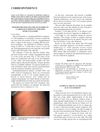
January 2005 in “Pediatric Dermatology”
12 citations
,
January 2005 in “Pediatric Dermatology” Fox Fordyce disease might be more common in prepubertal girls than thought and can be managed with treatment.
April 2019 in “Journal of the Endocrine Society” Middle-aged men with unusual hot flashes should be checked for pituitary tumors.
18 citations
,
June 2014 in “Anais Brasileiros de Dermatologia” Clouston Syndrome can be linked to rare sweat gland tumors.
16 citations
,
December 2006 in “Chinese Medical Journal” Early intervention and protective measures are crucial for managing CIPA due to the lack of pain and standard treatment.
 January 2022 in “Dermatology Review”
 EGFR inhibitors can cause unusual localized hair growth.
 June 2018 in “Global Journal of Reproductive Medicine”
 Idiopathic hirsutism may be linked to increased skin enzyme activity, and new treatments like laser and eflornithine cream show promise.
3 citations
,
December 1967 in “Australasian Journal of Dermatology” Becker's Melanosis and Hypertrichosis mainly affects young males, causing brown skin patches and extra hair on one side of the upper body.
14 citations
,
January 1995 in “Archives of Physical Medicine and Rehabilitation” A patient developed excess hair and skin issues on the same side after wearing a cast.
May 2025 in “International Journal of Trichology” Hair Heat Disease is caused by wet, oily hair and friction in hot, humid conditions.
 35 citations
,
April 2014 in “American Journal of Medical Genetics”
35 citations
,
April 2014 in “American Journal of Medical Genetics” Boys with less severe EDA mutations in XLHED have milder symptoms and better sweat and hair production.
5 citations
,
December 2018 in “Annals of plastic surgery” Some burn patients grew extra hair in areas treated with pressure garments or silicone.
8 citations
,
July 1980 in “Archives of Dermatology” Hidden sweat gland tumors might cause hair loss.
 August 2024 in “Journal of Clinical Medicine”
 Pruritus is common in LPP and FFA, worsened by heat and stress, and relieved by cold, affecting quality of life.
75 citations
,
September 1985 in “Archives of dermatology” Two boys had a rare skin condition needing to be differentiated from similar disorders, with unclear inheritance due to few cases.
4 citations
,
September 2015 in “JAAD case reports” Substance P may play a role in the inflammation seen in keratosis follicularis spinulosa decalvans.
5 citations
,
September 2015 in “Medical hypotheses” Topical sulfonylurea may reduce excessive hair growth caused by certain medications.
 11 citations
,
August 2016 in “Journal of dermatological treatment”
11 citations
,
August 2016 in “Journal of dermatological treatment” Tip cryotherapy effectively treats idiopathic guttate hypomelanosis with minimal side effects.
 July 2022 in “The journal of investigative dermatology/Journal of investigative dermatology”
 Targeting impaired Nrf2 signaling might help treat hidradenitis suppurativa early on.
November 1993 in “PubMed” Hirsutism, excessive male-pattern hair in women, can be caused by high androgens or skin sensitivity, diagnosed by testosterone levels, and treated with hair removal and hormone therapy.
January 1982 in “Clinical Cosmetic and Investigational Dermatology” Familial dyskeratotic comedones are a rare, inherited skin condition that is hard to treat but may improve slightly with topical retinoids and urea cream.
 2 citations
,
July 2020 in “Giornale italiano di dermatologia e venereologia”
2 citations
,
July 2020 in “Giornale italiano di dermatologia e venereologia” A woman with frontal fibrosing alopecia experienced unusual hair growth after using a specific topical lotion.
9 citations
,
October 1995 in “Clinical Dysmorphology” The family has a unique form of ectodermal dysplasia similar to Clouston syndrome but with different hair and skin symptoms.
 18 citations
,
March 2009 in “Medical Hypotheses”
18 citations
,
March 2009 in “Medical Hypotheses” The document suggests that blocking sweat glands with antiperspirants might allow skin-generated hormones to be absorbed, possibly increasing breast and prostate cancer risk.
3 citations
,
May 2002 in “PubMed” The document concludes that treatment for excessive hair growth depends on the cause, with options including hair removal methods and medications like anti-androgens or insulin-sensitizing drugs.