 June 2025 in “Basrah Researches Sciences”
 Medicinal plants might help with post-COVID-19 issues, but more research is needed.
 April 2025 in “International Journal of Clinical Research and Reports”
 Lifestyle changes can significantly improve hair loss in overweight women with PCOS.
 February 2025 in “Journal of Neonatal Surgery”
 Combining antidiabetic drugs, hormonal therapies, and lifestyle changes can improve health in women with PCOS.
 January 2025 in “Directory of Open access Books (OAPEN Foundation)”
 PCOS affects women's hormones and metabolism, but can be managed with lifestyle changes and treatments.
Herbal therapies for alopecia show promise but need more research for safety and effectiveness.
 January 2025 in “International Journal for Research Trends and Innovation”
 PCOS management benefits from combining traditional herbs, modern medicine, and lifestyle changes.
 October 2024 in “Journal of Education Health and Sport”
 Alopecia areata treatment should be personalized, using topical or systemic therapies based on severity, with promising options like JAK inhibitors needing more research.
Good nutrition may help prevent premature hair graying.
 June 2024 in “Clinical Endocrinology and Metabolism”
 Balancing hormones is crucial for women's health and may require hormone therapy.
 May 2024 in “Pakistan Journal of Health Sciences”
 Iron deficiency is linked to hair loss in CTE patients.
 May 2024 in “International journal of nanomedicine”
 Plant-derived extracellular vesicles show promise for treating diseases like cancer and inflammation.
Premature graying of hair is linked to vitamin D and B12 deficiencies, thyroid issues, iron imbalance, stress, and lifestyle habits, and affects quality of life.
 April 2024 in “International journal of women's health”
 Adult female acne is a complex condition that can worsen with menopause, requiring holistic treatment and tailored skincare at different life stages.
 August 2023 in “Clinical Endocrinology and Metabolism”
 Balancing hormones can help women feel youthful and healthy.
 February 2023 in “Aesthetic Cosmetology and Medicine”
 Medicinal plants in nutricosmetics contain compounds that can improve skin and hair health.
 November 2022 in “Gene Cell and Tissue”
 Zinc deficiency might affect vitamin B12 levels.
 February 2022 in “Global academic journal of medical sciences”
 People with alopecia areata have much lower Vitamin-D levels than healthy individuals.
 January 2022 in “European Proceedings of Life Sciences”
 Understanding genetic traits can help doctors create personalized detox and nutrition plans to boost antioxidant protection.
 January 2022 in “Dermatology Review”
 Higher IL-31 levels are linked to worse itching in chronic kidney disease patients.
 January 2022 in “International Journal of Medical Research”
 Chemotherapy harms healthy cells, causing side effects like hair loss and reduced immunity.
 December 2021 in “Dermatology research”
 Low levels of vitamin B12, ferritin, and calcium are linked to premature graying of hair.
Lamivudine might reverse hair graying and needs more research for potential treatments.
 June 2021 in “Journal of emerging technologies and innovative research”
 Onion and Aloe vera can help protect hair from damage caused by hair dyes.
March 2021 in “Research Square (Research Square)” Ketoconazole's structure and dynamics are linked, aiding antifungal drug development.
 February 2021 in “Journal of pharmaceutical and biological sciences”
 No cure exists for alopecia areata, and treatments are personalized.
 September 2020 in “Journal of Education Health and Sport”
 Personalized treatment and teamwork among doctors can reduce chemotherapy side effects and improve patient outcomes.
 August 2020 in “International journal of research in ayurveda and pharmacy”
 Maltadya Tail might be a good, affordable, and easy-to-use treatment for hair loss.
 January 2020 in “Asian Journal of Basic Science & Research”
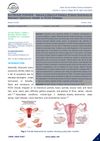
 Nutrease powder, a high-protein, low-carb supplement, can help manage Polycystic Ovary Syndrome symptoms, regulate periods, improve ovulation, and restore fertility.
 October 2018 in “InTech eBooks”
 The most effective treatments for hair loss are minoxidil, finasteride, PRP, and hair transplants, with steroids and immunosuppressants for autoimmune types.
 January 2018 in “International journal of food and nutrition research”
 Intermittent iron and nutritional supplements can help reduce hair loss.