Search
for
Sort by
Research
960-990 / 1000+ resultsresearch Inhibition of steroid 5 alpha-reductase with finasteride: sleep-related erections, potency, and libido in healthy men

research 원저 : 두피 및 눈썹 부위의 반흔에서 시행한 미세색소침착술 결과
Micropigmentation is a safe procedure that effectively improves the appearance of scars on the scalp and eyebrows, with most patients showing excellent or good results.
research Minoxidil prevents 3,4-methylenedioxymethamphetamine-induced serotonin depletions: role of mitochondrial ATP-sensitive potassium channels, Akt and ERK
Minoxidil prevents serotonin loss from MDMA by affecting potassium channels and increasing Akt phosphorylation.

research Clinical and histological challenge in the differential diagnosis of diffuse alopecia: female androgenetic alopecia, telogen effluvium and alopecia areata – part I
Diagnosing hair loss disorders needs clinical, dermoscopic, and histological differences, and checking menstrual cycle, weight changes, drug therapy, and nail changes.

research Minoxidil dose response study in female pattern hair loss patients determined to be non-responders to 5% topical minoxidil.
Increasing the dosage of minoxidil can help hair regrowth in women who didn't respond to the standard treatment.
research Therapeutic Efficacy of a Combination Therapy of Topical 17α-Estradiol and Topical Minoxidil on Female Pattern Hair Loss: A Noncomparative, Retrospective Evaluation
Combination of 17α-estradiol and minoxidil improves hair growth and reduces hair loss in most patients.
research Female Pattern Hair Loss
research Platelet‐rich plasma for androgenetic alopecia: Efficacy differences between men and women
PRP improves hair thickness for both genders, but only increases hair density in men.
research miRNA microarray profiling in patients with androgenic alopecia and the effects of miR-133b on hair growth
miR-133b promotes hair growth and could be a potential treatment for hair loss.
research Investigating the Safety and Efficacy of Platelet-Rich Plasma (PRP) Treatment for Female Androgenetic Alopecia: Review of the Literature
PRP treatment may promote hair growth and improve hair density in women with AGA, but more research is needed.
research Serum paroxonase 1 level may be an indicator and predictor of the severity of androgenetic alopecia
Low PON1 levels may indicate and predict the severity of hair loss.
research Male pattern hair loss: Can developmental origins explain the pattern?
Male pattern hair loss may be linked to the developmental origins of hair follicles.

research Iontophoresis of minoxidil sulfate from hydrophilic gels for the topical treatment of androgenic alopecia
Minoxidil sulfate gel can be used to treat hair loss.
research Industry update: the latest developments in the field of therapeutic delivery, July 2018
New partnerships, clinical trials, and drug approvals marked progress in therapeutic delivery in July 2018.
research Relationship between glucose homeostatic disorders and testosterone in adult Nigerian women with polycystic ovary syndrome
Higher testosterone levels in Nigerian women with PCOS are linked to glucose disorders like diabetes.
research Differential diagnosis of trichotillomania by trichoscopy
Azathioprine may help with severe hair loss, a new topical treatment could counteract hair thinning, and trichoscopy can diagnose hair-pulling disorder effectively.
research Preliminary study to effects of PRP on hair regrowth
PRP treatment showed no hair regrowth improvement after the first application in patients with alopecia.
research Long hair follicular unit excision: personal experience
Long hair follicular unit excision is effective for hair transplants, providing quick, natural-looking results with less pain but needs more time, staff, and skill.
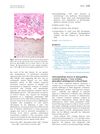
research Clinicopathologic lessons in distinguishing cicatricial alopecia: 7 Cases of lichen planopilaris misdiagnosed as discoid lupus
Seven patients were misdiagnosed with discoid lupus instead of lichen planopilaris due to similar symptoms, showing the need for careful diagnosis in scarring hair loss conditions.
research Cross-species sensitivity to a novel androgen receptor agonist of potential environmental concern, spironolactone
Spironolactone harms fish reproduction and is more potent in fish than invertebrates, needing environmental monitoring.
research Oral zinc therapy for zinc deficiency-related telogen effluvium
Taking zinc supplements can help improve or cure hair loss caused by zinc deficiency.
research Commentary on Micropunch (0.8 mm or Less in Diameter) Hair Transplantation
Small micropunches for hair transplants can increase density but may cause more bleeding and longer healing.
research Photographic Imaging in Hair Loss
Photographic imaging is crucial for documenting and managing hair loss, requiring careful preparation and standardization to be effective.

research In vitro hair follicle growth model for drug testing
Researchers developed a new method to test hair growth drugs and found that adult cells are best for hair growth, but the method needs improvement as it didn't create mature hair follicles.

research Guava (Psidium guajava L.) Leaf Extract as Bioactive Substances for Anti-Androgen and Antioxidant Activities
Guava leaf extract may help treat hair loss and protect cells by blocking certain genes and fighting damaging molecules.

research An Exploratory In Vivo Study on the Effect of Annurca Apple Extract on Hair Growth in Mice
Annurca apple extract improved hair growth in mice and could potentially prevent hair loss.

research 573 Marine and Bovine-Derived Collagen Peptides Inhibit Catagen Development and Generate Diverse Effects on Stem Cells and Progeny in Human Scalp Hair Follicles Ex Vivo
Fish-derived collagen may help hair grow longer and affect hair stem cells, while bovine collagen could benefit hair stem cell maintenance, potentially aiding in hair loss conditions.
research 570 Targeting JAK/STAT and Wnt/b-catenin pathways and 5a-reductase activity to develop an effective anti-hair loss product
The lotion with specific plant extracts effectively increased hair growth and improved hair cycle in subjects after 3 months.

research 572 Olfactory Receptor 2A4/7 Activation by the Fragrance, Cyclohexyl Salicylate, Promotes Human Hair Follicle Growth and Stem Cell Progeny Expansion
The fragrance cyclohexyl salicylate helps promote hair growth and increase hair stem cell numbers.