 October 2015 in “Regenerative Medicine”
 Two growth factors, PDGF and FGF2, can potentially be used together to grow enough cells for a hair loss treatment, but their exact function on human cells needs further confirmation.
 February 2015 in “Dermatologic Surgery”
 Smaller reticle sizes are as accurate as the standard size for measuring hair density in hair restoration.
January 2020 in “Global dermatology” The growth factor cocktail significantly increased hair growth in patients with androgenetic alopecia.
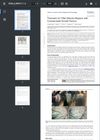 February 2026 in “Clinical Cosmetic and Investigational Dermatology”
 Concentrated growth factors can effectively treat hair loss caused by filler injections.
 17 citations
,
December 2010 in “Journal of Investigative Dermatology”
17 citations
,
December 2010 in “Journal of Investigative Dermatology” Flightless I protein affects hair growth, with low levels delaying it and high levels increasing hair length in rodents.
September 2022 in “Journal of Theoretical Biology” Hair follicles can regenerate after radiation damage but not during a specific growth phase.
October 2022 in “Experimental Dermatology” New technologies show promise for better hair regeneration and treatments.
 56 citations
,
July 2005 in “Experimental Dermatology”
56 citations
,
July 2005 in “Experimental Dermatology” Injected human hair follicle cells can create new, small hair follicles in skin cultures.
54 citations
,
November 2007 in “Actas Dermo-Sifiliográficas” Early diagnosis of frontal fibrosing alopecia is crucial to prevent permanent hair loss.
 August 2013 in “Nature Reviews Drug Discovery”
 A protein called FGF9 helps regenerate hair follicles in mice after skin damage, and increasing FGF9 could potentially help human hair growth.