 May 2025 in “Dermatologic Surgery”
 Hair transplants now offer natural, lasting results with high satisfaction due to advanced techniques and therapies.
Understanding hair follicle structure and techniques improves hair restoration outcomes.
January 2024 in “Brazilian Journal of Hair Health” Hair science has grown significantly, focusing on conditions like alopecia and improving treatments and techniques.
 December 2016 in “Journal of Dermatology and Dermatologic Surgery”
 IFHUT shows better hair growth than FUE, but needs improvements in positioning, speed, and accuracy.
26 citations
,
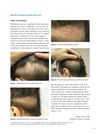
January 2016 in “Journal of cutaneous and aesthetic surgery” Hair transplant combining scalp and beard hair with PRP was successful for scarring alopecia.
 11 citations
,
June 2008 in “Dermatologic Surgery”
11 citations
,
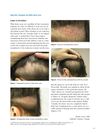
June 2008 in “Dermatologic Surgery” Transplanting chest hair into scalp scars may effectively treat wide donor scars in hair restoration.
 6 citations
,
March 2008 in “Dermatologic Surgery”
6 citations
,
March 2008 in “Dermatologic Surgery” Transplanting chest hair into scars can effectively treat wide donor scars from hair restoration surgery.
 1 citations
,
February 2018 in “Plastic and Aesthetic Research”
1 citations
,
February 2018 in “Plastic and Aesthetic Research” The KD spreader makes hair transplants safer and easier, especially for beginners, by reducing damage to hair follicles.
Low-temperature extracts of black beans, peony, and green tea improve scalp health and are better than traditional hot-water extracts.
 February 2025 in “Dermatologic Surgery”
 Hair transplantation is the best method for restoring hair, especially for genetic hair loss.
 May 2023 in “Aesthetic Plastic Surgery”
 The document concludes that there are various surgical techniques for hair restoration, their success depends on the surgeon's skill, patient's health, and quality of donor hair, and they can potentially improve the mental well-being of those with hair loss.
 December 2020 in “Springer eBooks”
 Hair restoration surgery, using modern techniques like FUE and FUT, effectively restores hair with minimal recovery time and high success rate.
January 2019 in “Clinical pediatric dermatology” Scalp micropigmentation is a non-surgical alternative to hair transplants that mimics hair follicles and requires no downtime.
 4 citations
,
November 2006 in “Dermatologic Surgery”
4 citations
,
November 2006 in “Dermatologic Surgery” Transplanted transected hair follicles can survive but grow at unsatisfactory rates and are thinner, suggesting limited potential for unlimited donor hair supply.
 November 2006 in “Dermatologic Surgery”
 Cutting hair follicles into pieces for transplantation results in poor growth and thinner hair, and the technique is more invasive than previously thought.
 27 citations
,
January 2008 in “Journal of Cutaneous and Aesthetic Surgery”
27 citations
,
January 2008 in “Journal of Cutaneous and Aesthetic Surgery” Modern hair restoration techniques have evolved from punch grafting to methods like micro-grafting and follicular unit transplantation, but they are labor-intensive, expensive, and can lead to patient dissatisfaction. Future treatments may involve cloned hair follicles and drugs like finasteride.
 6 citations
,
October 2021 in “Indian Journal of Plastic Surgery”
6 citations
,
October 2021 in “Indian Journal of Plastic Surgery” Eyebrow restoration using FUE is effective with careful planning and technique.
 2 citations
,
January 2017 in “Journal of Biotechnology Research Center”
2 citations
,
January 2017 in “Journal of Biotechnology Research Center” Hair dyes affect DNA analysis results, with the prepFiler kit working best for hair with follicles.
 2 citations
,
January 2013 in “Hair therapy & transplantation”
2 citations
,
January 2013 in “Hair therapy & transplantation” Hair transplants can be a treatment for scarring hair loss if there's good blood flow and no active disease.
 November 2018 in “Springer eBooks”
 The document concludes that specialized hair transplant techniques can be effective, with varying success rates depending on the donor area and patient factors.
 January 2017 in “Journal of Investigative Dermatology Symposium Proceedings”
 The 2015 Hair Research Congress concluded that stem cells, maraviroc, and simvastatin could potentially treat Alopecia Areata, topical minoxidil, finasteride, and steroids could treat Frontal Fibrosing Alopecia, and PTGDR2 antagonists could also treat alopecia. They also found that low-level light therapy could help with hair loss, a robotic device could assist in hair extraction, and nutrition could aid hair growth. They suggested that Alopecia Areata is an inflammatory disorder, not a single disease, indicating a need for personalized treatments.
 March 2009 in “Medical & surgical dermatology”
 Women with androgenetic alopecia have fewer terminal hairs, phenol in nail surgery is safe, and a new hair transplant method is faster and less damaging.
 October 2010 in “Journal of Drugs in Dermatology”
 In 2010, Marco Toscani's team introduced a new scalpel for hair transplants that cuts parallel to hair follicles, reducing hair loss and improving on previous methods.
 4 citations
,
November 2016 in “Hair transplant forum international”
4 citations
,
November 2016 in “Hair transplant forum international” Only about 14% of hair follicles can be safely removed in hair transplants without affecting the surrounding area.
 April 2023 in “The journal of investigative dermatology/Journal of investigative dermatology”
 Using enzymes to break down scalp hair follicles gets more stem cells for skin and hair growth than the old method.
 13 citations
,
January 2013 in “Dermatologic Surgery”
13 citations
,
January 2013 in “Dermatologic Surgery” Experienced hair transplant surgeons suggest a limited number of hair follicles can be used for transplants, and recommend conservative methods to avoid scarring and depletion.
 41 citations
,
August 2013 in “Facial Plastic Surgery Clinics of North America”
41 citations
,
August 2013 in “Facial Plastic Surgery Clinics of North America” FUE provides minimal scarring and quick recovery in hair transplantation, and surgeons not using it may lag in technology.
 May 2013 in “Trends in Urology & Men's Health”
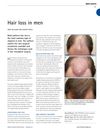
 Male-pattern hair loss is normal, often involves hormone effects on hair follicles, and can be treated with medication or surgery, but new treatments are being researched.
 November 2024 in “BMC Surgery”
 Follicular unit extraction is an effective and minimally invasive treatment for male hair loss.
3 citations
,
August 2024 in “Journal of Cosmetic Dermatology” Combining laser therapy with hair extraction improves eyebrow scar treatment.