1 citations
,
November 2018 FUE is a minimally invasive hair transplant method using various donor sites.

FUE hair transplantation is a minimally invasive method for treating hair loss.
 1 citations
,
July 2023 in “Journal of Cutaneous and Aesthetic Surgery”
1 citations
,
July 2023 in “Journal of Cutaneous and Aesthetic Surgery” The "Multi-Wave Punch" improves hair transplant results by reducing damage to hair follicles.
 1 citations
,
January 2006 in “Dermatologic Surgery”
1 citations
,
January 2006 in “Dermatologic Surgery” The SAFE System may reduce hair transplant transection rates but has been critiqued for not being as minimally invasive as claimed.
30 citations
,
August 2004 in “British Journal of Plastic Surgery” Chest hair can be successfully used for scalp hair transplants, growing longer like scalp hair.
28 citations
,
June 2015 in “Journal of circadian rhythms” An individual's morning or evening preference can predict changes in their body clock gene expression.
 15 citations
,
December 2007 in “Dermatologic Therapy”
15 citations
,
December 2007 in “Dermatologic Therapy” Hair transplantation has improved with techniques that increase graft survival and patient satisfaction for more natural results.
 April 2026 in “Asian Journal of Research in Pharmaceutical Sciences”
 Semecarpus anacardium may promote hair growth, but more research is needed for safe use in humans.
 November 2023 in “Pakistan Journal of Medical & Health Sciences”
 Careful technique and planning lead to successful, natural-looking eyebrow transplants.
 August 2019 in “Journal of The American Academy of Dermatology”
 The document concludes that using micropore tape on an 18-gauge needle can control depth in hair restoration surgery, reducing scalp trauma and complications.

The document concludes that the FOLLYSIS© system improves hair transplant processes and patient monitoring with high accuracy and less skin trauma.
 28 citations
,
August 2013 in “Facial Plastic Surgery Clinics of North America”
28 citations
,
August 2013 in “Facial Plastic Surgery Clinics of North America” Body and beard hair can be used for hair restoration in severely bald patients, but the technique is complex and costly.
 9 citations
,
March 2020 in “Dermatologic Surgery”
9 citations
,
March 2020 in “Dermatologic Surgery” Both Follicular Unit Transplantation (FUT) and Follicular Unit Excision (FUE) are effective hair transplant methods; the best choice depends on the patient's needs and the surgeon's preference.
 1 citations
,
July 2023 in “Advances in therapy”
1 citations
,
July 2023 in “Advances in therapy” Hair transplantation is safe and effective for children with scar-related hair loss.
 June 2020 in “Journal of cosmetic medicine”
 Eyebrow transplants use hair from the scalp or pubic area, with blonde hair looking more natural, and can leave scars depending on the method used.
 11 citations
,
October 2020 in “Sensors”
11 citations
,
October 2020 in “Sensors” Photoacoustic imaging can accurately assess hair follicle density and orientation for hair transplant planning.
 8 citations
,
January 2015 in “Journal of Cutaneous Medicine and Surgery”
8 citations
,
January 2015 in “Journal of Cutaneous Medicine and Surgery” Hair restoration techniques have improved but still rely on limited donor hair, with new methods like cloning and gene therapy being explored.
 October 2022 in “IntechOpen eBooks”
 Hair loss due to scarring can be treated by reducing inflammation, removing scar tissue, and transplanting hair. The Follicular Unit Extraction technique is effective but requires skill and time. Future focus should be on scar-less healing methods.
 26 citations
,
October 2012 in “Dermatologic Clinics”
26 citations
,
October 2012 in “Dermatologic Clinics” The document details hair transplantation techniques and innovations, highlighting Follicular Unit Transplantation as the standard and discussing the effectiveness and challenges of the procedure.
 14 citations
,
September 2010 in “Annals of Plastic Surgery”
14 citations
,
September 2010 in “Annals of Plastic Surgery” Hair restoration has evolved from surgery to drugs to potential gene therapy, with improved results and ongoing research driven by high demand.
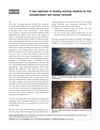 11 citations
,
January 2010 in “Indian Journal of Dermatology, Venereology and Leprology”
11 citations
,
January 2010 in “Indian Journal of Dermatology, Venereology and Leprology” Hair transplant and applying 5% minoxidil solution can effectively treat permanent hair loss, but it may change hair direction in some cases.
 9 citations
,
January 2017 in “Elsevier eBooks”
9 citations
,
January 2017 in “Elsevier eBooks” Skin's epithelial stem cells are crucial for repair and maintenance, and understanding them could improve treatments for skin problems.
 9 citations
,
January 2005 in “Journal of Cosmetic and Laser Therapy”
9 citations
,
January 2005 in “Journal of Cosmetic and Laser Therapy” In 2005, hair transplants looked natural and worked best with realistic goals, medication to preserve hair, and depended on the amount of donor hair.
 6 citations
,
May 2004 in “Facial Plastic Surgery Clinics of North America”
6 citations
,
May 2004 in “Facial Plastic Surgery Clinics of North America” By 2004, Follicular Unit Transplantation (FUT) was the most effective method for surgical hair restoration, while the newer Follicular Unit Extraction (FUE) had more disadvantages and was less recommended.
 4 citations
,
May 2017 in “Hair transplant forum international”
4 citations
,
May 2017 in “Hair transplant forum international” Using implanters in hair transplants can improve outcomes and cause less damage to hair follicles.
 3 citations
,
October 2017 in “Journal of Cosmetic Dermatology”
3 citations
,
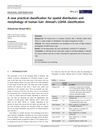
October 2017 in “Journal of Cosmetic Dermatology” Dr. Muhammad Ahmad created a hair classification system to help improve hair restoration surgery outcomes.
 1 citations
,
October 2018 in “InTech eBooks”
1 citations
,
October 2018 in “InTech eBooks” The document concludes that treatments for cicatricial alopecia are not well-supported by evidence, but hair transplantation shows more predictable and satisfactory results.
1 citations
,
October 2015 in “CRC Press eBooks” PRP and stem cells can help treat baldness by promoting hair growth.

Germinated perilla seeds can naturally promote hair growth and prevent hair loss.
 June 2025 in “Medical alphabet”
 The HFE hair transplant method is effective, safe, and provides natural-looking results with quick recovery for men with hair loss.