 June 2002 in “Seminars in Cutaneous Medicine and Surgery”
 Using a microscope during hair transplants cuts damage to follicles in half and could improve hair growth.
 14 citations
,
March 2017 in “Plastic and reconstructive surgery. Global open”
14 citations
,
March 2017 in “Plastic and reconstructive surgery. Global open” Hair follicle damage happens during hair transplants and can impact success; better surgical methods are needed.
 10 citations
,
August 2014 in “PLoS ONE”
10 citations
,
August 2014 in “PLoS ONE” Hair follicles can help diagnose traumatic brain injury quickly and non-invasively.
 4 citations
,
February 2020 in “Cell & tissue research/Cell and tissue research”
4 citations
,
February 2020 in “Cell & tissue research/Cell and tissue research” Hair follicle stem cells might help treat traumatic brain injury.
 December 2012 in “Journal of dermatological science”
 Hair follicles help attract immune cells to minor skin injuries.
 August 2024 in “Journal of Small Animal Practice”
 A cat lost hair on its back a month after a road accident, despite no initial skin injuries.
 August 2023 in “British journal of dermatology/British journal of dermatology, Supplement”
 Rubbing or pressing on the face can cause small bumps, and changing posture along with certain creams can improve them.
September 2021 in “CRC Press eBooks” Traumatic alopecia causes hair loss from pulling or rubbing, leading to broken hairs and changes in the scalp.
 32 citations
,
January 1986 in “The Journal of Dermatologic Surgery and Oncology”
32 citations
,
January 1986 in “The Journal of Dermatologic Surgery and Oncology” Surgical correction can treat hair loss in black women caused by styling practices, with techniques chosen based on individual needs and hair loss severity.
 August 2009 in “Journal of Oral and Maxillofacial Surgery”
 The document concludes that understanding hair loss patterns and careful surgical techniques are key for successful hair transplantation in oral and maxillofacial surgery.
August 2024 in “Skin Research and Technology” TAF can be identified by excessive skin thickening and clogged hair follicles, helping distinguish it from similar skin conditions.
January 1993 in “Di-Si Junyi Daxue xuebao” Type III collagen increases in recovering guinea pig skin, aiding tissue stability.
 127 citations
,
December 2007 in “Journal of Investigative Dermatology”
127 citations
,
December 2007 in “Journal of Investigative Dermatology” Mice hair growth patterns get more complex with age and can change with events like pregnancy or injury.
 72 citations
,
July 2008 in “Dermatologic Therapy”
72 citations
,
July 2008 in “Dermatologic Therapy” CCCA is a scarring hair loss condition mainly in African descent women, possibly caused by genetics and hairstyling, treated with gentle hair care and medications.
 45 citations
,
April 2019 in “International Immunology”
45 citations
,
April 2019 in “International Immunology” The study concluded that immune cells attacking hair follicles cause hair loss in alopecia, with genetics and environment also playing a role, and highlighted the potential of certain treatments.
12 citations
,
December 2022 in “Current Protein and Peptide Science” Thymosin β4 helps in cell activities, healing, and organ preservation, and treats hair loss and skin injuries.
 2 citations
,
May 2005 in “Seminars in Plastic Surgery”
2 citations
,
May 2005 in “Seminars in Plastic Surgery” The Juri Temporo-Parieto-Occipital Flap is a good option for scalp reconstruction and hairline restoration with a natural look, despite some risk of necrosis and scarring.
 1 citations
,
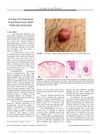
February 2017 in “The American journal of dermatopathology/American journal of dermatopathology”
1 citations
,
February 2017 in “The American journal of dermatopathology/American journal of dermatopathology” A man with a skin nodule was diagnosed with a rare skin condition called cutaneous focal mucinosis, which can be confused with other skin cancers.
 June 2025 in “Medical alphabet”
 The HFE hair transplant method is effective, safe, and provides natural-looking results with quick recovery for men with hair loss.
 July 2023 in “Hair transplant forum international”
 Eating the right foods can improve hair health by reducing damage and providing proper nutrients.
 August 2019 in “Journal of The American Academy of Dermatology”
 The document concludes that using micropore tape on an 18-gauge needle can control depth in hair restoration surgery, reducing scalp trauma and complications.

The document concludes that the FOLLYSIS© system improves hair transplant processes and patient monitoring with high accuracy and less skin trauma.
 January 2015 in “Journal of clinical and investigative dermatology”
 Clipping is the best method to prepare rats for studying hair loss from chemotherapy because it causes less skin damage and effectively gets hair to the right growth phase.
Thymosin β4 helps with healing, inflammation, and organ protection.

mEphA1 receptor tyrosine kinase is important for skin and hair development and may play a role in certain diseases.
 4 citations
,
January 2009 in “Wiley-Blackwell eBooks”
4 citations
,
January 2009 in “Wiley-Blackwell eBooks” The book explains causes, diagnosis, and treatments for hair loss in pets.
 89 citations
,
October 1996 in “Dermatologic Clinics”
89 citations
,
October 1996 in “Dermatologic Clinics” Alopecia areata is likely caused by a combination of genetic factors and immune system dysfunction, and may represent different diseases with various causes.
 20 citations
,
July 2008 in “Dermatologic Therapy”
20 citations
,
July 2008 in “Dermatologic Therapy” The document says that treating the root cause of hair follicle damage is crucial to prevent permanent hair loss, and treatment options vary.
 18 citations
,
March 2003 in “PubMed”
18 citations
,
March 2003 in “PubMed” Hair loss in women can be due to abnormal hair growth cycles or damaged hair follicles, with the most common type being androgenetic alopecia; treatment varies by cause, and the psychological impact is significant.
 13 citations
,
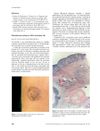
February 2006 in “Clinical and Experimental Dermatology”
13 citations
,
February 2006 in “Clinical and Experimental Dermatology” A benign tumor developed at a girl's BCG vaccination site, not previously linked to the vaccine.