 11 citations
,
August 2017 in “American Journal of Dermatopathology”
11 citations
,
August 2017 in “American Journal of Dermatopathology” EVG staining helps tell apart follicular scars from follicular streamers, aiding in diagnosing different types of hair loss.
 10 citations
,
May 2012 in “Journal of Plastic Reconstructive and Aesthetic Surgery”
10 citations
,
May 2012 in “Journal of Plastic Reconstructive and Aesthetic Surgery” Beard hair can effectively hide hair transplant scars.
 11 citations
,
May 2019 in “BioMed Research International”
11 citations
,
May 2019 in “BioMed Research International” Hair transplantation effectively treats scalp scars with high success and patient satisfaction.
 4 citations
,
January 2020 in “Journal of Cutaneous and Aesthetic Surgery”
4 citations
,
January 2020 in “Journal of Cutaneous and Aesthetic Surgery” Keloid scars can form after hair transplant surgery and should be prevented and treated early.
3 citations
,
August 2024 in “Journal of Cosmetic Dermatology” Combining laser therapy with hair extraction improves eyebrow scar treatment.
April 2025 in “ALEXMED ePosters” Combining nanofat with FUE improves scar appearance and function better than FUE alone.
 May 2026 in “Frontiers in Medicine”
 The shampoo effectively reduces scabs after hair transplant surgery without causing discomfort.
 5 citations
,
September 2012 in “Dermatology Online Journal”
5 citations
,
September 2012 in “Dermatology Online Journal” Follicular Unit Extraction (FUE) hair transplant is less invasive, leaves no scars, and has quicker recovery times, but it's more time-consuming and challenging. Automation helps speed up the process and improve graft survival, reducing the need for traditional strip surgery.
 November 2022 in “Archives of Plastic Surgery”
 Hair transplant technique can be used to treat thin scars after skull surgery.
 14 citations
,
May 2019 in “Journal of Maxillofacial and Oral Surgery”
14 citations
,
May 2019 in “Journal of Maxillofacial and Oral Surgery” FUE hair transplant is a promising method with benefits like less scarring, but requires a skilled surgeon and can damage hair follicles.
 9 citations
,
March 2020 in “Dermatologic Surgery”
9 citations
,
March 2020 in “Dermatologic Surgery” Both Follicular Unit Transplantation (FUT) and Follicular Unit Excision (FUE) are effective hair transplant methods; the best choice depends on the patient's needs and the surgeon's preference.
 8 citations
,
January 2015 in “Scars, burns & healing”
8 citations
,
January 2015 in “Scars, burns & healing” Hair transplantation effectively treats burn scar alopecia, improving self-esteem and confidence.
2 citations
,
March 2023 in “Aesthetic Plastic Surgery” The new hair transplant method reduces scarring and wastage by combining two techniques.
 2 citations
,
June 2012 in “Journal of Cosmetic Dermatology”
2 citations
,
June 2012 in “Journal of Cosmetic Dermatology” Hair transplant using beard hair made acne scars on cheeks less visible with minimal scarring in the donor area.
October 2022 in “Hair Transplantation” FUE is popular due to no linear scar, but choice depends on personal preference and specific factors.
October 2022 in “Hair Transplantation” Improving donor scar appearance in hair transplants involves careful technique and addressing factors like tension, scalp elasticity, and patient habits.
May 2022 in “Journal of Asia Pacific Aesthetic Sciences” Newer techniques like FUE and SMP reduce scarring in hair transplants.
 January 2022 in “Surgical & Cosmetic Dermatology”
 Fat grafting before FUE hair transplantation effectively treats scalp scars.
 August 2021 in “Al-Azhar International Medical Journal (Print)”
 Hair transplantation is effective for treating cicatricial alopecia with fewer anesthesia risks, scars, and recovery time.
August 2018 in “Analysis of the application of various variants of bone plasty in victims with intraarticular fractures (Transplantology)” Follicular microautotransplantation effectively improves scalp scars and enhances quality of life.
 July 2025 in “The Egyptian Journal of Hospital Medicine”
 Preparing scars with PRP or CO₂ laser improves hair transplant success.
 July 2022 in “The Egyptian Journal of Plastic and Reconstructive Surgery”
 Using Platelet Rich Plasma with hair transplants is effective for treating hair loss due to burns.
January 2020 in “Hair therapy & transplantation” FUE is a modern hair transplant method that avoids large scars and is good for short hair.
 8 citations
,
April 2020 in “Facial Plastic Surgery Clinics of North America”
8 citations
,
April 2020 in “Facial Plastic Surgery Clinics of North America” Follicular Unit Transplantation is a reliable hair restoration method with a high success rate and minimal scarring.
 2 citations
,
January 2022 in “Hair transplant forum international”
2 citations
,
January 2022 in “Hair transplant forum international” The FUE-LE technique combines two hair transplant methods to harvest more hair with minimal visible scarring, especially for patients with advanced hair loss.
 28 citations
,
July 2011 in “Journal of Plastic Reconstructive and Aesthetic Surgery”
28 citations
,
July 2011 in “Journal of Plastic Reconstructive and Aesthetic Surgery” A patient had skin tissue death at the hair removal site after a hair transplant, which was treated with surgery.
 13 citations
,
August 2016 in “Journal of Cosmetic Dermatology”
13 citations
,
August 2016 in “Journal of Cosmetic Dermatology” Using normal saline in vertical extraction for hair transplants reduces donor area injury more than acute extraction.
 6 citations
,
March 2008 in “Dermatologic Surgery”
6 citations
,
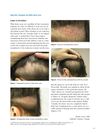
March 2008 in “Dermatologic Surgery” Transplanting chest hair into scars can effectively treat wide donor scars from hair restoration surgery.
 July 2026 in “Preprints.org”
 Combining fat grafting, hair transplantation, and scalp micropigmentation effectively restores appearance and improves life for burn survivors.
 June 2026 in “Journal of Cutaneous and Aesthetic Surgery”
 FUE is effective for improving hair regrowth and appearance in scarred areas.