Hair transplantation can effectively restore hair in stabilized hair loss cases.
 July 2008 in “Expert Review of Dermatology”
 Proper planning for hair transplants is crucial for natural results, with careful patient selection and strategic graft placement being key factors.
January 2006 in “Journal of North Sichuan Medical College” Hair transplant techniques improved, but cell therapy showed promise despite challenges.
June 2021 in “Cosmoderma” Hair transplantation techniques have improved, making the process safer and more effective with less visible scarring.
 March 2021 in “Dermatological reviews”
 Hair transplant works well, but needs more research for better results.
July 2020 in “Hair transplant forum international” Placing hair grafts in the scar is the best way to fix widened FUT donor scars.
January 2019 in “Clinical pediatric dermatology” Scalp micropigmentation is a non-surgical alternative to hair transplants that mimics hair follicles and requires no downtime.
 August 2014 in “Aesthetic Surgery Journal”
 Book covers all aspects of hair restoration surgery, highly recommended.
 May 2022 in “Hair transplant forum international”
 The document concludes that following a specific 15-step process can improve the success of hair transplant extractions.
 18 citations
,
April 2010 in “Actas Dermo-Sifiliográficas”
18 citations
,
April 2010 in “Actas Dermo-Sifiliográficas” Follicular unit hair transplantation is the standard method for natural-looking hair restoration in androgenic alopecia.
 March 2009 in “Medical & surgical dermatology”
 Women with androgenetic alopecia have fewer terminal hairs, phenol in nail surgery is safe, and a new hair transplant method is faster and less damaging.
 1 citations
,
April 2019 in “Aesthetic Plastic Surgery”
1 citations
,
April 2019 in “Aesthetic Plastic Surgery” Secondary hairline correction surgery can be effective and satisfying when customized to the patient's needs.
Robotic FUE hair transplants are better for men because they are precise, safe, and look natural.
 3 citations
,
March 2019 in “Archives of Plastic Surgery”
3 citations
,
March 2019 in “Archives of Plastic Surgery” Hair transplantation effectively corrects hairline issues after midface-lifting surgery with high patient and physician satisfaction.
June 2026 in “Actas Dermo-Sifiliográficas” Long-hair FUE allows hair transplants without shaving but is more complex and time-consuming.
 January 2017 in “Journal of Investigative Dermatology Symposium Proceedings”
 The 2015 Hair Research Congress concluded that stem cells, maraviroc, and simvastatin could potentially treat Alopecia Areata, topical minoxidil, finasteride, and steroids could treat Frontal Fibrosing Alopecia, and PTGDR2 antagonists could also treat alopecia. They also found that low-level light therapy could help with hair loss, a robotic device could assist in hair extraction, and nutrition could aid hair growth. They suggested that Alopecia Areata is an inflammatory disorder, not a single disease, indicating a need for personalized treatments.
 September 2024 in “Journal of Cosmetic Dermatology”
 Robotic hair transplants are easier and quicker to learn than traditional methods.
 9 citations
,
January 2015 in “Current problems in dermatology”
9 citations
,
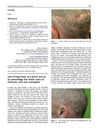
January 2015 in “Current problems in dermatology” New hair transplant method allows for hair regrowth in the donor area and less scarring.
 10 citations
,
May 2012 in “Journal of Plastic Reconstructive and Aesthetic Surgery”
10 citations
,
May 2012 in “Journal of Plastic Reconstructive and Aesthetic Surgery” Beard hair can effectively hide hair transplant scars.
 April 2011 in “ISRN Dermatology (Print)”
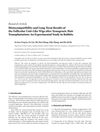
 The wigs made from human hair and polypropylene were mostly well-tolerated and durable in rabbits, suggesting they could be a new option for people with extensive hair loss.
17 citations
,
January 2018 in “Journal of cutaneous and aesthetic surgery” The article discusses debates on hair transplant techniques, safe donor areas, PRP use, and practitioner qualifications in hair restoration.
 November 2025 in “Indian Journal of Plastic Surgery”
 The new technique increases hair graft yield and minimizes scarring in hair restoration.
 November 2025 in “Indian Journal of Plastic Surgery”
 The FUET method improves hair transplant precision and outcomes by combining FUT and FUE techniques under a surgeon's control.
 6 citations
,
January 2010 in “Actas Dermo-Sifiliográficas”
6 citations
,
January 2010 in “Actas Dermo-Sifiliográficas” Follicular Unit Hair Transplantation has become a less invasive procedure with natural results, suitable for certain adults with hair loss.
 10 citations
,
January 2013 in “Journal of Cutaneous and Aesthetic Surgery”
10 citations
,
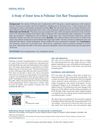
January 2013 in “Journal of Cutaneous and Aesthetic Surgery” Narrower donor strips and special closure techniques in hair transplants lead to smaller scars and happier patients.
 8 citations
,
February 2016 in “The American Journal of Dermatopathology”
8 citations
,
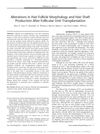
February 2016 in “The American Journal of Dermatopathology” Hair transplants can make hair follicles larger and hair shafts thicker.

The DNS FUE technique offers discreet hair transplants with high satisfaction and low damage rates.
Follicular unit grafting is a procedure used to treat hair loss, where small hair grafts are placed into the scalp, with future treatments likely to involve smaller incisions and cell-based therapies.
 4 citations
,
June 2022 in “Clinical, cosmetic and investigational dermatology”
4 citations
,
June 2022 in “Clinical, cosmetic and investigational dermatology” The new SFS Scale predicts hair transplant difficulty using hair and skin types, with thick skin and coily hair being hardest to work with.
 February 2026 in “Frontiers in Medicine”
 FUE hair transplants are generally safe but require careful planning to avoid rare complications.