 June 2026 in “Journal of Craniofacial Surgery”
 Scalp necrosis is a rare but serious complication of hair transplantation that requires early detection and treatment.
 September 2024 in “Zagazig University Medical Journal”
 PRP did not significantly improve hair restoration results but improved scar tissue quality.
 July 2022 in “Journal of Cosmetic Dermatology”
 Adding platelet rich plasma to follicular unit extraction doesn't significantly improve hair graft survival in cicatricial alopecia treatment.
 January 2022 in “Cellular and Molecular Biology”
 Adding Triamcinolone to the anesthetic can reduce swelling after hair transplants, and using Platelet-Rich Plasma can improve hair thickness and patient satisfaction. The SRD5A2 gene also plays a key role in the success of hair transplants.
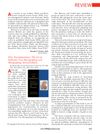 January 2015 in “Plastic and Reconstructive Surgery”
 The book is a valuable guide for hair restoration surgeons.
October 2008 in “DOAJ (DOAJ: Directory of Open Access Journals)” By 2008, hair transplants looked more natural due to improved techniques.
January 2019 in “Clinical pediatric dermatology” Scalp micropigmentation is a non-surgical alternative to hair transplants that mimics hair follicles and requires no downtime.
 January 2016 in “International journal of basic and clinical pharmacology”
 Steroid use can cause a rare eye condition called central serous retinopathy, which can lead to permanent vision damage.
 12 citations
,
October 2017 in “Journal of Cosmetic Dermatology”
12 citations
,
October 2017 in “Journal of Cosmetic Dermatology” Combining plasma rich in growth factors with hair transplant surgery may lead to faster recovery and better outcomes for hair loss treatment.
 1 citations
,
January 2017 in “International Journal of Dermoscopy”
1 citations
,
January 2017 in “International Journal of Dermoscopy” Digital imaging can effectively evaluate the donor area for hair transplants, showing variations in hair density and grouping by age and severity of hair loss.
 18 citations
,
December 2014 in “Plastic surgery”
18 citations
,
December 2014 in “Plastic surgery” Follicular Unit Transplantation is an effective and safe treatment for hair loss due to scarring.
 10 citations
,
May 2014 in “Facial Plastic Surgery”
10 citations
,
May 2014 in “Facial Plastic Surgery” Hair transplantation using PLFUT is effective for eyebrow restoration with natural-looking results and no scarring.
 January 2020 in “Hair transplant forum international”
 The type of previous hair restoration surgery might affect the success of a later one, with strip harvesting possibly leading to fewer damaged hair follicles.
 June 2002 in “Seminars in Cutaneous Medicine and Surgery”
 Using a microscope during hair transplants cuts damage to follicles in half and could improve hair growth.
 13 citations
,
November 2018 in “Annals of Plastic Surgery”
13 citations
,
November 2018 in “Annals of Plastic Surgery” Nonshaven follicular unit extraction is a good hair transplant option that doesn't require shaving and can transplant up to 3000 grafts daily.
June 2026 in “Actas Dermo-Sifiliográficas” Long-hair FUE allows hair transplants without shaving but is more complex and time-consuming.
 April 2020 in “The Egyptian Journal of Plastic and Reconstructive Surgery”
 Both follicular unit extraction and scalp expanders effectively treat secondary cicatricial alopecia, with scalp expanders leading to quicker and denser hair growth.
 3 citations
,
March 2019 in “Archives of Plastic Surgery”
3 citations
,
March 2019 in “Archives of Plastic Surgery” Hair transplantation effectively corrects hairline issues after midface-lifting surgery with high patient and physician satisfaction.
 1 citations
,
July 2001 in “Hair transplant forum international”
1 citations
,
July 2001 in “Hair transplant forum international” The conclusion compares the effectiveness of different hair transplant techniques.
 4 citations
,
November 2003 in “Hair transplant forum international”
4 citations
,
November 2003 in “Hair transplant forum international” Using an LCD monitor with video magnification is a cheap and comfortable method to enlarge the view of hair for transplant surgery.
 18 citations
,
April 2010 in “Actas Dermo-Sifiliográficas”
18 citations
,
April 2010 in “Actas Dermo-Sifiliográficas” Follicular unit hair transplantation is the standard method for natural-looking hair restoration in androgenic alopecia.
 1 citations
,
May 2018 in “Hair transplant forum international”
1 citations
,
May 2018 in “Hair transplant forum international” Hair transplant techniques and scalp micropigmentation can effectively hide scars and hair loss after cranial surgery.
 December 2002 in “Operative Techniques in Otolaryngology-Head and Neck Surgery”
 Hair loss from trauma can be managed using scalp expansion, flaps, and hair transplants to improve appearance and well-being.
 August 1998 in “Dermatologic Surgery”
 Dr. George A. Farber recommends using follicular unit transplantation for hair restoration because it gives a more natural look and has fewer problems compared to the older miniflap technique.
 December 2002 in “Operative Techniques in Otolaryngology-head and Neck Surgery”
 Manage hair loss from trauma with scalp expansion, advancement flaps, and hair transplantation.
 6 citations
,
March 2018 in “Hair transplant forum international”
6 citations
,
March 2018 in “Hair transplant forum international” The Graft Quality Index grades hair transplant grafts to predict placement difficulty and surgery results.
 2 citations
,
May 2010 in “Hair transplant forum international”
2 citations
,
May 2010 in “Hair transplant forum international” Different hair restoration techniques like follicular unit extraction, scalp reduction, and body hair transplantation can improve results for patients unhappy with their initial surgery, but they also have potential risks.
 June 2024 in “Journal of Dermatology & Cosmetology”
 The FUL hair restoration technique is better for aesthetics and causes less scarring.
 January 2017 in “International journal of transplantation & plastic surgery”
 Hair restoration techniques have improved over time, focusing on better results and less scarring, but skilled doctors are essential for natural-looking outcomes.
May 2025 in “Arquivos Catarinenses de Medicina” Fat micrografting improves hair transplant success in burn-related hair loss.