 11 citations
,
May 2019 in “BioMed Research International”
11 citations
,
May 2019 in “BioMed Research International” Hair transplantation effectively treats scalp scars with high success and patient satisfaction.
 11 citations
,
April 1999 in “Dermatologic Clinics”
11 citations
,
April 1999 in “Dermatologic Clinics” Different hair transplant methods vary in time and cost, but the best results depend on hairline design and hair qualities, not just the technique.
 10 citations
,
January 2013 in “Journal of Cutaneous and Aesthetic Surgery”
10 citations
,
January 2013 in “Journal of Cutaneous and Aesthetic Surgery” Narrower donor strips and special closure techniques in hair transplants lead to smaller scars and happier patients.
 6 citations
,
January 2010 in “Actas Dermo-Sifiliográficas”
6 citations
,
January 2010 in “Actas Dermo-Sifiliográficas” Follicular Unit Hair Transplantation has become a less invasive procedure with natural results, suitable for certain adults with hair loss.
 6 citations
,
January 2019 in “Journal of Cutaneous and Aesthetic Surgery”
6 citations
,
January 2019 in “Journal of Cutaneous and Aesthetic Surgery” Follicular unit extraction is an effective hair transplant method for advanced baldness with high patient satisfaction, but some experienced decreased density over time.
 5 citations
,
September 2000 in “Dermatologic Surgery”
5 citations
,
September 2000 in “Dermatologic Surgery” Lower hairlines using the rule of thirds can be used in hair transplants due to improved techniques.
 4 citations
,
January 2005 in “Elsevier eBooks”
4 citations
,
January 2005 in “Elsevier eBooks” Follicular Unit Transplantation is a precise hair restoration technique that requires careful planning and a skilled team, and Follicular Unit Extraction offers a less invasive option.
 1 citations
,
January 2010 in “Elsevier eBooks”
1 citations
,
January 2010 in “Elsevier eBooks” Follicular Unit Hair Transplantation is a method for restoring hair by transplanting individual hair follicles.
 January 2014 in “Journal of Cutaneous and Aesthetic Surgery”
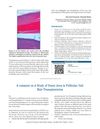
 The document suggests that for better patient satisfaction in hair transplants, high-quality photos are needed, and using a narrow donor strip might lead to fewer grafts and dissatisfaction, but filling the scar with FUE grafts and using tranexamic acid can improve results.
4 citations
,
January 2019 in “Archives of clinical and medical case reports” Combining FUE hair transplantation with PRP improves hair density and patient satisfaction in scarring alopecia.
 9 citations
,
January 2015 in “Current problems in dermatology”
9 citations
,
January 2015 in “Current problems in dermatology” New hair transplant method allows for hair regrowth in the donor area and less scarring.
 December 2016 in “Journal of Dermatology and Dermatologic Surgery”
 IFHUT shows better hair growth than FUE, but needs improvements in positioning, speed, and accuracy.
 9 citations
,
March 2020 in “Dermatologic Surgery”
9 citations
,
March 2020 in “Dermatologic Surgery” Both Follicular Unit Transplantation (FUT) and Follicular Unit Excision (FUE) are effective hair transplant methods; the best choice depends on the patient's needs and the surgeon's preference.
 3 citations
,
June 2005 in “Ophthalmology Clinics of North America”
3 citations
,
June 2005 in “Ophthalmology Clinics of North America” Follicular unit transplantation treats hair loss and restores eyebrows with short recovery and natural results.
 15 citations
,
June 2006 in “Journal of Plastic Reconstructive and Aesthetic Surgery”
15 citations
,
June 2006 in “Journal of Plastic Reconstructive and Aesthetic Surgery” FUT effectively treats male-pattern hair loss with high satisfaction.
 8 citations
,
February 2016 in “The American Journal of Dermatopathology”
8 citations
,
February 2016 in “The American Journal of Dermatopathology” Hair transplants can make hair follicles larger and hair shafts thicker.
2 citations
,
March 2021 in “Plastic and Reconstructive Surgery” Follicular unit transplantation is a highly effective and safe treatment for female pattern hair loss.
 17 citations
,
May 2015 in “Aesthetic Plastic Surgery”
17 citations
,
May 2015 in “Aesthetic Plastic Surgery” FUE hair transplantation using a micromotor is effective and gives natural results with few complications.
 15 citations
,
January 2013 in “Journal of Cutaneous and Aesthetic Surgery”
15 citations
,
January 2013 in “Journal of Cutaneous and Aesthetic Surgery” The modified Direct Hair Transplantation method is effective for treating baldness with better graft survival and less damage than standard techniques.
3 citations
,
October 2023 in “Plastic & Reconstructive Surgery Global Open” Nanofat injections before hair transplantation improve eyebrow restoration in burn scars.
 4 citations
,
June 2022 in “Clinical, cosmetic and investigational dermatology”
4 citations
,
June 2022 in “Clinical, cosmetic and investigational dermatology” The new SFS Scale predicts hair transplant difficulty using hair and skin types, with thick skin and coily hair being hardest to work with.
 August 2023 in “Clinical, Cosmetic and Investigational Dermatology”
 The new hair transplant device reduces damage to hair follicles and makes surgery more comfortable for the surgeon.
 April 2011 in “ISRN Dermatology (Print)”
 The wigs made from human hair and polypropylene were mostly well-tolerated and durable in rabbits, suggesting they could be a new option for people with extensive hair loss.
 December 2023 in “Dermatologic Surgery”
 The skin-responsive device improved beard and body hair transplant success and increased surgeons' willingness to perform the procedure.
 153 citations
,
August 2002 in “Dermatologic Surgery”
153 citations
,
August 2002 in “Dermatologic Surgery” Follicular Unit Extraction (FUE) is a less invasive hair transplant method with minimal scarring, suitable for about 60% of patients, especially those needing fewer grafts and quicker recovery.
 16 citations
,
October 2008 in “Dermatologic Surgery”
16 citations
,
October 2008 in “Dermatologic Surgery” The new powered hair transplant method is faster and damages fewer hairs than the manual method.
 11 citations
,
September 2001 in “The Cleft Palate Craniofacial Journal”
11 citations
,
September 2001 in “The Cleft Palate Craniofacial Journal” Hair transplant surgery successfully restored a boy's moustache hair on a cleft lip scar, with natural-looking results and patient satisfaction.
 6 citations
,
September 2001 in “The Cleft Palate Craniofacial Journal”
6 citations
,
September 2001 in “The Cleft Palate Craniofacial Journal” Hair transplant surgery successfully restored a boy's moustache hair on a cleft lip scar, with natural-looking results and patient satisfaction.
 1 citations
,
June 2017 in “Actas Dermo-Sifiliográficas”
1 citations
,
June 2017 in “Actas Dermo-Sifiliográficas” Follicular Unit Extraction (FUE) is a hair transplant method with less scarring and discomfort but requires skilled surgeons and has limitations on graft numbers per session.
 December 2008 in “Dermatologic Surgery”
 The new powered hair transplant method is faster and damages fewer grafts than the manual technique.