January 2021 in “Hair therapy & transplantation” New hair transplant methods now look more natural.
Follicular unit grafting is a procedure used to treat hair loss, where small hair grafts are placed into the scalp, with future treatments likely to involve smaller incisions and cell-based therapies.
 16 citations
,
January 2014 in “Dermatology online journal”
16 citations
,
January 2014 in “Dermatology online journal” The document concludes that Follicular Unit Extraction is an advanced, less invasive hair transplant method with fewer side effects than traditional methods.
 1 citations
,
February 2018 in “Journal of Nepal Medical Association”
1 citations
,
February 2018 in “Journal of Nepal Medical Association” Hair transplant surgery by Follicular Unit Extraction is mostly safe and gives good results with few complications.
 4 citations
,
August 2021 in “Journal of Cosmetic Dermatology”
4 citations
,
August 2021 in “Journal of Cosmetic Dermatology” Ergonomic improvements in hair transplant surgery reduce discomfort for surgeons and may improve patient outcomes.
 16 citations
,
June 2009 in “Dermatologic Surgery”
16 citations
,
June 2009 in “Dermatologic Surgery” A 17-year-old boy with Temporal Triangular Alopecia successfully grew new hair after a hair restoration surgery using follicular unit transplantation.
 November 2023 in “Facial Plastic Surgery”
 Follicular Unit Excision (FUE) is a popular, less invasive hair restoration method with high patient satisfaction when done correctly, despite some complications from untrained practitioners.
 153 citations
,
August 2002 in “Dermatologic Surgery”
153 citations
,
August 2002 in “Dermatologic Surgery” Follicular Unit Extraction (FUE) is a less invasive hair transplant method with minimal scarring, suitable for about 60% of patients, especially those needing fewer grafts and quicker recovery.
 5 citations
,
September 2012 in “Dermatology Online Journal”
5 citations
,
September 2012 in “Dermatology Online Journal” Follicular Unit Extraction (FUE) hair transplant is less invasive, leaves no scars, and has quicker recovery times, but it's more time-consuming and challenging. Automation helps speed up the process and improve graft survival, reducing the need for traditional strip surgery.
 1 citations
,
March 2019 in “Hair transplant forum international”
1 citations
,
March 2019 in “Hair transplant forum international” Both hair transplant methods, FUE and FUT, show similar stress responses and growth abilities in hair cells.
 4 citations
,
January 2005 in “Elsevier eBooks”
4 citations
,
January 2005 in “Elsevier eBooks” Follicular Unit Transplantation is a precise hair restoration technique that requires careful planning and a skilled team, and Follicular Unit Extraction offers a less invasive option.
 6 citations
,
September 2001 in “The Cleft Palate Craniofacial Journal”
6 citations
,
September 2001 in “The Cleft Palate Craniofacial Journal” Hair transplant surgery successfully restored a boy's moustache hair on a cleft lip scar, with natural-looking results and patient satisfaction.
 2 citations
,
November 2007 in “Hair transplant forum international”
2 citations
,
November 2007 in “Hair transplant forum international” The conclusion is that hair transplant surgery should use microscopically dissected natural hair groupings and some new terms were suggested for clarity.
 5 citations
,
September 2000 in “Dermatologic Surgery”
5 citations
,
September 2000 in “Dermatologic Surgery” Lower hairlines using the rule of thirds can be used in hair transplants due to improved techniques.
 4 citations
,
January 2012 in “International Society of Hair Restoration Surgery”
4 citations
,
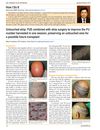
January 2012 in “International Society of Hair Restoration Surgery” Combining FUE and strip surgery increases hair harvested in one session and keeps options open for future transplants.
 4 citations
,
November 2006 in “Dermatologic Surgery”
4 citations
,
November 2006 in “Dermatologic Surgery” Transplanted transected hair follicles can survive but grow at unsatisfactory rates and are thinner, suggesting limited potential for unlimited donor hair supply.
 1 citations
,
October 2021 in “Indian Journal of Plastic Surgery”
1 citations
,
October 2021 in “Indian Journal of Plastic Surgery” Hair transplant surgery in India has progressed from plugs and flaps to advanced techniques using micrografts and follicular unit extraction.
Hair transplant techniques are evolving with ongoing advancements and future breakthroughs expected.
October 2022 in “Hair Transplantation” Quality control and assurance are crucial for improving hair transplant surgery outcomes.
January 2019 in “Clinical pediatric dermatology” Scalp micropigmentation is a non-surgical alternative to hair transplants that mimics hair follicles and requires no downtime.
2 citations
,
October 2023 in “Aesthetic Plastic Surgery” Females, especially over 40, are more likely to experience temporary hair loss after hair restoration surgery.
 December 2023 in “Facial Plastic Surgery”
 Surgeons should be careful with FUE hair transplants to avoid negative effects on the donor area's appearance and ensure good cosmetic results.
October 2022 in “Hair Transplantation” FUE is popular due to no linear scar, but choice depends on personal preference and specific factors.
 11 citations
,
September 2001 in “The Cleft Palate Craniofacial Journal”
11 citations
,
September 2001 in “The Cleft Palate Craniofacial Journal” Hair transplant surgery successfully restored a boy's moustache hair on a cleft lip scar, with natural-looking results and patient satisfaction.
 39 citations
,
January 2016 in “Journal of Cutaneous and Aesthetic Surgery”
39 citations
,
January 2016 in “Journal of Cutaneous and Aesthetic Surgery” Injecting platelet-rich plasma during hair transplant surgery improves hair regrowth rate, speeds up skin recovery, and enhances hair quality.
 June 2023 in “Journal of Cosmetic Dermatology”
 The new follicular unit extraction treatment effectively treats severe hair loss in Asian men, giving natural-looking results with few side effects.
 6 citations
,
May 2013 in “Dermatologic Surgery”
6 citations
,
May 2013 in “Dermatologic Surgery” FUE can be successfully done on African-American hair by using larger punch tools and careful techniques to reduce hair damage.
 August 2022 in “Journal of Cosmetic Dermatology”
 A new classification for depth control in hair restoration surgery was proposed, dividing it into three grades based on the depth required for successful graft extraction.
 January 2020 in “Hair transplant forum international”
 The type of previous hair restoration surgery might affect the success of a later one, with strip harvesting possibly leading to fewer damaged hair follicles.
 July 2013 in “Hair transplant forum international”
 Dr. James Harris successfully incorporated Follicular Unit Extraction into his hair restoration practice, offering more surgical options and achieving natural results with the help of a team approach.