 75 citations
,
August 2011 in “Journal of Investigative Dermatology”
75 citations
,
August 2011 in “Journal of Investigative Dermatology” Forming spheres boosts the ability of certain human cells to create hair follicles when mixed with mouse skin cells.
 64 citations
,
January 2010 in “The FASEB Journal”
64 citations
,
January 2010 in “The FASEB Journal” Prolactin affects the production of different keratins in human hair, which could lead to new treatments for skin and hair disorders.
 90 citations
,
October 1996 in “Dermatologic Clinics”
90 citations
,
October 1996 in “Dermatologic Clinics” Growth factors are crucial for hair development and could help treat hair diseases.
 44 citations
,
June 2018 in “Journal of Cellular Physiology”
44 citations
,
June 2018 in “Journal of Cellular Physiology” Researchers developed a 3D model of human hair follicle cells that can help understand hair growth and test new hair loss treatments.
 33 citations
,
April 2012 in “British Journal of Dermatology”
33 citations
,
April 2012 in “British Journal of Dermatology” Damaged hair follicle stem cells can cause permanent hair loss, but understanding their role could lead to new treatments.
 30 citations
,
May 2014 in “American Journal of Clinical Dermatology”
30 citations
,
May 2014 in “American Journal of Clinical Dermatology” The conclusion is that better understanding and more research are needed to effectively manage follicular and scarring disorders in skin of color, with an emphasis on patient education and cultural awareness.
 20 citations
,
July 2008 in “Dermatologic Therapy”
20 citations
,
July 2008 in “Dermatologic Therapy” The document says that treating the root cause of hair follicle damage is crucial to prevent permanent hair loss, and treatment options vary.
 1 citations
,
January 2017 in “Elsevier eBooks”
1 citations
,
January 2017 in “Elsevier eBooks” The document concludes that new treatments for hair loss may involve a combination of cosmetics, clinical methods, and genetic approaches.
 October 2023 in “bioRxiv (Cold Spring Harbor Laboratory)”
 A protein called EGFR protects hair follicle stem cells, and when it's disrupted, hair follicles can be damaged, but blocking certain pathways can restore hair growth.
 September 2023 in “Frontiers in medicine”
 The mTOR signaling pathway is crucial for hair health and targeting it may lead to new hair loss treatments.
 May 2011 in “Journal of The American Academy of Dermatology”
 Objective assessment is needed to accurately determine medication use and adherence.
 18 citations
,
March 2015 in “Journal of Endocrinological Investigation”
18 citations
,
March 2015 in “Journal of Endocrinological Investigation” The research suggests that the ZP4 gene is linked to egg development in women with PCOS but requires more study to understand its role in infertility.
 253 citations
,
March 2006 in “The Journal of Clinical Endocrinology and Metabolism”
253 citations
,
March 2006 in “The Journal of Clinical Endocrinology and Metabolism” Exposure to too much androgen before birth might cause polycystic ovary syndrome later in life.
 8 citations
,
May 2021 in “Bioengineering & translational medicine”
8 citations
,
May 2021 in “Bioengineering & translational medicine” Hair growth environment recreated with challenges; stem cells make successful skin organoids.
 131 citations
,
July 2009 in “Experimental Dermatology”
131 citations
,
July 2009 in “Experimental Dermatology” The document concludes that specific cells are essential for hair growth and more research is needed to understand how to maintain their hair-inducing properties.
 78 citations
,
October 2012 in “Biomaterials”
78 citations
,
October 2012 in “Biomaterials” Larger spheroids improve hair growth, but size doesn't guarantee thicker hair.
 62 citations
,
February 2016 in “ACS Applied Materials & Interfaces”
62 citations
,
February 2016 in “ACS Applied Materials & Interfaces” Technique creates 3D cell spheroids for hair-follicle regeneration.
 57 citations
,
February 2013 in “Journal of Dermatological Science”
57 citations
,
February 2013 in “Journal of Dermatological Science” Improving the environment and cell interactions is key for creating human hair in the lab.
 28 citations
,
March 2019 in “Journal of Dermatological Science”
28 citations
,
March 2019 in “Journal of Dermatological Science” The document concludes that while lab results for hair growth promotion are promising, human trials are needed and better testing methods should be developed.
 27 citations
,
September 2018 in “Nanomedicine: Nanotechnology, Biology and Medicine”
27 citations
,
September 2018 in “Nanomedicine: Nanotechnology, Biology and Medicine” Further research is needed to improve hair regeneration using stem cells and nanomaterials.
 23 citations
,
January 2021 in “Scientific Reports”
23 citations
,
January 2021 in “Scientific Reports” Adding human blood vessel cells to hair follicle germs may improve hair growth and quality.
 19 citations
,
August 2019 in “Expert Opinion on Therapeutic Targets”
19 citations
,
August 2019 in “Expert Opinion on Therapeutic Targets” New treatments for hair loss may target specific pathways and generate new hair follicles.
 16 citations
,
August 2019 in “Cell Proliferation”
16 citations
,
August 2019 in “Cell Proliferation” Keratinocytes help keep hair follicle cells and skin cells separate in 3D cultures, which is important for hair growth research.
 3 citations
,
February 2021 in “Experimental dermatology”
3 citations
,
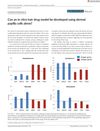
February 2021 in “Experimental dermatology” Dermal papilla microtissues could be useful for initial hair growth drug testing.
 3 citations
,
April 2018 in “Therapeutic Delivery”
3 citations
,
April 2018 in “Therapeutic Delivery” Hair follicle regeneration and delivery is complex due to many molecular and cellular factors.
 2 citations
,
August 2020 in “Clinical, Cosmetic and Investigational Dermatology”
2 citations
,
August 2020 in “Clinical, Cosmetic and Investigational Dermatology” The hair-growth formula with L-cystine helps protect and grow hair cells.
 December 2016 in “Paleontological Journal”
 Hair growth can be induced by transplanting certain cells, but these cells lose their properties during culturing. The best cell interaction happens in a liquid medium under gravity, and using collagen doesn't help. Future research could focus on using growth factors to stimulate these cells.
 56 citations
,
November 2010 in “Pigment Cell & Melanoma Research”
56 citations
,
November 2010 in “Pigment Cell & Melanoma Research” Brain hormones significantly affect hair color and could potentially be used to prevent or reverse grey hair.
 32 citations
,
July 2012 in “Stem Cells Translational Medicine”
32 citations
,
July 2012 in “Stem Cells Translational Medicine” Vitamin D3 can help improve hair growth by enhancing the function of specific skin cells and could be useful in hair regeneration treatments.
 27 citations
,
March 2018 in “Biomaterials”
27 citations
,
March 2018 in “Biomaterials” Three specific proteins can turn adult skin cells into hair-growing cells, suggesting a new hair loss treatment.