 59 citations
,
August 2014 in “International Journal of Biological Macromolecules”
59 citations
,
August 2014 in “International Journal of Biological Macromolecules” The study found an efficient method to extract antioxidants from Hibiscus leaves.
34 citations
,
June 2020 in “British journal of dermatology/British journal of dermatology, Supplement” Frontal fibrosing alopecia is linked to increased immune system activity and reduced stem cells, suggesting early treatment targeting this pathway might prevent hair follicle damage.
 April 2017 in “Journal of Investigative Dermatology”
Maidenhair fern extract may help treat COVID-19 symptoms.
 1 citations
,
May 2025 in “International Journal of Advanced Biochemistry Research”
1 citations
,
May 2025 in “International Journal of Advanced Biochemistry Research” Hibiscus rosa sinensis is beneficial for health due to its therapeutic properties and is generally safe.
1 citations
,
February 2022 in “Research journal of pharmacy and technology” Wrightia tinctoria extract may promote hair growth better than minoxidil.
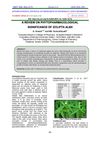 1 citations
,
January 2020 in “International journal of research in pharmacy and chemistry”
1 citations
,
January 2020 in “International journal of research in pharmacy and chemistry” Eclipta alba has many health benefits and potential for medical and nutritional use.
 October 2025 in “Quantum Journal of Medical and Health Sciences”
 Tridax procumbens is a plant with many health benefits, including healing, protecting the liver, fighting infections, and promoting hair growth.
 October 2025 in “Journal of the Korean Society of Cosmetology”
 Dandelion extract mist protects hair from heat damage and improves styling.
 February 2019 in “Journal of the Faculty of Agriculture Kyushu University”
 Terpene concentrations in coniferous trees are highest in spring and summer, making these seasons best for extracting essential oils.
 57 citations
,
January 2003 in “Clinical and experimental dermatology”
57 citations
,
January 2003 in “Clinical and experimental dermatology” Postmenopausal frontal fibrosing alopecia is a type of hair loss in postmenopausal women that may stop on its own but has no effective treatment.
 September 2017 in “Journal of Investigative Dermatology”
 HIF-1A may aid hair growth, Backhousia citriodora improves skin, autologous cells stabilize hair loss, infrared thermography assesses alopecia, and a new treatment preserves hair.
7 citations
,
June 2017 in “Gene” Overexpression of FGF5s makes Chinese Merino sheep grow longer and heavier wool.
4 citations
,
June 2017 in “Annales de dermatologie et de vénéréologie” The study found that a specific type of hair loss is increasingly common in premenopausal women and can be effectively diagnosed and treated with various medications.
February 2025 in “Actas Dermo-Sifiliográficas” Low-dose oral minoxidil can help improve hair and eyebrow growth in people with frontal fibrosing alopecia.
62 citations
,
February 2018 in “Scientia Horticulturae” Mycorrhizal fungi improve root hair growth and nutrient uptake in trifoliate orange, especially when phosphorus is low.
 10 citations
,
January 2013 in “International Journal of Trichology”
10 citations
,
January 2013 in “International Journal of Trichology” More vellus hairs in frontal scalp indicate early female pattern hair loss.
43 citations
,
January 2016 in “Cellular physiology and biochemistry” Epidermal Growth Factor helps hair follicle cells grow and move by activating a specific cell signaling pathway.
28 citations
,
July 1993 in “The journal of investigative dermatology/Journal of investigative dermatology”  1 citations
,
December 2020 in “Medicinskij alfavit”
1 citations
,
December 2020 in “Medicinskij alfavit” Telogen effluvium is a condition that causes temporary hair loss.
 February 2022 in “Journal of Cosmetic Dermatology”
 Women with pattern hair loss may have more stress in their bodies due to a lack of NRF2, a protein. Eating healthy and losing weight could help reduce this stress and improve hair loss. NRF2 boosters might also help treat this type of hair loss.
 March 2026 in “Preprints.org”
 Plerixafor may help treat pigmentation disorders by promoting skin repigmentation.
578 citations
,
April 1993 in “Cell” TGFα gene mutation in mice causes abnormal skin, wavy hair, curly whiskers, and sometimes eye inflammation.
 November 2024 in “GSC Biological and Pharmaceutical Sciences”
 Black mulberry may promote hair growth and improve scalp health.
July 2020 in “Zenodo (CERN European Organization for Nuclear Research)” HairFortin may help reduce hair loss and promote regrowth.
March 2025 in “Revista Foco” Early diagnosis of Alopecia Frontal Fibrosante is crucial for effective treatment.
September 2012 in “Turkish Journal of Dermatology” Erythema multiforme-like lesions can occur in lupus without drug use or herpes infection.
 3 citations
,
March 2014 in “Veterinary dermatology”
3 citations
,
March 2014 in “Veterinary dermatology” Norwegian puffin dogs have a unique type of hair loss that often doesn't get better on its own and responds well to ciclosporin treatment.
Thymosin β4 helps with healing, inflammation, and organ protection.
20 citations
,
June 2019 in “JAAD Case Reports” Tofacitinib can cause skin eruptions similar to palmoplantar pustulosis.