May 2023 in “Pharmaceuticals” Three specific mutations in the LIPH gene can cause hair loss by damaging the protein's structure and function.
 7 citations
,
January 2019 in “Australasian Journal of Dermatology”
7 citations
,
January 2019 in “Australasian Journal of Dermatology” A genetic marker linked to a type of hair loss was found in most patients studied.
 1 citations
,
January 2021 in “Journal of biological chemistry/The Journal of biological chemistry”
1 citations
,
January 2021 in “Journal of biological chemistry/The Journal of biological chemistry” FLCN helps control iron levels in cells.
 September 2016 in “Journal of Dermatological Science”
 Certain gene mutations in Japanese people are linked to different types of hair loss, with some causing mild hair thinning and others leading to complete baldness.
 12 citations
,
January 2015 in “Indian Journal of Dermatology, Venereology and Leprology”
12 citations
,
January 2015 in “Indian Journal of Dermatology, Venereology and Leprology” A mother and daughter with similar hair loss conditions and identical HLA types suggest a genetic link between the conditions.
 April 2012 in “Informa Healthcare eBooks”
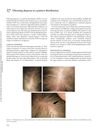
 Fibrosing alopecia in a pattern distribution is a unique hair loss condition with inflammation and scarring, resembling but distinct from common balding.
 September 2021 in “CRC Press eBooks”
 Fibrosing alopecia in a pattern distribution is a type of hair loss that may often be overlooked, especially in men.
44 citations
,
April 2013 in “Proceedings of the National Academy of Sciences of the United States of America” FGF13 gene changes cause excessive hair growth in a rare condition.
1 citations
,
September 2020 in “Journal of dermatology” Researchers found a new mutation in the LIPH gene of a woman with a rare hair condition.
 April 2023 in “Journal of Investigative Dermatology”
 The study suggests fibrosing alopecia in a pattern distribution has distinct features and may vary by race.
 145 citations
,
March 2010 in “Fertility and Sterility”
145 citations
,
March 2010 in “Fertility and Sterility” Different types of polycystic ovary syndrome (PCOS) have varying severity, with Type I being the most severe and common.
16 citations
,
July 2021 in “American Journal of Medical Genetics Part A” Mutations in the LSS gene cause hair loss and may affect brain development, with varying severity.
 July 2022 in “Research Square (Research Square)”
 Lower PPARγ levels and specific gene variations are linked to more severe Frontal Fibrosing Alopecia.
 April 2023 in “The journal of investigative dermatology/Journal of investigative dermatology”
 Folliculotropic mycosis fungoides has unique molecular features and cell interactions that could guide targeted therapy.
 10 citations
,
June 2005 in “The journal of investigative dermatology/Journal of investigative dermatology”
10 citations
,
June 2005 in “The journal of investigative dermatology/Journal of investigative dermatology” FP-1 is a key protein in rat hair growth, active only during the growth phase.
 1 citations
,
December 2018 in “Journal of genetic medicine”
1 citations
,
December 2018 in “Journal of genetic medicine” A small change in the TRPS1 gene leads to a less severe form of a syndrome affecting hair, nose, and finger development.
 2 citations
,
April 2021 in “Reproductive health of woman”
2 citations
,
April 2021 in “Reproductive health of woman” Most women with polycystic ovary syndrome (PCOS) have menstrual issues, infertility, acne, and excessive body hair, with the most common type being the non-androgenic phenotype.
73 citations
,
June 2006 in “Animal genetics” The FGF5 gene determines hair length in dogs.
 13 citations
,
March 2020 in “Genes”
13 citations
,
March 2020 in “Genes” Disrupting the FGF5 gene in rabbits leads to longer hair by extending the hair growth phase.
 225 citations
,
April 2018 in “Journal of Investigative Dermatology”
225 citations
,
April 2018 in “Journal of Investigative Dermatology” Two main types of fibroblasts with unique functions and additional subtypes were identified in human skin.
 August 2025 in “International Journal of Contemporary Pediatrics”
 HLD10 can include increased body hair and Mongolian spots.
 November 2025 in “Clinical Cosmetic and Investigational Dermatology”
 LIPH mutations cause woolly hair in some Chinese people.
 1 citations
,
December 2023 in “Curēus”
1 citations
,
December 2023 in “Curēus” Most children with a common hemochromatosis genotype had elevated iron levels but no severe symptoms.
 12 citations
,
July 2016 in “British journal of dermatology/British journal of dermatology, Supplement”
12 citations
,
July 2016 in “British journal of dermatology/British journal of dermatology, Supplement” Different hair fiber development might explain why hair loss severity varies in patients with a specific genetic mutation, and treatments that thicken hair could help.
 December 2022 in “Journal of neurodevelopmental disorders”
 Hair follicle sampling is a practical method for measuring biomarkers in children with and without Fragile X syndrome.
 July 2022 in “Postepy biochemii”
 DNA markers can predict physical traits for forensic use, but there are ethical and technical challenges.
 7 citations
,
August 2021 in “Journal of the European Academy of Dermatology and Venereology”
7 citations
,
August 2021 in “Journal of the European Academy of Dermatology and Venereology” Early treatment of fibrosing alopecia in a pattern distribution may improve outcomes.
53 citations
,
July 2002 in “Journal of Investigative Dermatology” The Dfl mutation in mice causes poor sebaceous gland function and complete hair loss.
 August 2016 in “Journal of Investigative Dermatology”
 Researchers found a new genetic mutation linked to a hair condition in a Japanese boy.
 16 citations
,
February 2010 in “Journal of the European Academy of Dermatology and Venereology”
16 citations
,
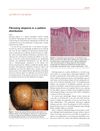
February 2010 in “Journal of the European Academy of Dermatology and Venereology” Fibrosing alopecia in a pattern distribution is a unique hair loss condition that may respond to antiandrogen therapy.