Laser hair removal may cause skin changes that prevent hair regrowth.
 April 2024 in “Cognizance journal”
 The alexandrite laser effectively reduces unwanted hair by about 75%.
 23 citations
,
September 2020 in “Journal of Cosmetic Dermatology”
23 citations
,
September 2020 in “Journal of Cosmetic Dermatology” Injectable Platelet-Rich Fibrin (I-PRF) showed positive results for treating hair loss, skin texture, wrinkles, and wounds.
January 2026 in “Updates in clinical dermatology” October 2022 in “Hair Transplantation” New FUE systems have greatly improved hair restoration surgery.
 January 2025 in “Lasers in Medical Science”
 CO2 fractional laser treatment helped regrow hair in a 13-year-old with alopecia areata.
 April 2026 in “International Journal of Research in Dermatology”
 Laser therapies may improve scarring alopecia, but more research is needed.
 March 2020 in “Faculty Opinions – Post-Publication Peer Review of the Biomedical Literature”
 Combining nonablative fractional laser with minoxidil was effective for alopecia areata with only one patient relapsing after a year.
 November 2024 in “Fizioterapevt (Physiotherapist)”
 Combined therapy is highly effective for treating diffuse alopecia.
 33 citations
,
May 2019 in “Aesthetic Plastic Surgery”
33 citations
,
May 2019 in “Aesthetic Plastic Surgery” Using hyaluronic acid fillers and laser together is generally safe and effective for facial rejuvenation, but careful planning is needed.
Non-ablative Er:YAG-laser treatment helps improve life quality for menopausal women with hair loss.
 January 2025 in “Lasers in Medical Science”
 Combining fractional CO2 laser with topical dutasteride is more effective for treating male hair loss than using the laser alone.
May 2026 in “Journal of Cosmetic Dermatology” Fractional laser therapy effectively and safely improves hair density in androgenetic alopecia.
 1 citations
,
August 2022 in “International journal of women’s dermatology”
1 citations
,
August 2022 in “International journal of women’s dermatology” Botox injections may be a safe and effective way to treat severe, itchy skin disease when other treatments fail.
 3 citations
,
June 2017 in “Aesthetic plastic surgery”
3 citations
,
June 2017 in “Aesthetic plastic surgery” The new facial treatment improved wrinkles and skin thickness, with most patients seeing results within a month, despite some temporary swelling and bruising.
 7 citations
,
August 2018 in “Journal of Cosmetic and Laser Therapy”
7 citations
,
August 2018 in “Journal of Cosmetic and Laser Therapy” Microneedling combined with skinbooster effectively treats striae rubrae, with confocal microscopy confirming collagen changes.
1 citations
,
November 2016 in “Experimental and Therapeutic Medicine” Low-dose 800 nm laser effectively treats blackheads and coarse pores without harming cell growth.
 January 2025 in “Facial Plastic Surgery”
 Exosomes could improve facial surgery recovery and aesthetics, but they're still experimental.
23 citations
,
May 2013 in “Facial Plastic Surgery Clinics of North America” Autologous cell therapy can reduce facial wrinkles effectively.
16 citations
,
January 2023 in “Journal of Cosmetic Dermatology” Micro-needling with 5-FU is more effective for vitiligo than tacrolimus alone.
 January 2025 in “Dialnet (Universidad de la Rioja)”
 ADSC-enriched fat grafting is the best and safest aesthetic treatment, combining effectiveness and ethical confidence.
 15 citations
,
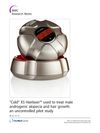
February 2014 in “BMC Research Notes”
15 citations
,
February 2014 in “BMC Research Notes” The X5 Hairlaser might help treat male hair loss, but more research is needed.
 March 2026 in “Preprints.org”
 Plerixafor may help treat pigmentation disorders by promoting skin repigmentation.
 67 citations
,
October 1997 in “Dermatologic Surgery”
67 citations
,
October 1997 in “Dermatologic Surgery” The EpiLight Hair Removal System removed about 60% of hair with some side effects, and more research is needed to confirm long-term effectiveness.
 13 citations
,
February 2020 in “Journal of the American Academy of Dermatology”
13 citations
,
February 2020 in “Journal of the American Academy of Dermatology” Microneedling and oral tranexamic acid both improve facial melasma, but microneedling shows more sustained benefits.
July 2002 in “Journal of Cosmetic Dermatology” Laser and Eflornithine are more effective for hair removal than traditional methods.
40 citations
,
September 2012 in “European Journal of Dermatology” Laser hair removal significantly improves acne keloidalis nuchae, especially with early treatment.
January 2019 in “Dermatologic Surgery” October 2013 in “CRC Press eBooks” Low-level light therapy is used in cosmetics and dermatology to repair skin, reduce inflammation, and treat various skin conditions.