 September 2001 in “Dermatologic Surgery”
 Scalp surgery guidelines ensure best cosmetic results and fewer complications.
 6 citations
,
September 1993 in “The Journal of Dermatologic Surgery and Oncology”
6 citations
,
September 1993 in “The Journal of Dermatologic Surgery and Oncology” Using tissue adhesive in hair transplants improves results and patient satisfaction, with fewer complications.
 2 citations
,
June 2012 in “Journal of Cosmetic Dermatology”
2 citations
,
June 2012 in “Journal of Cosmetic Dermatology” Hair transplant using beard hair made acne scars on cheeks less visible with minimal scarring in the donor area.
1 citations
,
August 2025 in “Biology Direct” Adipose tissue therapies have advanced from tissue to cell and cell-free treatments, showing promise but also limitations.
 185 citations
,
February 2018 in “Journal of Investigative Dermatology”
185 citations
,
February 2018 in “Journal of Investigative Dermatology” Melatonin may benefit skin health and could be a promising treatment in dermatology.
Multiphoton microscopy helps understand and improve vitiligo treatments by visualizing skin cell changes.
 1 citations
,
February 2015 in “Clinical and Experimental Dermatology”
1 citations
,
February 2015 in “Clinical and Experimental Dermatology” A man got six skin cancers within a year after a cell transplant for leukemia but was cancer-free 32 months later; skin checks are important post-transplant.
Stem cell treatments show promise for improving skin and hair, but need more research and standardization.
83 citations
,
September 2021 in “Advanced functional materials” The DNA hydrogel helps heal diabetic wounds by absorbing fluids, warming, sticking to tissue, killing bacteria, and aiding tissue and hair regrowth.
 January 2018 in “General internal medicine and clinical innovations”
 Busulfan/cyclophosphamide and total bone irradiation are equally effective for AML transplants.
 16 citations
,
March 2018 in “Plastic and Reconstructive Surgery – Global Open”
16 citations
,
March 2018 in “Plastic and Reconstructive Surgery – Global Open” Early surgical treatment for severe facial injuries from high-energy impacts leads to better recovery.
May 2013 in “Plastic & Reconstructive Surgery” The authors clarified their surgical technique to prevent complications and improve dental implant outcomes.
 3 citations
,
August 2011 in “InTech eBooks”
3 citations
,
August 2011 in “InTech eBooks” The document concludes that skin grafts are essential for repairing tissue loss, with various types available and ongoing research into substitutes to improve outcomes and reduce donor site issues.
 14 citations
,
May 2004 in “Annals of Plastic Surgery”
14 citations
,
May 2004 in “Annals of Plastic Surgery” Composite flaps are better than muscle-only flaps for long-term skull coverage.
 7 citations
,
September 2017 in “Journal der Deutschen Dermatologischen Gesellschaft”
7 citations
,
September 2017 in “Journal der Deutschen Dermatologischen Gesellschaft” Occipital donor sites for skin grafts heal faster, hurt less, look better, and have fewer complications than femoral sites.
 8 citations
,
May 2019 in “Indian Journal of Plastic Surgery/Indian journal of plastic surgery”
8 citations
,
May 2019 in “Indian Journal of Plastic Surgery/Indian journal of plastic surgery” Plasma is better than Ringer's lactate for hair graft survival and growth after transplantation.
 7 citations
,
August 2015 in “Journal der Deutschen Dermatologischen Gesellschaft”
7 citations
,
August 2015 in “Journal der Deutschen Dermatologischen Gesellschaft” Scalp-to-scalp skin grafts quickly heal and hide well under regrown hair, making them good for repairing large scalp defects.
 52 citations
,
February 2012 in “Plastic Surgery International”
52 citations
,
February 2012 in “Plastic Surgery International” Skin grafting is a key procedure for repairing skin defects, with the success depending on the right graft choice, donor site management, and aftercare.
 19 citations
,
January 2007 in “Journal of medical investigation”
19 citations
,
January 2007 in “Journal of medical investigation” GFP transgenic mice help study cell origins in skin grafts.
 July 2025 in “Bulgarian Portal for Open Science”
 Granulation and epithelialization are crucial for healing large skin wounds.
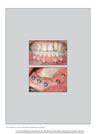 June 2017 in “International Journal of Periodontics & Restorative Dentistry”
 Using skin grafts from behind the ear for oral surgery in two patients with jaw injuries led to successful healing and good results.
 131 citations
,
November 1998 in “The journal of investigative dermatology/Journal of investigative dermatology”
131 citations
,
November 1998 in “The journal of investigative dermatology/Journal of investigative dermatology” Skin grafts on mice can cause an immune response leading to hair loss, useful for studying human hair loss conditions.
 58 citations
,
April 2012 in “Journal of the American Academy of Dermatology”
58 citations
,
April 2012 in “Journal of the American Academy of Dermatology” Graft-versus-host disease is a complication where donor immune cells attack the recipient's body, often affecting the skin, liver, and gastrointestinal tract.
 22 citations
,
December 1998 in “Dermatologic Surgery”
22 citations
,
December 1998 in “Dermatologic Surgery” A new storage solution may increase hair transplant graft survival.
 17 citations
,
January 2010 in “PubMed”
17 citations
,
January 2010 in “PubMed” Optimal storage solutions and effective additives are crucial for improving the survival of hair transplant grafts.
 13 citations
,
March 1998 in “Journal of Biomedical Materials Research”
13 citations
,
March 1998 in “Journal of Biomedical Materials Research” Island grafts can help study skin regeneration separately from other healing processes.
 12 citations
,
January 2010 in “Hair transplant forum international”
12 citations
,
January 2010 in “Hair transplant forum international” The survival rates of hair grafts are similar regardless of how they are trimmed.
 4 citations
,
October 2020 in “Journal of oral and maxillofacial surgery”
4 citations
,
October 2020 in “Journal of oral and maxillofacial surgery” Tisseel shows promise for bone graft stabilization but needs more clinical trials to confirm its effectiveness.
 4 citations
,
December 2007 in “Dermatologic Surgery”
4 citations
,
December 2007 in “Dermatologic Surgery” 3% hydrogen peroxide does not harm hair graft survival compared to saline.
 February 2018 in “Dermatologic Surgery”
 Nonshaven follicular unit extraction is a highly satisfactory method for restoring pubic hair.