 February 1938 in “Journal of the American Medical Association”
 Washing can prevent cancer from lubricating oils, extreme body temperatures need more study, Sulfomid is not recognized, no reliable diphtheria carrier treatment except surgery, eyelid injuries should heal before repair, heterophile antibody test is specific for mononucleosis, chlorine inhalations for colds are outdated, and wheat germ is safe.
 February 2002 in “Dermatologic Surgery”
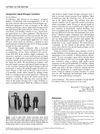
 A cheap stainless steel container from a retail store can store liquid nitrogen effectively for 8-12 hours, offering a cost-effective alternative to specialized medical containers.
The bio-patch improves wound healing by reducing stress, inflammation, and promoting blood vessel growth.
 1 citations
,
September 2005 in “Oncology times”
1 citations
,
September 2005 in “Oncology times” Wearing a frozen glove during chemotherapy can reduce nail and skin problems but may not be comfortable for everyone.
June 2026 in “Virtual and Physical Prototyping” A new method creates precise, stable microscale structures with reduced friction and potential for complex designs.
 58 citations
,
March 1985 in “Journal of The American Academy of Dermatology”
58 citations
,
March 1985 in “Journal of The American Academy of Dermatology” The document concludes that electrolysis and thermolysis can permanently remove hair but calls for better regulation to ensure safety, and notes a possibility of hair regrowth and rare complications.
20 citations
,
November 2012 in “Methods in molecular biology” Superhydrophobic surfaces can prevent fouling and enable self-cleaning in microfluidic devices.
October 2024 in “Cosmetics” ATG effectively reduces hair frizz without damaging hair strength.
 22 citations
,
January 2017 in “Advanced Healthcare Materials”
22 citations
,
January 2017 in “Advanced Healthcare Materials” The hydrogels help harvest cells while preserving their mechanical memory, which could improve wound healing.
 April 2023 in “Journal of Investigative Dermatology”
 Cold temperatures reduce sprouted seed extract yield, but PSR™ technology produces extracts with more beneficial compounds than conventional methods.
February 2026 in “Biomaterials” BOOST is a promising, easy-to-use treatment for diabetic foot ulcers that improves healing by reducing inflammation and promoting blood vessel growth.
June 2025 in “Problems of Cryobiology and Cryomedicine” Low temperatures don't harm hyaluronic acid's healing abilities.
57 citations
,
December 2011 in “Lasers in Surgery and Medicine” Selective photothermolysis can target sebaceous glands and may treat acne effectively.
39 citations
,
January 2006 in “Journal of Cosmetic and Laser Therapy” Pneumatic Skin Flattening (PSF) significantly reduces pain during laser and IPL hair removal.
July 2025 in “Journal of Investigative Dermatology” The new anti-aging ingredient improves skin hydration, elasticity, and reduces wrinkles.
11 citations
,
October 2020 in “PLoS ONE” Cooling can protect hair follicles from chemotherapy damage by reducing drug uptake.
7 citations
,
March 2021 in “IntechOpen eBooks” RF energy is used in medical and beauty treatments to heat tissues, tighten skin, and reduce fat safely.
The treatment showed promising hair regrowth in advanced-stage hair loss.
 6 citations
,
January 2012 in “Hair transplant forum international”
6 citations
,
January 2012 in “Hair transplant forum international” Best solution for storing hair grafts is saline with ATP at 4 degrees Celsius, but no definitive best method was confirmed.
 31 citations
,
September 1999 in “Dermatologic Surgery”
31 citations
,
September 1999 in “Dermatologic Surgery” Cooling hair micrografts during transplantation does not improve their survival or growth.
353 citations
,
May 2016 in “TrAC Trends in Analytical Chemistry” Droplet microfluidics improves efficiency and control in chemistry, biology, and nanotechnology.
7 citations
,
October 2019 in “Frontiers in bioengineering and biotechnology” Fusion proteins can protect hair from heat damage.
 December 2017 in “Actas Dermo-Sifiliográficas”
 Scalp cooling reduces chemotherapy-induced hair loss without increasing risk of skin metastases.
January 2012 in “Zhongguo nongye Kexue” The technology can create transgenic cashmere goats with improved wool quality.
1 citations
,
January 2023 in “Frontiers in Physiology” The method allows precise cell removal without harming nearby tissues.
9 citations
,
January 2025 in “Droplet” Precise cell manipulation technologies are advancing but still face challenges in improving accuracy for medical use.
 February 2009 in “Journal of The American Academy of Dermatology”
 Fractional infrared technology is effective and safe for treating cervical laxity.
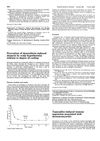 53 citations
,
June 1982 in “The BMJ”
53 citations
,
June 1982 in “The BMJ” Cooling the scalp below 22°C before and during chemotherapy can help prevent hair loss.
July 2021 in “MVP journal of medical science” Liquid Nitrogen Cryotherapy effectively treats unresponsive Alopecia Areata with minimal side effects.