 September 2025 in “Journal of the American Academy of Dermatology”
 Reducing SFRP1 can promote hair growth and may help treat hair loss.
January 2026 in “International Journal of Biological Macromolecules” Small KP peptide improves hair without reducing agents, while larger proteins need them for better results.
4 citations
,
July 2025 in “Frontiers in Pharmacology” Cooling with antioxidants helps protect hair during chemotherapy.
2 citations
,
December 2024 in “JAAD reviews.” Modifying grooming techniques and using treatments like chemical depilatories or laser hair removal can help manage Pseudofolliculitis barbae.
 19 citations
,
July 2018 in “ACS biomaterials science & engineering”
19 citations
,
July 2018 in “ACS biomaterials science & engineering” Bleaching and combing damage hair's surface and mechanical properties.
May 2026 in “Cell Reports Medicine” FR-1 reduces skin scarring and promotes healing without harmful effects.
 4 citations
,
June 2019 in “International Journal of Cosmetic Science”
4 citations
,
June 2019 in “International Journal of Cosmetic Science” Heat transfer in hair is slower in groups of hair, increasing the risk of damage from high-temperature styling tools.
11 citations
,
May 2016 in “PubMed” New imaging and testing methods can effectively assess hair shape changes and damage.
2 citations
,
January 2013 in “Journal of cosmetics, dermatological sciences and applications” Using a special shampoo and scalp tonic together can greatly reduce severe dandruff and its causes.
February 2013 in “Journal of the American Academy of Dermatology” The zinc pyrithione hair care system improves scalp hydration and reduces water loss.
6 citations
,
August 2021 in “International Journal of Cosmetic Science” Using antioxidants on the scalp can make it healthier and decrease hair loss.
 December 2017 in “Actas Dermo-Sifiliográficas”
 Scalp cooling reduces chemotherapy-induced hair loss without increasing risk of skin metastases.
1 citations
,
January 1988 Cosmetic treatments after chlorination damage hair more than treatments before.
May 2026 in “International Journal of Health Management Review” Alkaline substances can severely damage hair and scalp health.
 March 2011 in “Focus on surfactants”
 Several companies launched new hair care ingredients in 2011 to improve conditioning, color retention, combability, and heat protection.
9 citations
,
March 2005 in “International Journal of Cosmetic Science” The torsional method effectively evaluates hair damage and the performance of hair care ingredients.
 16 citations
,
January 2007 in “Actas dermo-sifiliográficas/Actas dermo-sifiliográficas”
16 citations
,
January 2007 in “Actas dermo-sifiliográficas/Actas dermo-sifiliográficas” The document concludes that there are no reliable treatments for frontal fibrosing alopecia, with only temporary benefits from current options.
 34 citations
,
October 1982 in “Journal of applied polymer science”
34 citations
,
October 1982 in “Journal of applied polymer science” Moisture content significantly affects how human hair breaks.
 May 2009 in “Medical and surgical dermatology/Medical & surgical dermatology”
 Hair and nail conditions can stabilize or improve over time, and new treatments show promise.
 1 citations
,
May 2014 in “European Journal of Inflammation”
1 citations
,
May 2014 in “European Journal of Inflammation” A lotion with minoxidil, hydrocortisone butyrate, and 17a-estradiol can improve or stabilize Frontal Fibrosing Alopecia in some cases, but there's no universally-accepted treatment yet.
5 citations
,
November 2023 in “Journal of Advanced Research” New methods may change hair color and shape from the root, revolutionizing hair styling.
2 citations
,
October 2007 in “PubMed” Topical scalp treatments could potentially reduce hair extraction.
September 2016 in “한국임상약학회지” Ibuprofen, menthol, and cetirizine may help prevent or slow hair loss.
Fructus Ligustri Lucidi water extract helps hair growth by promoting cell survival and activating specific pathways.
October 2025 in “International Journal of Cosmetic Science” Conditioners improve hair manageability but don't repair damage.
70 citations
,
June 1998 in “Polymer” Permanent waving damages hair by disrupting its keratin structure.
1 citations
,
April 2013 in “Pakistan Journal of Biological Sciences” Hair coloring, waving, and ironing cause more hair damage than not using these treatments.
 1 citations
,
December 2022 in “Journal of applied biological chemistry”
1 citations
,
December 2022 in “Journal of applied biological chemistry” TRP-hair essence protects hair from heat damage, maintains color, and strengthens hair.
 September 2017 in “Journal of Investigative Dermatology”
 The new scalp treatment preserves hair color, reduces hair loss, and maintains hair strength.
 4 citations
,
January 2017 in “Annals of Dermatology”
4 citations
,
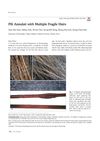
January 2017 in “Annals of Dermatology” Frequent hairdryer use may worsen hair fragility in people with Pili Annulati.