
The study concluded that Frontal fibrosing alopecia can affect younger people, is often missed in men, and may be autoimmune-related.
4 citations
,
November 2016 in “The Journal of Dermatology” Pili torti hair is fragile due to loose keratin filaments and weak disulfide bonds.
 1 citations
,
January 2016 in “International journal of research in ayurveda and pharmacy”
1 citations
,
January 2016 in “International journal of research in ayurveda and pharmacy” The study found that a specific combination of five medicinal plants effectively inhibits the fungus that causes dandruff.
 March 2025 in “Journal of Clinical Medicine”
 Frontal fibrosing alopecia in men is often misdiagnosed and needs better diagnostic criteria and treatment strategies.
2 citations
,
January 1990  December 2024 in “Deleted Journal”
 Flaxseed can naturally smooth and improve hair health.
 8 citations
,
October 2016 in “Actas Dermo-Sifiliográficas”
8 citations
,
October 2016 in “Actas Dermo-Sifiliográficas” FFA in men, often mistaken for other hair loss types, may be more common than thought and needs larger studies for confirmation.
 January 2022 in “Acta dermatovenerologica Alpina, Pannonica et Adriatica (Tiskana izd.)”
 Uncombable hair syndrome causes frizzy hair and can affect the nervous system, eyes, and ears, often co-occurring with other hair, skin, nail, and teeth conditions, and is linked to three specific gene mutations.
July 2022 in “Zenodo (CERN European Organization for Nuclear Research)”  41 citations
,
July 2017 in “Journal of The American Academy of Dermatology”
41 citations
,
July 2017 in “Journal of The American Academy of Dermatology” Men with Frontal fibrosing alopecia typically lose hair on the front scalp and sometimes on sideburns and upper lip, with treatments showing varied success.

The conclusion cannot be provided because the document is not accessible.
9 citations
,
September 2014 in “British journal of dermatology/British journal of dermatology, Supplement” Pseudofolliculitis cutis causes painful skin bumps and needs proper shaving and treatments to manage.
2 citations
,
September 1997 in “Archives of Dermatology” 2 citations
,
May 2004 in “SKINmed/Skinmed” Proper shaving techniques and treatments can help prevent and manage ingrown hairs and inflammation in people with curly hair.
 23 citations
,
April 2021 in “Journal of Clinical Medicine”
23 citations
,
April 2021 in “Journal of Clinical Medicine” Frontal Fibrosing Alopecia's cause is unclear, affects mainly postmenopausal women, and current treatments focus on stopping hair loss rather than regrowth.
2 citations
,
January 2017 Hair movement can indicate hair quality and health.
May 2022 in “International Journal of Trichology” May 1997 in “International Society of Hair Restoration Surgery” February 2026 in “Zenodo (CERN European Organization for Nuclear Research)” February 2026 in “Zenodo (CERN European Organization for Nuclear Research)” 1 citations
,
August 2024 in “Anais Brasileiros de Dermatologia” Recognizing skin symptoms helps diagnose and treat frontal fibrosing alopecia.
 9 citations
,
August 2014 in “Journal of The American Academy of Dermatology”
9 citations
,
August 2014 in “Journal of The American Academy of Dermatology” Hormonal imbalances may play a role in frontal fibrosing alopecia, and antiandrogenic drugs combined with steroids are currently the most effective treatment.
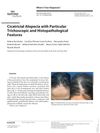 November 2018 in “Skin appendage disorders”
 The document concludes that a woman has both Frontal Fibrosing Alopecia and Lichen Simplex Chronicus, a previously unreported combination of conditions.
50 citations
,
September 2012 in “Developmental Biology” Sprouty and FGF balance is crucial for normal feather shape and size.
 April 2018 in “The journal of investigative dermatology/Journal of investigative dermatology”
 Aging causes changes in scalp cells that can negatively affect hair health.
75 citations
,
October 1999 in “Differentiation” Mouse keratin 6 isoforms have different expression patterns in various tissues.
Iron and zinc deficiencies may be treated to help female hair loss.
 1 citations
,
January 2009 in “Elsevier eBooks”
1 citations
,
January 2009 in “Elsevier eBooks” Combining proper shaving, topical treatments, and laser therapy effectively reduces Pseudofolliculitis Barbae.
15 citations
,
January 2015 in “Skin Appendage Disorders” Increased scalp sweating in frontal fibrosing alopecia may be linked to local skin inflammation.
 September 2024 in “Journal of the American Academy of Dermatology”
 Using gratitude journals can improve perceived hair loss and quality of life in women.