13 citations
,
August 2013 in “International Journal of Dermatology” Frontal fibrosing alopecia can affect African men and may be underdiagnosed.
 4 citations
,
January 2020 in “Skin appendage disorders”
4 citations
,
January 2020 in “Skin appendage disorders” A woman with an unusual pattern of hair loss was confirmed to have Frontal Fibrosing Alopecia and treated with specific medications.
 1 citations
,
July 2023 in “Journal of Clinical Medicine”
1 citations
,
July 2023 in “Journal of Clinical Medicine” Different causes of beard hair loss have various treatments, including medications, lifestyle changes, and procedures to stimulate hair growth.
 9 citations
,
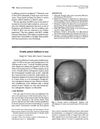
November 1993 in “Journal of The American Academy of Dermatology”
9 citations
,
November 1993 in “Journal of The American Academy of Dermatology” Some men can have female pattern baldness without hormonal abnormalities or signs of feminization.
 5 citations
,
September 2020 in “Journal of The American Academy of Dermatology”
5 citations
,
September 2020 in “Journal of The American Academy of Dermatology” Men can experience female pattern hair loss, needing different treatments.
 18 citations
,
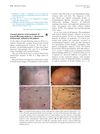
June 2017 in “Journal of The American Academy of Dermatology”
18 citations
,
June 2017 in “Journal of The American Academy of Dermatology” Trichoscopy helps diagnose frontal fibrosing alopecia, even with unusual patterns.
74 citations
,
April 2017 in “JEADV. Journal of the European Academy of Dermatology and Venereology/Journal of the European Academy of Dermatology and Venereology” Researchers found three patterns of Frontal fibrosing alopecia, with Pattern III having the best prognosis after treatment.
 1 citations
,
October 2008 in “Expert Review of Dermatology”
1 citations
,
October 2008 in “Expert Review of Dermatology” Frontal Fibrosing Alopecia is a slowly progressing hair loss condition, likely underdiagnosed, with ineffective treatments, needing more research to understand it fully.
March 2005 in “Journal of the American Academy of Dermatology” Cosmetic treatments can replenish key amino acids in damaged hair, improving its strength and appearance.
 1 citations
,
July 2016 in “British Journal of Dermatology”
1 citations
,
July 2016 in “British Journal of Dermatology” Men with a certain type of hair loss often use facial moisturizers, and a specific antibiotic treatment may help another hair condition.
 1 citations
,
March 2020 in “Australasian Journal of Dermatology”
1 citations
,
March 2020 in “Australasian Journal of Dermatology” The paper concludes that recognizing bitemporal alopecia areata is important for early treatment and preventing its progression.
 1 citations
,
July 2016 in “Prescriber”
1 citations
,
July 2016 in “Prescriber” Minoxidil and spironolactone slow hair loss in women.
 60 citations
,
April 2018 in “Clinical, cosmetic and investigational dermatology”
60 citations
,
April 2018 in “Clinical, cosmetic and investigational dermatology” Tight hairstyles and chemical relaxers can cause hair loss known as traction alopecia.
January 1995 in “대한피부과학회지” Koreans have a lower rate of androgenetic alopecia than Caucasians, with men experiencing later baldness.
 14 citations
,
July 1987 in “Dermatologic Clinics”
14 citations
,
July 1987 in “Dermatologic Clinics” The document concludes that treating female hair loss should target reducing excess androgen and blocking its effects on hair follicles, with the best treatments being hormonal therapy, adrenal suppression, and topical minoxidil.
 2 citations
,
June 2016 in “Dermatologic Clinics”
2 citations
,
June 2016 in “Dermatologic Clinics” Dermatologists often neglect hair disorders due to complexity and lack of clear treatments, impacting patient care and highlighting the need for better education and interest in this area.
 49 citations
,
January 2003 in “Clinical and Experimental Dermatology”
49 citations
,
January 2003 in “Clinical and Experimental Dermatology” The document concludes that post-menopausal frontal fibrosing alopecia is a poorly understood condition that does not respond well to common treatments.
 26 citations
,
August 2016 in “Actas Dermo-Sifiliográficas”
26 citations
,
August 2016 in “Actas Dermo-Sifiliográficas” Frontal Fibrosing Alopecia in men is often missed and can come with symptoms like facial bumps and hair loss on eyebrows and limbs.
May 2026 in “International Journal of Dermatology” This type of alopecia areata shows limited hair regrowth and poor response to treatment.
 September 2023 in “Journal of The American Academy of Dermatology”
 Adolescents with hair loss show different hormone levels by sex and often have related metabolic issues.
 64 citations
,
January 2005 in “International Journal of Dermatology”
64 citations
,
January 2005 in “International Journal of Dermatology” Hair transplant destroyed by lichen planopilaris.
 4 citations
,
February 2020 in “Journal of Cosmetic Dermatology”
4 citations
,
February 2020 in “Journal of Cosmetic Dermatology” Trichoscopy helps diagnose hairline recession causes in Egyptian women, with androgenetic alopecia being the most common.
 2 citations
,
June 2000 in “Journal of Oral and Maxillofacial Surgery”
2 citations
,
June 2000 in “Journal of Oral and Maxillofacial Surgery” Hair transplantation techniques have improved over time, leading to natural-looking results and high graft survival rates, making it a popular treatment for hair loss.
 October 2023 in “Dermatology practical & conceptual”
 Folliculitis Decalvans and Frontal Fibrosing Alopecia can coexist in people with darker skin, showing features of both conditions.
 40 citations
,
December 1980 in “The Journal of Dermatologic Surgery and Oncology”
40 citations
,
December 1980 in “The Journal of Dermatologic Surgery and Oncology” An improved scalp reduction technique reduces the need for hair grafts and has minimal complications.
 33 citations
,
January 2015 in “Journal of Cosmetic Dermatology”
33 citations
,
January 2015 in “Journal of Cosmetic Dermatology” Familial frontal fibrosing alopecia affects premenopausal women too, and early diagnosis is important, but no proven medication exists yet.
 9 citations
,
January 2020 in “Skin appendage disorders”
9 citations
,
January 2020 in “Skin appendage disorders” Hair loss from conditions like LPP and FFA can potentially be reversed with the right treatment.
 339 citations
,
February 2014 in “Journal of The American Academy of Dermatology”
339 citations
,
February 2014 in “Journal of The American Academy of Dermatology” Most patients with frontal fibrosing alopecia are postmenopausal women, and treatments like finasteride and dutasteride can improve or stabilize the condition.
 41 citations
,
July 2017 in “Journal of The American Academy of Dermatology”
41 citations
,
July 2017 in “Journal of The American Academy of Dermatology” Men with Frontal fibrosing alopecia typically lose hair on the front scalp and sometimes on sideburns and upper lip, with treatments showing varied success.
 9 citations
,
August 2018 in “Journal der Deutschen Dermatologischen Gesellschaft”
9 citations
,
August 2018 in “Journal der Deutschen Dermatologischen Gesellschaft” Most patients with frontal fibrosing alopecia are middle-aged women, often have thyroid disease, and some treatments can help stabilize the condition.