 March 2023 in “Journal of clinical review & case reports”
 Frontal Fibrosing Alopecia mainly affects postmenopausal Mexican women, requiring early detection to prevent permanent hair loss.
159 citations
,
August 2010 in “British journal of dermatology/British journal of dermatology, Supplement” Hydroxychloroquine effectively reduces symptoms of frontal fibrosing alopecia, especially in the first 6 months.
22 citations
,
July 2017 in “Australasian journal of dermatology” Hair transplantation can effectively restore hair in patients with stable lichen planopilaris or frontal fibrosing alopecia.
 7 citations
,
August 2019 in “Clinical and Experimental Dermatology”
7 citations
,
August 2019 in “Clinical and Experimental Dermatology” The Mona Lisa's high forehead and sparse eyebrows might be due to a hair loss condition or Renaissance fashion trends, but the actual reason is unknown.
 6 citations
,
January 2019 in “Medical Hypotheses”
6 citations
,
January 2019 in “Medical Hypotheses” Frontal Fibrosing Alopecia might be an autoimmune disease.
4 citations
,
January 2018 in “Annals of dermatology/Annals of Dermatology” Hair transplantation successfully treated hair loss in a patient with Trichorhinophalangeal syndrome.
3 citations
,
January 2025 in “Journal of the American Academy of Dermatology” Early diagnosis and a multidisciplinary approach are crucial for managing Frontal Fibrosing Alopecia.
February 2026 in “Indian Dermatology Online Journal” Tofacitinib significantly improved skin and hair conditions without side effects.
September 2025 in “Brazilian Journal of Health Review” Early diagnosis and less aggressive hair care improve outcomes for Black women with frontal fibrosing alopecia.
 December 2024 in “Brazilian Journal of Health Review”
 Early diagnosis of alopecia frontal fibrosante is crucial, but treatment remains controversial and varies.
 May 2024 in “International Seven Journal of Multidisciplinary”
 More research is needed to better understand and treat Fibrosing Frontal Alopecia.
September 2023 in “Journal of the American Academy of Dermatology” Current guidelines may overlook beard and sideburn involvement in diagnosing frontal fibrosing alopecia in men.
 September 2017 in “Journal of Investigative Dermatology”
 Thermal imaging is a useful non-invasive method to diagnose active inflammation in frontal fibrosing alopecia.
January 2023 in “Dermatologic Therapy” Intralesional corticosteroids and 5-alpha-reductase inhibitors are the best treatments for frontal fibrosing alopecia.
 April 2022 in “JAAD International”
 Women with frontal fibrosing alopecia have similar vitamin D levels to those with other hair loss types, suggesting vitamin D is not a key factor in this condition.
December 2022 in “JEADV Clinical Practice” Hair density and thickness decrease in specific scalp areas in people with androgenetic alopecia.
September 2022 in “International Journal of Trichology” Trichoscopic measurements help determine the severity of female pattern hair loss.
 34 citations
,
December 1991 in “Annals of the New York Academy of Sciences”
34 citations
,
December 1991 in “Annals of the New York Academy of Sciences” The conclusion is that small hair follicles cause baldness in macaques, and treatments like antiandrogens and minoxidil can prevent hair loss and promote regrowth.
February 2023 in “Journal of The American Academy of Dermatology” Low-dose oral minoxidil helps increase hair density in traction alopecia.
15 citations
,
April 2021 in “Annals of Translational Medicine” Facial gender surgery techniques focus on forehead and hairline changes for accurate results.
 130 citations
,
May 1988 in “Journal of The American Academy of Dermatology”
130 citations
,
May 1988 in “Journal of The American Academy of Dermatology” "Male-pattern" hair loss is common in women, especially after menopause, and doesn't always mean there's a problem with hormone balance.
 63 citations
,
October 2011 in “Archives of Dermatology”
63 citations
,
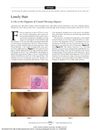
October 2011 in “Archives of Dermatology” Isolated long hairs at the original hairline can help diagnose Frontal Fibrosing Alopecia.
 58 citations
,
November 2020 in “International Journal of Dermatology”
58 citations
,
November 2020 in “International Journal of Dermatology” COVID-19 may cause a temporary hair loss condition called telogen effluvium in some patients after recovery.
19 citations
,
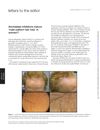
July 2017 in “Clinical and experimental dermatology” Men with lichen planopilaris had earlier onset than women, and treatment usually improved the condition.
 19 citations
,
May 2013 in “Annals of Oncology”
19 citations
,
May 2013 in “Annals of Oncology” Aromatase inhibitors cause male pattern hair loss in women.
 18 citations
,
February 2014 in “PubMed”
18 citations
,
February 2014 in “PubMed” Androgenetic alopecia is a common hair loss condition caused by testosterone effects on hair follicles, leading to thinner, shorter, and less pigmented hair, diagnosed using scalp dermoscopy and treated with topical minoxidil, antiandrogen agents, and 5-alpha reductase inhibitors.
 14 citations
,
July 1987 in “Dermatologic Clinics”
14 citations
,
July 1987 in “Dermatologic Clinics” The document concludes that treating female hair loss should target reducing excess androgen and blocking its effects on hair follicles, with the best treatments being hormonal therapy, adrenal suppression, and topical minoxidil.
 10 citations
,
June 2001 in “International Journal of Cosmetic Surgery and Aesthetic Dermatology”
10 citations
,
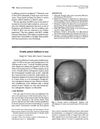
June 2001 in “International Journal of Cosmetic Surgery and Aesthetic Dermatology” Splitting single-hair grafts seems to improve perceived hair fullness without affecting growth, intact grafts grow slightly better, and the Mantis microscope is clear but slower without reducing damage to grafts.
 9 citations
,
November 1993 in “Journal of The American Academy of Dermatology”
9 citations
,
November 1993 in “Journal of The American Academy of Dermatology” Some men can have female pattern baldness without hormonal abnormalities or signs of feminization.
 5 citations
,
September 2011 in “Pediatric Dermatology”
5 citations
,
September 2011 in “Pediatric Dermatology” Two young siblings experienced hair loss without hormone issues or other skin problems.