 1 citations
,
November 2024 in “Archives of Dermatological Research”
1 citations
,
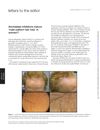
November 2024 in “Archives of Dermatological Research” Early and accurate diagnosis of posterior scalp hair loss is crucial for effective treatment and better outcomes.
 March 2026 in “Dermatology Reports”
 FFA has higher long-term remission rates than LPP.
 September 2025 in “Dermatology Online Journal”
 Biopsy is crucial for diagnosing unusual hair loss causes like lymphoma.
 1 citations
,
February 2014 in “Hair therapy & transplantation”
1 citations
,
February 2014 in “Hair therapy & transplantation” A baby boy had two types of temporary hair loss at birth, which might be two forms of newborn hair loss combined.
 May 2023 in “Frontiers in chemistry”
 Zolpidem shows up in hair from the top back of the head after one dose and fades over time, suggesting it gets into hair through blood and sweat.
 1 citations
,
July 2018 in “Elsevier eBooks”
1 citations
,
July 2018 in “Elsevier eBooks” Triple horizontal scalp biopsies are 98% accurate in diagnosing hair loss, better than single biopsies.
 June 2024 in “Archives of dermatological research”
 Both treatments work, but Minoxidil 0.5% MMP® is better for certain scalp areas and less advanced hair loss.
 19 citations
,
May 2013 in “Annals of Oncology”
19 citations
,
May 2013 in “Annals of Oncology” Aromatase inhibitors cause male pattern hair loss in women.
 June 2026 in “Journal of Cutaneous and Aesthetic Surgery”
 Recipient site scalp necrosis in hair transplantation is linked to microvascular injury and regional vascular vulnerability, especially in the frontal and mid-scalp areas.
January 2022 in “Clinical Cases in Dermatology” A woman has a permanent hair loss condition treated with steroids and new medicines, but hair might not regrow.
 33 citations
,
August 1985 in “Archives of Dermatology”
33 citations
,
August 1985 in “Archives of Dermatology” Acquired Progressive Kinking of Hair is likely an early sign of male pattern baldness.
 2 citations
,
February 2021 in “The Journal of clinical and aesthetic dermatology”
2 citations
,
February 2021 in “The Journal of clinical and aesthetic dermatology” Understanding the cause of bitemporal hair loss is key to deciding the right treatment.

The document concludes that diagnosing female hair loss requires careful examination, with treatments varying by condition and psychological support often necessary.
 38 citations
,
December 2011 in “British Journal of Dermatology”
38 citations
,
December 2011 in “British Journal of Dermatology” Menopause-related hormonal changes affect hair but are not the only cause of hair changes in middle-aged women.
 3 citations
,
April 2011 in “Dermatologic Surgery”
3 citations
,
April 2011 in “Dermatologic Surgery” Different women have various natural hairline shapes, and understanding this is important for designing hair transplants.
 14 citations
,
July 1987 in “Dermatologic Clinics”
14 citations
,
July 1987 in “Dermatologic Clinics” The document concludes that treating female hair loss should target reducing excess androgen and blocking its effects on hair follicles, with the best treatments being hormonal therapy, adrenal suppression, and topical minoxidil.
 1 citations
,
July 2024 in “Skin Research and Technology”
1 citations
,
July 2024 in “Skin Research and Technology” Patients with androgenetic alopecia have thinner subcutaneous fat layers in their frontal scalp compared to healthy individuals.
 126 citations
,
April 2006 in “International Journal of Dermatology”
126 citations
,
April 2006 in “International Journal of Dermatology” The conclusion is that FFA and LPP have similar scalp biopsy features, making them hard to distinguish histologically, and FFA may be a specific kind of scarring hair loss.
 13 citations
,
April 2022 in “Anais brasileiros de dermatologia/Anais Brasileiros de Dermatologia”
13 citations
,
April 2022 in “Anais brasileiros de dermatologia/Anais Brasileiros de Dermatologia” The document concludes that more research is needed to find effective treatments for Lichen planopilaris and Frontal fibrosing alopecia.
 9 citations
,
November 1993 in “Journal of The American Academy of Dermatology”
9 citations
,
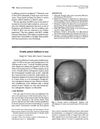
November 1993 in “Journal of The American Academy of Dermatology” Some men can have female pattern baldness without hormonal abnormalities or signs of feminization.
 2 citations
,
May 2005 in “Seminars in Plastic Surgery”
2 citations
,
May 2005 in “Seminars in Plastic Surgery” The Juri Temporo-Parieto-Occipital Flap is a good option for scalp reconstruction and hairline restoration with a natural look, despite some risk of necrosis and scarring.
 1 citations
,
July 2018 in “Elsevier eBooks”
1 citations
,
July 2018 in “Elsevier eBooks” FAPD and possibly CCCA may be AGA subtypes, and treatments combining antiandrogens, hair growth agents, hair transplants, and anti-inflammatories could be effective.
 July 2025 in “Russian Journal of Skin and Venereal Diseases”
 Lichen planus on the scalp can cause scarring hair loss and has four main types.
 129 citations
,
January 2009 in “International Journal of Trichology”
129 citations
,
January 2009 in “International Journal of Trichology” Trichoscopy can diagnose female hair loss with high accuracy by looking for specific patterns in hair and scalp appearance.
 5 citations
,
May 2008 in “Nature Precedings”
5 citations
,
May 2008 in “Nature Precedings” Trichoscopy is a useful non-invasive method to diagnose female hair loss with high accuracy.
 90 citations
,
July 2008 in “Dermatologic therapy”
90 citations
,
July 2008 in “Dermatologic therapy” Lichen planopilaris is a chronic, scarring hair loss condition with no definitive cure, requiring accurate diagnosis and treatment to manage symptoms.
 1 citations
,
June 2001 in “International Journal of Cosmetic Surgery and Aesthetic Dermatology”
1 citations
,
June 2001 in “International Journal of Cosmetic Surgery and Aesthetic Dermatology” The Anchor Flap is an effective, quick treatment for severe baldness but requires skilled surgeons and careful patient selection.
 April 2018 in “Journal of Investigative Dermatology”
 Hair pattern in androgenetic alopecia overlaps with scalp and bone demarcations, with distinct gene profiles affecting susceptibility.
 September 2013 in “Hair transplant forum international”
 The document says doctors should identify and treat Frontal fibrosing alopecia medically before considering surgery, as treatments often don't work well.
 April 2018 in “Journal of Investigative Dermatology”
 Different types of stem cells in the skin contribute to the variety of melanoma forms.