 130 citations
,
May 1988 in “Journal of The American Academy of Dermatology”
130 citations
,
May 1988 in “Journal of The American Academy of Dermatology” "Male-pattern" hair loss is common in women, especially after menopause, and doesn't always mean there's a problem with hormone balance.
 57 citations
,
January 2003 in “Clinical and experimental dermatology”
57 citations
,
January 2003 in “Clinical and experimental dermatology” Postmenopausal frontal fibrosing alopecia is a type of hair loss in postmenopausal women that may stop on its own but has no effective treatment.
 November 2023 in “British Journal of Dermatology”
 Mutations in the WNT10A gene cause Short Anagen Hair syndrome and increase the risk of male pattern hair loss.
 February 2011 in “Journal of the American Academy of Dermatology”
 A 60-year-old man with a long-term balding condition also developed a rare hair loss condition usually seen in postmenopausal women.
 November 2018 in “Skin appendage disorders”
 The document concludes that a woman has both Frontal Fibrosing Alopecia and Lichen Simplex Chronicus, a previously unreported combination of conditions.
 March 2019 in “International Journal of Dermatology”
 Hairline recession makes Asian males look older, especially in mid-young age; proper hairline position can help them look younger.
 3 citations
,
January 2021 in “Plastic and Aesthetic Research”
3 citations
,
January 2021 in “Plastic and Aesthetic Research” Hair loss reduces hair thickness and coverage, but drug treatments mainly revive dormant hairs rather than reverse thinning; patients often undervalue their hair loss severity.
 May 2014 in “JAMA Dermatology”
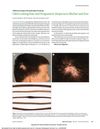
 Mother and son diagnosed with a rare genetic hair loss condition with no effective treatment.
 1 citations
,
October 2008 in “Expert Review of Dermatology”
1 citations
,
October 2008 in “Expert Review of Dermatology” Frontal Fibrosing Alopecia is a slowly progressing hair loss condition, likely underdiagnosed, with ineffective treatments, needing more research to understand it fully.
 12 citations
,
March 2018 in “Anais brasileiros de dermatologia/Anais Brasileiros de Dermatologia”
12 citations
,
March 2018 in “Anais brasileiros de dermatologia/Anais Brasileiros de Dermatologia” A patient had both chronic cutaneous lupus erythematosus and frontal fibrosing alopecia.
 31 citations
,
April 2010 in “British journal of dermatology/British journal of dermatology, Supplement”
31 citations
,
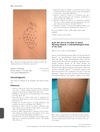
April 2010 in “British journal of dermatology/British journal of dermatology, Supplement” Frontal fibrosing alopecia can cause sudden hair loss on limbs, similar to scalp hair loss.
 September 2017 in “Journal of Investigative Dermatology”
 Thermal imaging is a useful non-invasive method to diagnose active inflammation in frontal fibrosing alopecia.
 23 citations
,
April 2021 in “Journal of Clinical Medicine”
23 citations
,
April 2021 in “Journal of Clinical Medicine” Frontal Fibrosing Alopecia's cause is unclear, affects mainly postmenopausal women, and current treatments focus on stopping hair loss rather than regrowth.
August 2025 in “Cosmetics” Cosmeceuticals like sunscreens may trigger frontal fibrosing alopecia, but more research is needed.
 4 citations
,
January 2020 in “Skin appendage disorders”
4 citations
,
January 2020 in “Skin appendage disorders” A woman with an unusual pattern of hair loss was confirmed to have Frontal Fibrosing Alopecia and treated with specific medications.
 3 citations
,
July 1997 in “Current problems in dermatology”
3 citations
,
July 1997 in “Current problems in dermatology” Hair restoration surgery has evolved over time, with a focus on natural-looking results and managing patient expectations, while also considering potential complications and the lifelong progression of male pattern baldness.
 August 2015 in “Dermatología Argentina”
 Frontal fibrosing alopecia causes hairline recession and eyebrow loss in postmenopausal women.
January 2016 in “Indian dermatology online journal” Frontal fibrosing alopecia causes hair loss at the front hairline, and no effective treatment exists.
 33 citations
,
January 2010 in “Case reports in dermatology”
33 citations
,
January 2010 in “Case reports in dermatology” Dermoscopy helps diagnose frontal fibrosing alopecia by distinguishing it from other hair loss conditions.
 June 2022 in “Revista del Hospital Italiano de Buenos Aires”
 A rare case of a man having both frontal fibrosing alopecia and vitiligo was reported.
 26 citations
,
August 2016 in “Actas Dermo-Sifiliográficas”
26 citations
,
August 2016 in “Actas Dermo-Sifiliográficas” Frontal Fibrosing Alopecia in men is often missed and can come with symptoms like facial bumps and hair loss on eyebrows and limbs.
January 2016 in “Indian dermatology online journal” The patient has frontal fibrosing alopecia (FFA).
 January 2025 in “Indian Journal of Dermatology”
 Frontal fibrosing alopecia is a challenging hair loss condition with no known cause or definitive treatment.
14 citations
,
January 2014 in “Indian Journal of Dermatology Venereology and Leprology” Frontal fibrosing alopecia can affect men's beards and leads to permanent hair loss.
 1 citations
,
May 2018 in “Hair transplant forum international”
1 citations
,
May 2018 in “Hair transplant forum international” Hair transplant techniques and scalp micropigmentation can effectively hide scars and hair loss after cranial surgery.
 125 citations
,
May 2007 in “Journal of The American Academy of Dermatology”
125 citations
,
May 2007 in “Journal of The American Academy of Dermatology” The BASP classification is a detailed and accurate way to categorize hair loss in both men and women.
 32 citations
,
January 2018 in “American Journal of Clinical Dermatology”
32 citations
,
January 2018 in “American Journal of Clinical Dermatology” Hormone therapy affects hair growth in transgender individuals, with testosterone potentially causing hair loss in trans men and estrogen reducing facial/body hair in trans women; treatment options vary.
 58 citations
,
September 2012 in “Dermatologic Clinics”
58 citations
,
September 2012 in “Dermatologic Clinics” Male pattern hair loss caused by follicular miniaturization; early diagnosis and treatment can reduce psychological burden.
 26 citations
,
December 2015 in “Journal of The European Academy of Dermatology and Venereology”
26 citations
,
December 2015 in “Journal of The European Academy of Dermatology and Venereology” New method measures female hair loss: Female Pattern Hair Loss Severity Index (FPHL-SI).
 1 citations
,
July 2016 in “British Journal of Dermatology”
1 citations
,
July 2016 in “British Journal of Dermatology” Men with a certain type of hair loss often use facial moisturizers, and a specific antibiotic treatment may help another hair condition.