July 2020 in “DOAJ (DOAJ: Directory of Open Access Journals)” Excessive sun protection might contribute to frontal fibrosing alopecia.
2 citations
,
June 2024 in “Skin Appendage Disorders” Trichoscopy helps diagnose frontal fibrosing alopecia in Caucasians, but more research is needed.

Baldness is often hereditary and linked to male hormones, becoming noticeable when half the hair is lost.
 18 citations
,
June 2017 in “Journal of The American Academy of Dermatology”
18 citations
,
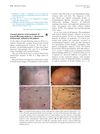
June 2017 in “Journal of The American Academy of Dermatology” Trichoscopy helps diagnose frontal fibrosing alopecia, even with unusual patterns.

The supplement improved hair growth and reduced hair loss in women.
 April 2026 in “Zenodo (CERN European Organization for Nuclear Research)”
 Hair loss is common and varies by type, with androgenetic alopecia being the most prevalent.
 1 citations
,
January 2020 in “Skin appendage disorders”
1 citations
,
January 2020 in “Skin appendage disorders” Finasteride may help treat frontal fibrosing alopecia, but more research is needed.
 14 citations
,
January 2015 in “Current problems in dermatology”
14 citations
,
January 2015 in “Current problems in dermatology” Female pattern hair loss treatments vary in effectiveness and may have side effects.
 5 citations
,
September 2021 in “Journal of The American Academy of Dermatology”
5 citations
,
September 2021 in “Journal of The American Academy of Dermatology” Most men with Frontal fibrosing alopecia also lose facial hair and the condition may be linked to hormone levels and sunscreen use.
17 citations
,
January 1991 in “Acta Dermato Venereologica” A family had a genetic condition causing hair loss on the scalp, passed down through four generations.
April 2022 in “Journal of Investigative Dermatology” Androgenetic alopecia causes hair thinning due to increased androgen activity, treatable with minoxidil and finasteride.
 8 citations
,
October 2019 in “International Journal of Dermatology”
8 citations
,
October 2019 in “International Journal of Dermatology” The study concluded that combination therapy with topical corticosteroids and hydroxychloroquine or finasteride is effective in treating Frontal fibrosing alopecia in Asians.
Loose anagen hair syndrome in children may improve with age, but treatment results vary.
May 2017 in “Journal of the American Academy of Dermatology” Monilethrix is a rare, inherited condition causing fragile hair and hair loss, with no cure but some treatments may help.
 January 2023 in “Vìsnik problem bìologìï ì medicini”
 Androgenic alopecia causes hair follicle degradation and skin restructuring, but some hair elements remain.
 27 citations
,
September 2012 in “Dermatologic Clinics”
27 citations
,
September 2012 in “Dermatologic Clinics” The document concludes that using specific tools and tests is essential for identifying the cause of hair loss and deciding on the right treatment.
January 2017 in “日本皮膚科学会雑誌”  December 2022 in “International Journal of Women's Dermatology”
 The Sinclair Shedding Scale is effective for diagnosing Alopecia Areata Incognita and monitoring treatment success.
2 citations
,
May 2017 in “Journal of the American Academy of Dermatology”  5 citations
,
April 2019 in “Journal of The American Academy of Dermatology”
5 citations
,
April 2019 in “Journal of The American Academy of Dermatology” Frontal Fibrosing Alopecia may be a complex condition linked to hormonal changes in women, not just a form of Lichen Planopilaris.
 18 citations
,
February 2014 in “PubMed”
18 citations
,
February 2014 in “PubMed” Androgenetic alopecia is a common hair loss condition caused by testosterone effects on hair follicles, leading to thinner, shorter, and less pigmented hair, diagnosed using scalp dermoscopy and treated with topical minoxidil, antiandrogen agents, and 5-alpha reductase inhibitors.
 9 citations
,
January 1987 in “Journal of The American Academy of Dermatology”
9 citations
,
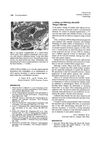
January 1987 in “Journal of The American Academy of Dermatology” A man lost a lot of scalp hair quickly after stopping minoxidil, but it grew back with mild male pattern baldness.
January 1999 in “대한피부과학회지” Trichotillomania is more common in young females and often linked to stress and psychiatric conditions, with hair loss and increased catagen hair observed.
Vertex accentuation is a common pattern in female hair loss.
 19 citations
,
September 2011 in “Clinical and Experimental Dermatology”
19 citations
,
September 2011 in “Clinical and Experimental Dermatology” Transverse scalp sections are better for diagnosing non-scarring hair loss, while vertical sections are better for a specific scarring hair loss called lichen planopilaris.
 5 citations
,
September 1998 in “Atlas of the oral and maxillofacial surgery clinics of North America”
5 citations
,
September 1998 in “Atlas of the oral and maxillofacial surgery clinics of North America” Hair transplantation and micrografting, used for baldness, involve moving hair follicles from hair-rich to bald areas, requiring careful procedure and post-care for success.
 August 2020 in “Acta medica Iranica”
 Bumps on the face may be an early sign of a type of hair loss called frontal fibrosing alopecia.
 1 citations
,
December 2019 in “Formuly farmacii”
1 citations
,
December 2019 in “Formuly farmacii” Many people suffer from hair loss, which is caused by a disruption in hair growth, and there is a need for personalized treatments and new drugs.
 56 citations
,
August 2019 in “Clinical, Cosmetic and Investigational Dermatology”
56 citations
,
August 2019 in “Clinical, Cosmetic and Investigational Dermatology” The document concludes that Telogen Effluvium is a hair loss disorder that can be assessed with the modified wash test and may be treated with clobetasol foam, with patient management being important.
 14 citations
,
July 1987 in “Dermatologic Clinics”
14 citations
,
July 1987 in “Dermatologic Clinics” The document concludes that treating female hair loss should target reducing excess androgen and blocking its effects on hair follicles, with the best treatments being hormonal therapy, adrenal suppression, and topical minoxidil.