Griseofulvin is still the best treatment for tinea capitis.
40 citations
,
August 2018 in “Journal of the American Academy of Dermatology” Clindamycin and rifampicin are the most effective treatments for folliculitis decalvans, but more research is needed.
3 citations
,
August 2024 in “Biomimetics” The hydrogel effectively heals wounds and fights bacteria.
 6 citations
,
June 2016 in “Experimental Dermatology”
6 citations
,
June 2016 in “Experimental Dermatology” Frontal Fibrosing Alopecia is a poorly understood condition that is hard to treat and causes distressing hair loss.
 2 citations
,
August 2020 in “Journal of Cosmetic Dermatology”
2 citations
,
August 2020 in “Journal of Cosmetic Dermatology” Higher granulysin levels in the blood are linked to more severe hair loss in alopecia areata patients, and these levels decrease after effective treatment.
 1 citations
,
January 2024 in “Advanced science”
1 citations
,
January 2024 in “Advanced science” Fibronectin-attached cell sheets improve wound healing and are safe and effective.
 August 2022 in “Dermatology Online Journal”
 Oral and topical tofacitinib can effectively treat severe hair loss with minimal side effects.
 September 2025 in “Cellular and Molecular Biology”
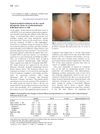
 Intraoperative corticosteroids reduce swelling, and early care lowers folliculitis risk in hair transplant donor sites.
 14 citations
,
July 2012 in “Journal of the American Academy of Dermatology”
14 citations
,
July 2012 in “Journal of the American Academy of Dermatology” Topical tacalcitol ointment can help improve symptoms of EFFC.
5 citations
,
April 2023 in “Pharmaceuticals” The new delivery system improved hair growth in alopecia treatment.
 June 2019 in “Reactions Weekly”
  179 citations
,
December 2004 in “Journal of The American Academy of Dermatology”
179 citations
,
December 2004 in “Journal of The American Academy of Dermatology” Some postmenopausal women with frontal fibrosing alopecia stopped losing hair with finasteride treatment, hinting at a possible hormonal cause.
 44 citations
,
April 2011 in “Critical reviews in analytical chemistry”
44 citations
,
April 2011 in “Critical reviews in analytical chemistry” Fluconazole is an effective antifungal medication with potential side effects and lacks official analytical methods for its determination.
 6 citations
,
November 1996 in “Archives of Dermatology”
6 citations
,
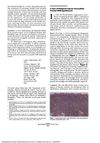
November 1996 in “Archives of Dermatology” A man's relapsed leprosy was successfully treated with the antibiotic sparfloxacin.
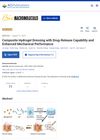 August 2025 in “Biomacromolecules”
 The hydrogel dressing improves wound healing, offers long-lasting antibacterial effects, and enhances patient comfort.
 44 citations
,
March 2016 in “Frontiers in cellular neuroscience”
44 citations
,
March 2016 in “Frontiers in cellular neuroscience” Some natural compounds can protect fish ear cells from damage by certain antibiotics without affecting the antibiotics' ability to fight infections.
24 citations
,
February 2023 in “BMC Complementary Medicine and Therapies” Forsythiaside A reduces kidney damage from sepsis by lowering inflammation and cell death.
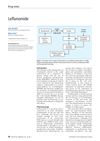 January 2018 in “Practical diabetes”
 Leflunomide is effective for rheumatoid arthritis but has significant side effects.
 July 2024 in “Medical alphabet”
 JAK inhibitors like tofacitinib may effectively treat alopecia in children without major side effects.
10 citations
,
July 2023 in “Pharmaceuticals” The gel with coral extract and pectin nanoparticles helps heal chronic wounds.
 12 citations
,
September 2018 in “Journal of Drug Delivery Science and Technology”
12 citations
,
September 2018 in “Journal of Drug Delivery Science and Technology” The silk fibroin hydrogel with FGF-2-liposome can potentially treat hair loss in mice.
 March 2023 in “Journal of the American Academy of Dermatology”
 Treating underlying conditions and using antifungals effectively resolve Pityrosporum folliculitis in immunocompromised people.
 April 2016 in “Journal of Investigative Dermatology”
 Mefloquine, an antimalarial drug, is effective in killing melanoma cells resistant to other treatments by causing lethal stress in the cells.
6 citations
,
June 2009 in “Clinical and Experimental Dermatology” Topical tacrolimus reduces certain growth factors in hair follicles.
October 2010 in “EUR Research Repository (Erasmus University Rotterdam)” A fungal skin infection was successfully treated with medication and compression therapy.
 69 citations
,
December 2015 in “Journal of Controlled Release”
69 citations
,
December 2015 in “Journal of Controlled Release” Nanocapsules can improve clobetasol delivery to hair follicles, reducing side effects.
43 citations
,
January 2015 in “Journal of Cutaneous Medicine and Surgery” Most patients improved with oral antibiotics, but some needed long-term treatment or had minimal response.
22 citations
,
March 2017 in “Transplant Infectious Disease” Leflunomide successfully treated a rare skin condition in a liver transplant patient.
 6 citations
,
February 2015 in “Anais Brasileiros de Dermatologia”
6 citations
,
February 2015 in “Anais Brasileiros de Dermatologia” Patients with mycosis fungoides have a higher risk of heart disease.
15 citations
,
November 2024 in “Journal of Advanced Research” miR-3606-3p reduces skin fibrosis by blocking key signaling pathways.