 6 citations
,
October 2021 in “Indian Journal of Plastic Surgery”
6 citations
,
October 2021 in “Indian Journal of Plastic Surgery” Eyebrow restoration using FUE is effective with careful planning and technique.
 1 citations
,
July 2022 in “Clinical dermatology review”
1 citations
,
July 2022 in “Clinical dermatology review” Hair transplantation is an effective hair loss treatment with two main techniques, requires careful planning, and can improve beard and eyebrows appearance.
 December 2020 in “Springer eBooks”
 Hair restoration surgery, using modern techniques like FUE and FUT, effectively restores hair with minimal recovery time and high success rate.
 6 citations
,
May 2013 in “Dermatologic Surgery”
6 citations
,
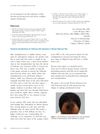
May 2013 in “Dermatologic Surgery” FUE can be successfully done on African-American hair by using larger punch tools and careful techniques to reduce hair damage.
October 2022 in “Hair Transplantation” Improving donor scar appearance in hair transplants involves careful technique and addressing factors like tension, scalp elasticity, and patient habits.
 10 citations
,
July 2019 in “Facial Plastic Surgery Clinics of North America”
10 citations
,
July 2019 in “Facial Plastic Surgery Clinics of North America” Facial hair transplantation has improved to give natural-looking beards and eyebrows with proper technique and patient care.
 November 2025 in “Indian Journal of Plastic Surgery”
 The FUET method improves hair transplant precision and outcomes by combining FUT and FUE techniques under a surgeon's control.
 December 2023 in “International Journal of Science and Research (IJSR)”
 FUE is a safe and effective method for beard and moustache transplants.
 January 2013 in “프로그램북(구 초록집)”
 Hair restoration surgery is improving, with less painful techniques like FUE and robotic systems, but they can be costly and require training.
7 citations
,
August 2023 in “Dermatologic Surgery” A new device improves hair transplant success for people of African descent by considering skin thickness and firmness.
Hair transplants are effective for male and female pattern baldness, have evolved in technique, and require careful planning for natural results and managing complications.
 November 2006 in “Dermatologic Surgery”
 Cutting hair follicles into pieces for transplantation results in poor growth and thinner hair, and the technique is more invasive than previously thought.
 28 citations
,
August 2013 in “Facial Plastic Surgery Clinics of North America”
28 citations
,
August 2013 in “Facial Plastic Surgery Clinics of North America” Body and beard hair can be used for hair restoration in severely bald patients, but the technique is complex and costly.

Proper planning and careful extraction are crucial for successful and sustainable hair transplants.
Linear-strip excision is a traditional hair restoration method with specific pros and cons compared to newer techniques.
 November 2023 in “Facial Plastic Surgery”
 The document concludes that FUE hair restoration is often misleadingly advertised and raises ethical concerns regarding patient evaluation and business practices.
 January 2010 in “Elsevier eBooks”
 Hair transplantation is a treatment for hair loss mainly caused by genetics, with various techniques and potential complications, and results visible after 8-12 months.
January 2024 in “Brazilian Journal of Hair Health” Hair science has grown significantly, focusing on conditions like alopecia and improving treatments and techniques.

The robotic system for hair restoration surgery works well, giving similar results to manual techniques after 9 months.
 14 citations
,
May 2019 in “Journal of Maxillofacial and Oral Surgery”
14 citations
,
May 2019 in “Journal of Maxillofacial and Oral Surgery” FUE hair transplant is a promising method with benefits like less scarring, but requires a skilled surgeon and can damage hair follicles.
 13 citations
,
September 2018 in “Hair transplant forum international”
13 citations
,
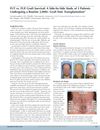
September 2018 in “Hair transplant forum international” FUE and FUT hair transplants have similar success rates, with FUE slightly better.
 October 2022 in “IntechOpen eBooks”
 Hair loss due to scarring can be treated by reducing inflammation, removing scar tissue, and transplanting hair. The Follicular Unit Extraction technique is effective but requires skill and time. Future focus should be on scar-less healing methods.
 May 2017 in “InTech eBooks”
 Follicular Unit Extraction (FUE) is a popular hair transplant method with minimal scarring that can transplant many grafts quickly and improve appearance and psychological well-being.

The document concludes that the FOLLYSIS© system improves hair transplant processes and patient monitoring with high accuracy and less skin trauma.
 13 citations
,
August 2016 in “Journal of Cosmetic Dermatology”
13 citations
,
August 2016 in “Journal of Cosmetic Dermatology” Using normal saline in vertical extraction for hair transplants reduces donor area injury more than acute extraction.
 13 citations
,
August 2002 in “Dermatologic Surgery”
13 citations
,
August 2002 in “Dermatologic Surgery” FUE is a less invasive hair transplant method suitable for many patients, but it has limitations and may not replace traditional techniques.
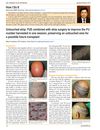 4 citations
,
January 2012 in “International Society of Hair Restoration Surgery”
4 citations
,
January 2012 in “International Society of Hair Restoration Surgery” Combining FUE and strip surgery increases hair harvested in one session and keeps options open for future transplants.
 December 2025 in “Journal of Maxillofacial and Oral Surgery”
 Sapphire blades, double-forceps, and personalized procedures improve hair transplant success and satisfaction.
 October 2023 in “Facial Plastic Surgery”
 FUE hair restoration is generally safe but can have complications, especially if done by untrained individuals.
 October 2021 in “Journal of the European Academy of Dermatology and Venereology”
 There have been major advances in diagnosing and treating hair loss over the last 30 years, with new drugs and improved hair transplant techniques.