 1 citations
,
April 2023 in “bioRxiv (Cold Spring Harbor Laboratory)”
1 citations
,
April 2023 in “bioRxiv (Cold Spring Harbor Laboratory)” Climate-related nutritional stress may cause hair loss in juvenile male Guadalupe fur seals.
 40 citations
,
June 2011 in “Journal of biological chemistry/The Journal of biological chemistry”
40 citations
,
June 2011 in “Journal of biological chemistry/The Journal of biological chemistry” FA2H is essential for normal fur and sebum production in mice.
9 citations
,
March 1999 in “Der Hautarzt” Type 2 5α-reductase plays a key role in hair loss.
Men with early balding may have a higher risk of prostate issues, and surgery for prostate cancer has a slight survival benefit over radiation.
 30 citations
,
January 2015 in “BioMed Research International”
30 citations
,
January 2015 in “BioMed Research International” Continuous light exposure in rats leads to PCOS-like symptoms and suggests sleep habits might affect the disorder's development.
 28 citations
,
July 2007 in “Development”
28 citations
,
July 2007 in “Development” TAF4 is important for skin cell growth and helps prevent skin cancer in mice.
 13 citations
,
December 1940 in “The journal of nutrition/The Journal of nutrition”
13 citations
,
December 1940 in “The journal of nutrition/The Journal of nutrition” Lack of certain vitamins causes fur loss and greying in silver foxes.
December 2024 in “PLoS ONE” Alopecia in gray bats is most common and severe during lactation, likely due to stress and nutrition.
8 citations
,
January 2018 in “Science of the total environment” Australian fur seals' fur shows high levels of pollutants, which may be linked to hair loss in young female seals.
 1 citations
,
January 2006 in “Elsevier eBooks”
1 citations
,
January 2006 in “Elsevier eBooks” Cats lose fur due to various reasons, including allergies, infections, genetics, hormones, diet, cancer, stress, and some conditions are treatable while others are not.
7 citations
,
January 1991 in “Comparative biochemistry and physiology. A. Comparative physiology” A diet high in vitamin E improved blood health, skin, and fur in common marmosets.
 16 citations
,
April 2012 in “Journal of mammalogy”
16 citations
,
April 2012 in “Journal of mammalogy” Young female Australian fur seals are losing hair due to low tyrosine and zinc levels and high pollution exposure.
Early balding may be a sign of future prostate problems.
 2 citations
,
September 2020 in “Schweizer Archiv für Tierheilkunde”
2 citations
,
September 2020 in “Schweizer Archiv für Tierheilkunde” Swiss Holstein cattle with curly, short hair carry genes from the Simmental breed.
67 citations
,
September 2017 in “Cell Reports” Caloric restriction improves skin and fur structure but can cause muscle loss and movement issues.
 12 citations
,
January 1981 in “Springer eBooks”
12 citations
,
January 1981 in “Springer eBooks” Environmental factors like temperature and nutrition affect hair growth, with humans showing seasonal hair growth differences.
 86 citations
,
October 2005 in “Experimental Dermatology”
86 citations
,
October 2005 in “Experimental Dermatology” The Foxn1 gene mutation causes hairlessness and immune system issues, and understanding it could lead to hair growth disorder treatments.
 72 citations
,
November 2012 in “PloS one”
72 citations
,
November 2012 in “PloS one” The protein folliculin, involved in a rare disease, works with another protein to control how cells stick together and their organization, and changes in this interaction can lead to disease symptoms.
31 citations
,
July 2012 in “Journal of Lipid Research” ACBP is crucial for healthy skin in mice.
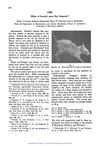 20 citations
,
November 1943 in “Experimental Biology and Medicine”
20 citations
,
November 1943 in “Experimental Biology and Medicine” Inositol helped prevent and cure hair loss in rats.
 8 citations
,
March 2018 in “Journal of Drug Delivery Science and Technology”
8 citations
,
March 2018 in “Journal of Drug Delivery Science and Technology” Itraconazole-loaded nanoparticles are more effective and less toxic for treating fungal infections than conventional oral itraconazole.
 2 citations
,
April 2022 in “PubVet”
2 citations
,
April 2022 in “PubVet” The cat's skin condition improved significantly with medication, with no relapse.
 1 citations
,
February 2018 in “Madridge journal of dermatology & research”
1 citations
,
February 2018 in “Madridge journal of dermatology & research” The plant extract remedy Satura® Rosta promotes hair growth and regrowth without negative effects.
 2 citations
,
May 2017 in “Archives of Plastic Surgery”
2 citations
,
May 2017 in “Archives of Plastic Surgery” The document concludes that understanding the evolution of the human face helps cosmetic surgeons meet aesthetic desires.
21 citations
,
January 1945 in “Journal of Nutrition” Biotin deficiency in monkeys causes fur and skin issues, but 20 μg of biotin daily can prevent or cure it.
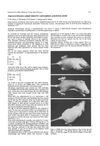 2 citations
,
September 1980 in “Experientia”
2 citations
,
September 1980 in “Experientia” Polyethylene alanine caused hair loss in young lab animals but not in adults, with hair regrowth occurring within 20 days.
 November 2022 in “Brazilian journal of veterinary pathology”
 The Yorkshire terrier has a genetic hair loss condition not improved by treatment.
2 citations
,
August 1987 in “Archives of Dermatology” Langerhans' cells are not responsible for depigmentation in this mouse model.
33 citations
,
July 2007 in “Journal of cell science” Miz1 is essential for proper hair structure and growth.
 437 citations
,
August 2014 in “Cell metabolism”
437 citations
,
August 2014 in “Cell metabolism” Turning white fat into brown-like fat could help fight obesity and type 2 diabetes.