 7 citations
,
September 2022 in “Communications biology”
7 citations
,
September 2022 in “Communications biology” Omega-6 fats in certain cells boost male hormone production.
May 2018 in “The journal of immunology/The Journal of immunology” Mutations in the FOXN1 gene cause severe immune issues but don't affect hair and nails.
6 citations
,
October 2022 in “International Journal of Molecular Sciences” Male mice with FGF5 mutations grow longer hair than females.
June 2008 in “The Knowledge Bank (The Ohio State University)” Smad2 and Smad3 are essential for normal skin development, and their absence causes severe skin issues and cancer.
 56 citations
,
December 2011 in “The Plant Journal”
56 citations
,
December 2011 in “The Plant Journal” AGD1 is important for root hair development in Arabidopsis, working with phosphoinositide signaling and the actin cytoskeleton.
1 citations
,
October 2021 in “The journal of investigative dermatology/Journal of investigative dermatology” Removing HIF-P4H-2 from certain skin cells in mice causes hair loss on the body but not the head.
 16 citations
,
January 2005 in “The International Journal of Developmental Biology”
16 citations
,
January 2005 in “The International Journal of Developmental Biology” Hex gene plays a crucial role in starting feather development in chick embryos.
50 citations
,
September 2012 in “Developmental Biology” Sprouty and FGF balance is crucial for normal feather shape and size.
9 citations
,
July 2022 in “Journal of Biological Chemistry” WWP2 is crucial for tooth development in mice.
 66 citations
,
April 1995 in “The journal of cell biology/The Journal of cell biology”
66 citations
,
April 1995 in “The journal of cell biology/The Journal of cell biology” A new protein was made to detect specific skin cell growth receptors and worked in normal skin but not in skin cancer cells.
 45 citations
,
July 2009 in “Journal of human genetics”
45 citations
,
July 2009 in “Journal of human genetics” A gene variation is linked to hair thickness in Asians.
44 citations
,
January 2023 in “New Phytologist” FER and TOR signaling help root hair growth in low temperature and low nitrate conditions.
 August 2016 in “Journal of Investigative Dermatology”
 Zinc deficiency disrupts hair growth and cycle, but zinc supplements can fix this.
94 citations
,
March 1996 in “Journal of Investigative Dermatology” 172 citations
,
March 2019 in “The EMBO Journal” FERONIA and LRX proteins help control cell growth in plants by regulating vacuole expansion.
58 citations
,
April 1993 in “Developmental Biology” bFGF delays hair growth in mice.
 277 citations
,
July 2002 in “Molecular Endocrinology”
277 citations
,
July 2002 in “Molecular Endocrinology” Removing part of the vitamin D receptor stops vitamin D from working properly.
January 1982 in “Clinical Cosmetic and Investigational Dermatology” Familial dyskeratotic comedones are a rare, inherited skin condition that is hard to treat but may improve slightly with topical retinoids and urea cream.
July 2025 in “International Journal of Biological Macromolecules” Fucoidan may help regrow hair and reduce inflammation in hair loss.
53 citations
,
August 2005 in “The Journal of Cell Biology” Sgk3 is essential for normal hair follicle growth and maintenance.
 October 2021 in “Journal of Investigative Dermatology”
 Dkk4 protein is necessary for the proper development and arrangement of hair follicles.
22 citations
,
March 2019 in “The Journal of Cell Biology” The Wave complex controls skin growth by suppressing certain signals.
January 2018 in “Zurich Open Repository and Archive (University of Zurich)”  1 citations
,
June 2021 in “bioRxiv (Cold Spring Harbor Laboratory)”
1 citations
,
June 2021 in “bioRxiv (Cold Spring Harbor Laboratory)” GTL1 is needed to control root hair growth and prevent problems when there are too many nutrients.
 81 citations
,
November 2012 in “Journal of the National Cancer Institute”
81 citations
,
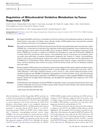
November 2012 in “Journal of the National Cancer Institute” The tumor suppressor gene FLCN affects mitochondrial function and energy use in cells.
 1 citations
,
September 2016 in “Journal of Dermatological Science”
1 citations
,
September 2016 in “Journal of Dermatological Science” FGF18 treatment during hair's resting phase can protect against hair loss from radiation.
 6 citations
,
May 2013 in “PloS one”
6 citations
,
May 2013 in “PloS one” The Foxn1(-/-) nude mouse shows disrupted and expanded skin stem cell areas due to high Lhx2 levels.
79 citations
,
January 2002 in “Nucleic Acids Research” BMP-2 activates the Dlx3 gene in mouse skin cells, important for hair and skin development.
 February 2024 in “Skin research and technology”
 The research suggests that immune cells and a specific type of cell death called ferroptosis are involved in Frontal fibrosis alopecia.
December 2004 in “PLoS ONE” The Foxn1(-/-) phenotype disrupts hair growth and affects skin stem cells.