 October 2024 in “Archives of Dermatological Research”
 Higher GPER-1 levels are linked to more severe and shorter-duration androgenetic alopecia, suggesting GPER-1 as a potential treatment target.
 August 2024 in “Archives of Dermatological Research”
 Combining botulinum toxin type A with Minoxidil significantly improves hair growth and patient satisfaction in male hair loss.
 August 2023 in “Research Square (Research Square)”
 Personalized thiopurine dosing based on NUDT15 genotyping can improve long-term outcomes for ulcerative colitis and Crohn's disease patients.
 June 2023 in “Journal of Ayurvedic and Herbal Medicine”
 Age, stress, and anger increase the risk of hair fall.
 January 2023 in “International Journal of Contemporary Pediatrics”
 A rare genetic disease causes rickets and often hair loss in young children, which can improve with specific treatments.
 January 2023 in “Our Dermatology Online”
 Laser hair removal is effective but may have side effects.
 December 2021 in “Acta Marisiensis”
 Insulin resistance increases the risk of developing type 2 diabetes and other health issues.
 July 2021 in “International Journal of Community Medicine and Public Health”
 Men with type 2 diabetes often have low testosterone and signs of hypogonadism, especially if they are overweight.
 August 2020 in “Textile research journal”
 The model helps understand how wool fiber structure affects its strength and flexibility.
 May 2019 in “Anais brasileiros de dermatologia/Anais Brasileiros de Dermatologia”
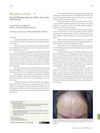
 Frontal fibrosing alopecia mostly affects postmenopausal women, with diagnosis often delayed by 3 years.
 January 2018 in “Stem cell biology and regenerative medicine”
 The conclusion is that the nuclear lamina and LINC complex in skin cells respond to mechanical signals, affecting gene expression and cell differentiation, which is important for skin health and can impact skin diseases.
Losing weight and eating better are key to managing metabolic syndrome and its related conditions.
 April 2017 in “Childhood Kidney Diseases”
 Azathioprine can cause severe blood issues and hair loss, needing careful monitoring and possible discontinuation.
 April 2017 in “Journal of Investigative Dermatology”
 SIG-1451 could be a promising new treatment for atopic dermatitis.
 December 2015 in “University of Birmingham Institutional Research Archive (University of Birmingham)”
 AKR1C3 could be a treatment target for metabolic issues in PCOS.

The document concludes that accurate diagnosis and management of PCOS are crucial due to its associated health risks.
 April 2008 in “Expert review of dermatology”
 Mutations in the P2RY5 gene cause hereditary woolly hair.

Finasteride reduces prostate cancer risk but may increase high-grade tumors; new drugs and better diagnosis are in development, but funding and industry commitment are challenges.
 July 2002 in “Australasian Journal of Dermatology”
 Maintaining anticoagulation is crucial for patients with antiphospholipid syndrome.
 November 1999 in “Australasian Journal of Dermatology”
 The document concludes that there is a need for more research and regulation in dermatology, covering topics like latex allergy in children, the use of botulinum toxin, and treatments for skin conditions.
February 1996 in “Clinical Pharmacology & Therapeutics” MK-386 reduces sebum DHT levels.
 March 2020 in “Journal of evolution of medical and dental sciences”
 Male pattern baldness, especially the vertex type, could be an early sign of cardiovascular risk factors like high cholesterol and diabetes.
 July 2011 in “British Journal of Dermatology”
 Hormone treatment caused hair loss, finasteride helped regrowth.
 53 citations
,
June 2012 in “Annales d'Endocrinologie”
53 citations
,
June 2012 in “Annales d'Endocrinologie” The document concludes that recognizing and properly diagnosing lipodystrophy syndromes is crucial for effective management and treatment.
2 citations
,
August 2024 in “JID Innovations” AD-derived keratinocytes effectively mimic inflammation in atopic dermatitis.
 10 citations
,
March 2014 in “Scandinavian journal of clinical and laboratory investigation”
10 citations
,
March 2014 in “Scandinavian journal of clinical and laboratory investigation” Malondialdehyde-modified DNA may trigger an immune response in alopecia areata patients.
 4809 citations
,
January 2004 in “Fertility and Sterility”
4809 citations
,
January 2004 in “Fertility and Sterility” The 2003 consensus updated PCOS diagnosis criteria and highlighted increased risks of diabetes and heart disease for those affected.
 4025 citations
,
December 2003 in “Human Reproduction”
4025 citations
,
December 2003 in “Human Reproduction” The 2003 consensus updated PCOS diagnosis criteria and linked PCOS to higher risks of diabetes and heart problems, recommending lifestyle changes to lower these risks.
 991 citations
,
January 2011 in “Nature Reviews Endocrinology”
991 citations
,
January 2011 in “Nature Reviews Endocrinology” The document concludes that PCOS is a complex disorder caused by both genetic and environmental factors, affecting women's health in various ways, and requires personalized treatment.
 926 citations
,
June 2010 in “BMC Medicine”
926 citations
,
June 2010 in “BMC Medicine” Polycystic ovary syndrome is a complex condition that affects women's mental, reproductive, and metabolic health throughout their lives.