 11 citations
,
June 2012 in “Acta histochemica”
11 citations
,
June 2012 in “Acta histochemica” Mice with a Gsdma3 gene mutation have thicker skin and longer hair follicle openings due to increased β-catenin levels.
 34 citations
,
June 2011 in “Alcoholism: Clinical and Experimental Research”
34 citations
,
June 2011 in “Alcoholism: Clinical and Experimental Research” Three drugs change mice's alcohol drinking patterns by affecting GABAA receptors.
 56 citations
,
December 2011 in “The Plant Journal”
56 citations
,
December 2011 in “The Plant Journal” AGD1 is important for root hair development in Arabidopsis, working with phosphoinositide signaling and the actin cytoskeleton.
25 citations
,
July 2006 in “Journal of Neurochemistry” Progesterone affects GABAA receptor function by altering δ subunit levels.
 76 citations
,
April 2005 in “Cancer Epidemiology, Biomarkers & Prevention”
76 citations
,
April 2005 in “Cancer Epidemiology, Biomarkers & Prevention” E211 G>A gene linked to lower risk of severe prostate cancer and hair loss.
Editing the FGF5 gene in sheep increases fine wool growth.
 17 citations
,
June 2011 in “The journal of investigative dermatology/Journal of investigative dermatology”
17 citations
,
June 2011 in “The journal of investigative dermatology/Journal of investigative dermatology” The G60S Connexin43 mutation causes hair growth issues and poor hair quality in mice, similar to human ODDD patients.
5 citations
,
October 2023 in “Forests” Ginkgo biloba has high genetic diversity, useful for future breeding.
13 citations
,
June 2024 in “Frontiers in Genetics” About 50% of 46, XY DSD cases lack a genetic diagnosis, but advanced sequencing methods improve detection.
January 2025 in “Case Reports in Genetics” A rare gene variant causes sexual development issues in siblings, needing personalized treatment.
36 citations
,
October 2015 in “Cell reports” Gab1 protein is crucial for hair growth and stem cell renewal, and Mapk signaling helps maintain these processes.
110 citations
,
January 1995 in “European Journal of Neuroscience” Glycine is a key transmitter in rat spinal cord synapses, often alongside GABA.
 November 2022 in “Journal of the Endocrine Society”
 A boy with a new NR5A1 gene mutation has a sex development disorder without affecting his adrenal glands.
 February 2023 in “Journal of Ginseng Research/Journal of ginseng research”
 New ginseng compounds may help treat degenerative diseases.
 28 citations
,
August 2014 in “Journal of Assisted Reproduction and Genetics”
28 citations
,
August 2014 in “Journal of Assisted Reproduction and Genetics” The VEGF +405G allele may increase the risk of PCOS in South Indian women.
 3 citations
,
April 2025 in “Nature Communications”
3 citations
,
April 2025 in “Nature Communications” GIANT improves brain imaging by using genetics to better map brain regions.
2 citations
,
February 2012 in “PubMed” Gp₄G promotes hair growth and improves skin health.
January 2026 in “Advanced Science” Increasing XIAP and DDRGK1 can help prevent hearing loss from loud noise.
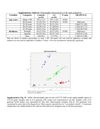 7 citations
,
July 2020 in “Immunological Investigations”
7 citations
,
July 2020 in “Immunological Investigations” The rs231775 genetic variant is linked to a higher risk and severity of Alopecia Areata in males.
6 citations
,
October 2022 in “International Journal of Molecular Sciences” Male mice with FGF5 mutations grow longer hair than females.
 28 citations
,
March 2010 in “British Journal of Dermatology”
28 citations
,
March 2010 in “British Journal of Dermatology” Genetic marker rs12558842 strongly linked to male hair loss.
 9 citations
,
August 2013 in “PLOS ONE”
9 citations
,
August 2013 in “PLOS ONE” Genetic variants at 20p11 increase baldness risk in Chinese Han people.
3 citations
,
June 2017 in “Reproductive biomedicine online” A certain mutation in the fetal alpha 5-reductase gene is linked to a higher risk of late miscarriage.
44 citations
,
April 2013 in “Proceedings of the National Academy of Sciences of the United States of America” FGF13 gene changes cause excessive hair growth in a rare condition.
Giant axonal neuropathy changes the structure of keratin in human hair, making it stiffer and stronger.
 47 citations
,
June 2011 in “Movement Disorders”
47 citations
,
June 2011 in “Movement Disorders” The LRRK2-G2019S mutation in Parkinson's disease has a lifetime penetrance of 25-35%, and finasteride may help reduce symptoms in adult male Tourette syndrome patients.
12 citations
,
February 2017 in “Journal of neuroscience research” Removing certain brain receptors in mice worsens seizure severity and response to treatment during hormone withdrawal.
136 citations
,
July 2014 in “Proceedings of the National Academy of Sciences of the United States of America” FGF5 gene mutations cause unusually long eyelashes by affecting hair growth regulation.
14 citations
,
March 2018 in “The American journal of case reports” People with the same genetic mutation for Woodhouse-Sakati syndrome can have different symptoms.
 19 citations
,
December 2015 in “European Journal of Human Genetics”
19 citations
,
December 2015 in “European Journal of Human Genetics” A rare ITGB6 gene variant causes intellectual disability, hair loss, and dental issues.