4 citations
,
October 2025 in “Molecules” Fermented pumpkin extracts can be effective for anti-aging and skin protection.
 15 citations
,
July 1997 in “Clinics in Dermatology”
15 citations
,
July 1997 in “Clinics in Dermatology” Traditional Chinese medications can cause skin reactions, and better testing and reporting are needed to identify allergens.
 November 2024 in “Polymers for Advanced Technologies”
 The hydrogel effectively heals wounds and kills bacteria.
 June 2026 in “International Journal of Molecular Sciences”
 Black Ginseng Concentrate may help treat hair loss by improving cell function and reducing stress.
 December 2022 in “한국 미생물 생명공학회지”
 TS-SCLF from fermented Schisandra chinensis may promote hair growth and improve hair quality.
 April 2007 in “한방재활의학과학회지”
 Saengbal-eum promotes hair growth similarly to Minoxidil and could be used for alopecia treatment.
1 citations
,
July 2025 in “Advanced Materials” The zinc-coordinated nanogel therapy speeds up wound healing after pancreas surgery by balancing metabolism and fighting bacteria.
 11 citations
,
June 2012 in “Acta histochemica”
11 citations
,
June 2012 in “Acta histochemica” Mice with a Gsdma3 gene mutation have thicker skin and longer hair follicle openings due to increased β-catenin levels.
 8 citations
,
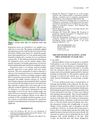
January 2008 in “Pediatric dermatology”
8 citations
,
January 2008 in “Pediatric dermatology” Hair gels may cause split ends in children.
22 citations
,
September 1998 in “PubMed” Panax ginseng helps prevent hair follicle cell death and speeds up hair cell recovery after radiation in mice.
December 2025 in “Sustainable Chemistry One World” Mangosteen waste can be used as an eco-friendly natural hair dye, producing a lasting reddish color and strengthening hair.
 September 2025 in “medRxiv (Cold Spring Harbor Laboratory)”
 Using Centella asiatica EV and growth factors improves scalp health and hair growth.
 49 citations
,
November 2014 in “Journal of Medicinal Food”
49 citations
,
November 2014 in “Journal of Medicinal Food” Red Ginseng Extract may help human hair grow by activating growth pathways and blocking negative effects of certain hormones.
February 2026 in “Advanced Healthcare Materials” The microneedles effectively treat infected wounds by killing bacteria, reducing inflammation, and promoting healing.
May 2024 in “Archives of Dermatological Research” TAT-GILZ peptide promotes hair growth by boosting stem cell activity.
 3 citations
,
September 2021 in “Journal of Food Science and Nutrition”
3 citations
,
September 2021 in “Journal of Food Science and Nutrition” Red Ginseng Extract helps hair grow and improves skin health by stimulating cell growth and enhancing the body's antioxidant defense system.
 3 citations
,
April 2016 in “Food Science and Biotechnology”
3 citations
,
April 2016 in “Food Science and Biotechnology” Oriental melon leaf extract may help hair grow and keep it in the growing phase longer.
 37 citations
,
January 1993 in “Yakugaku zasshi”
37 citations
,
January 1993 in “Yakugaku zasshi” Ginkgo biloba leaf extract may help hair regrowth and improve heart health.
January 2019 in “The Chinese Journal of Dermatovenereology”  May 2022 in “European medical journal”
 An 11-year-old girl with Trichotillomania developed a large hairball in her stomach, treated with medication, therapy, and family education.
 1 citations
,
February 2022 in “International Journal of Health and Pharmaceutical (IJHP)”
1 citations
,
February 2022 in “International Journal of Health and Pharmaceutical (IJHP)” Combining cantigi and henna leaf extracts boosts antioxidant activity.
23 citations
,
January 2014 in “Evidence-based Complementary and Alternative Medicine” Mushroom beta-glucans from Ganoderma lucidum can reduce tumor size and metastasis in cancer.
June 2024 in “Plastic & Reconstructive Surgery Global Open” JOLT uses fillers to lift and tighten the lower face and neck.
November 2024 in “Scientific Reports” Chemotherapy for male germ cell tumors often leads to hypogonadism and related symptoms.
 April 1974 in “Pediatric Research”
 The Naked (N) trait in mice is linked to lower glycine and tyrosine in hair proteins.
 January 2020 in “Juntendo Medical Journal”
 The document's conclusion cannot be determined as the content is not available.
November 2016 in “Hanbang an'i'bi'in'hu pibu'gwa haghoeji” Korean and Western medicine have different effects on hair health.
 August 2023 in “Skin Research and Technology”
 BLH308, with persimmon leaf, green tea, and sophora fruit extracts, safely increased hair density and thickness.
January 2018 in “Refubium (Universitätsbibliothek der Freien Universität Berlin)” New nanocarriers were developed for safer, targeted drug delivery and diagnostics, showing promise for future medical use.