 56 citations
,
December 2011 in “The Plant Journal”
56 citations
,
December 2011 in “The Plant Journal” AGD1 is important for root hair development in Arabidopsis, working with phosphoinositide signaling and the actin cytoskeleton.
 6 citations
,
June 2021 in “Developmental biology”
6 citations
,
June 2021 in “Developmental biology” Dermal EZH2 controls skin cell development and hair growth in mice.
 68 citations
,
April 2012 in “Journal of Investigative Dermatology”
68 citations
,
April 2012 in “Journal of Investigative Dermatology” The conclusion is that Fgf18 and Tgf-ß signaling could be targeted for hair loss treatments.
 August 2013 in “Nature Reviews Drug Discovery”
 New treatments for cancer and skin disorders show promise in disrupting harmful cell interactions and promoting hair growth.
1 citations
,
January 2011 in “ScholarlyCommons (University of Pennsylvania)” Notch signaling is crucial for specifying niche cells in Drosophila testis.
 13 citations
,
February 2018 in “Plastic and Reconstructive Surgery”
13 citations
,
February 2018 in “Plastic and Reconstructive Surgery” The study found that a specific signaling pathway helps skin wounds heal faster but may lead to larger scars.
 6 citations
,
November 2018 in “Histochemistry and Cell Biology”
6 citations
,
November 2018 in “Histochemistry and Cell Biology” Mongolian gerbils heal wounds differently than mice, with unique protein levels and gene expression that affect skin repair.
 June 2026 in “Springer Link (Chiba Institute of Technology)”
 FGFs have evolved differently across species, affecting skin and wound healing.
January 2022 in “SSRN Electronic Journal” LncRNA RP11-818024.3 helps hair growth and recovery in hair loss by boosting cell survival and reducing cell death.
 86 citations
,
May 2008 in “Cytokine & growth factor reviews”
86 citations
,
May 2008 in “Cytokine & growth factor reviews” TNF family proteins are crucial for the development of skin features like hair, teeth, and mammary glands.
91 citations
,
November 2008 in “Journal of biological chemistry/The Journal of biological chemistry” DGAT1 enzyme is crucial for healthy skin and hair by regulating retinoid levels.
GPC1 is important for blood vessel growth in hair follicles and could help treat hair loss.
October 2014 in “Archivio Istituzionale della Ricerca (Universita Degli Studi Di Milano)” A new type of nerve cell involved in itch perception was discovered.
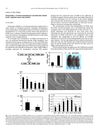 7 citations
,
December 2008 in “Journal of Dermatological Science”
7 citations
,
December 2008 in “Journal of Dermatological Science” Progranulin overexpression leads to shorter, thinner hair and increased cell death in mouse hair follicles.
 5 citations
,
June 2024 in “Developmental Cell”
5 citations
,
June 2024 in “Developmental Cell” Activating TRPV1 can boost hair growth by involving neurons, macrophages, and fibroblasts.
 1 citations
,
January 2018 in “Recent clinical techniques, results, and research in wounds”
1 citations
,
January 2018 in “Recent clinical techniques, results, and research in wounds” Using developmental signaling pathways could improve adult wound healing by mimicking scarless embryonic healing.
 September 2022 in “Research Square (Research Square)”
 Increasing Rps14 helps grow more inner ear cells and repair hearing cells in baby mice.
 45 citations
,
April 2016 in “Journal of Dermatological Science”
45 citations
,
April 2016 in “Journal of Dermatological Science” The Wnt/β-catenin pathway can activate melanocyte stem cells and may help regenerate hair follicles.
9 citations
,
June 2019 in “Cell cycle/Cell cycle (Georgetown, Tex. Online)” A specific RNA increases hair stem cell growth and skin healing by affecting a protein through interaction with a microRNA.
 5 citations
,
January 2016 in “Journal of Molecular Histology”
5 citations
,
January 2016 in “Journal of Molecular Histology” Both main and alternative Wnt signaling are important for regrowing rodent whisker follicles.
January 2026 in “PLoS Biology” ARHGEF3 is essential for proper hair follicle development in mice.
9 citations
,
October 2017 in “Frontiers in plant science” The peach gene CTG134 helps control the interaction between auxin and ethylene, which could lead to new agricultural chemicals.
 6 citations
,
April 2010 in “Cellular Reprogramming”
6 citations
,
April 2010 in “Cellular Reprogramming” Pig skin cells can turn into mesodermal cells but lose their ability to become neural cells.
 December 2024 in “Animals”
 RORA may help regulate hair growth by affecting hair follicle stem cells.
 73 citations
,
April 2013 in “Stem cells”
73 citations
,
April 2013 in “Stem cells” LGR5 helps maintain corneal cell characteristics and prevents unwanted changes by controlling specific cell signaling pathways.
 May 2023 in “Research Square (Research Square)”
 Blocking the HEDGEHOG-GLI1 pathway can reduce keloid growth and may be a potential treatment.
94 citations
,
July 2003 in “Journal of biological chemistry/The Journal of biological chemistry” EGF controls hair growth by regulating hair follicles' growth phases.
161 citations
,
August 2012 in “Seminars in cell & developmental biology” Hair growth and development are controlled by specific signaling pathways.
 65 citations
,
February 2009 in “The journal of investigative dermatology/Journal of investigative dermatology”
65 citations
,
February 2009 in “The journal of investigative dermatology/Journal of investigative dermatology” Anti-acne medications may work by reducing the activity of a protein involved in acne development.
39 citations
,
November 2007 in “Journal of Histochemistry & Cytochemistry” NG2 is crucial for normal skin and hair development in mice.