 April 2018 in “The journal of investigative dermatology/Journal of investigative dermatology”
 GATA6 is important for maintaining and differentiating cells in a key area of human skin.
 67 citations
,
December 2009 in “Stem Cells”
67 citations
,
December 2009 in “Stem Cells” β-Catenin signaling is involved in brain cell growth after injury and could be a therapy target.
10 citations
,
June 2021 in “Journal of Investigative Dermatology”  1 citations
,
April 2016 in “Journal of Investigative Dermatology”
1 citations
,
April 2016 in “Journal of Investigative Dermatology” Prostaglandin D2 increases testosterone levels in skin cells through reactive oxygen species, not enzymes, which could lead to new hair loss treatments.
53 citations
,
March 2006 in “Biopolymers” TTD hair is brittle due to fewer sulfur amino acids and unstable disulfide bonds.
 110 citations
,
April 2002 in “The Journal of clinical endocrinology and metabolism/Journal of clinical endocrinology & metabolism”
110 citations
,
April 2002 in “The Journal of clinical endocrinology and metabolism/Journal of clinical endocrinology & metabolism” Dihydrotestosterone gel improved well-being and sexual function in older men without negatively affecting prostate health.
9 citations
,
February 2012 in “Clinical Neurology and Neurosurgery” Dystonia may be part of PAS-4 and linked to immune issues.
 November 1994 in “The Journal of Dermatologic Surgery and Oncology”
 Thousand-graft hair transplants offer better coverage and look more natural but have concerns about graft survival and cosmetic risks.
 8 citations
,
July 2017 in “The Journal of Steroid Biochemistry and Molecular Biology”
8 citations
,
July 2017 in “The Journal of Steroid Biochemistry and Molecular Biology” DHT affects testicular development and regulates spermatogenesis in some fish.
 September 2022 in “Medical Mycology”
 Three different methods were compared for creating Titan cells, a type of fungus cell. The OZ method made the most cells initially, but the number dropped quickly. The EB method also made a lot of cells, but the number also dropped. The AA method made fewer cells, but the number stayed steady. The methods also affected which genes were active in the cells.
Toxoplasma gondii infection may increase testosterone levels in males.
60 citations
,
July 2018 in “Circulation” Low testosterone can cause a heart rhythm problem in men, but fixing it can prevent the issue.
October 2022 in “Journal of the ASEAN Federation of Endocrine Societies” GnRH-a or orchiectomy is more effective than anti-androgens for managing hormone levels in transgender women.
 11 citations
,
January 2018 in “Acta dermato-venereologica”
11 citations
,
January 2018 in “Acta dermato-venereologica” Researchers found specific genes in the part of hair follicles that could help treat hair disorders.
1 citations
,
January 2019 in “Journal of Research in Medical Sciences” Fewer GGC sequences in the androgen receptor gene improve finasteride treatment for hair loss.
 10 citations
,
January 2004 in “Dermatologic Surgery”
10 citations
,
January 2004 in “Dermatologic Surgery” Storing hair follicles in special buffers with added protective substances can increase hair growth and reduce cell death.
26 citations
,
August 2004 in “Alcoholism Clinical and Experimental Research” Ethanol-induced motor incoordination in rats is not affected by increased neuroactive steroids.
3 citations
,
January 2022 in “Burns & Trauma” CTHRC1 helps sweat glands recover by rebuilding nearby blood vessels.
2 citations
,
June 2016 in “International journal of experimental pathology” Human skin has less GDNF and its receptor with age.
January 2026 in “Preprints.org” Four new FGF5 gene variants cause long hair in dogs.
 March 2024 in “Cytologia”
 LncRNA MTC boosts growth of goat skin cells, improving cashmere quality.
 August 2014 in “Journal of clinical & experimental dermatology research”
 Platelet-released growth factors can treat hair loss by activating hair follicle stem cells, blocking certain pathways, and controlling inflammation and fibrosis.
 56 citations
,
February 2010 in “PLOS ONE”
56 citations
,
February 2010 in “PLOS ONE” Blocking Wnt signaling in young mice causes thymus shrinkage and cell loss, but recovery is possible when the block is removed.
28 citations
,
August 2005 in “Journal of Investigative Dermatology” TG5 helps maintain hair follicle health, while TG3 aids in hair shaft development.
 February 2024 in “Advanced Functional Materials”
 The hydrogel patch helps heal diabetic wounds by releasing a healing agent in response to harmful molecules and improving skin regeneration.
 November 2023 in “Australasian journal of dermatology”
 Dermatologists are essential in helping transgender and gender diverse patients with skin and hair issues related to gender affirmation and hormone therapy.
 July 2025 in “Journal of the American Academy of Dermatology”
 Hair diameter diversity helps assess hair loss, but its standard measure varies by individual and ethnicity.
 May 2023 in “Frontiers in Immunology”
 Treg cell-based therapies might help treat hair loss from alopecia areata, but more research is needed to confirm safety and effectiveness.
 28 citations
,
November 2013 in “The journal of investigative dermatology/Journal of investigative dermatology”
28 citations
,
November 2013 in “The journal of investigative dermatology/Journal of investigative dermatology” GMG-43AC may help reduce unwanted hair growth and treat certain hair loss conditions.
 6 citations
,
January 2016 in “JAMA Dermatology”
6 citations
,
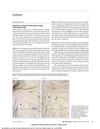
January 2016 in “JAMA Dermatology” Dirty dots are a common scalp finding in elderly women and can be washed away with shampoo.