October 2025 in “Science Advances” IFN-γ production by CD4 T cells is crucial for causing alopecia areata.
October 2025 in “Burns & Trauma” Engineered probiotics can help heal wounds faster, especially in diabetic foot ulcers.
 April 2025 in “Drug Design Development and Therapy”
 Jiawei Erzhiwan helps hair growth in androgenetic alopecia by affecting specific cell pathways.
 December 2024 in “International Journal of Molecular Sciences”
 Human umbilical cord stem cell vesicles may help treat aging and related diseases.
 May 2024 in “Journal of Advanced Research”
 Communication between blood vessel and hair follicle cells decreases with age, affecting hair growth and blood vessel formation.
 January 2024 in “International Journal of Molecular Sciences”
 Blocking the protein CXCL12 with a specific antibody can increase hair growth in common hair loss conditions.
 January 2024 in “Journal of lipid research”
 Finasteride may lower cholesterol and slow heart disease progression.
 November 2023 in “Materials Today Bio”
 Light therapy might help treat hereditary hair loss by improving hair follicle growth in lab cultures.
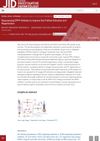 May 2023 in “Journal of Investigative Dermatology”
 Blocking DPP4 can potentially speed up hair growth and regeneration, especially after injury or in cases of hair loss.
 May 2025 in “Journal of Developmental Biology”
 Jawless vertebrates have teeth proteins similar to those in mammalian hair and nails.
 1 citations
,
January 2022 in “Journal of Biosciences and Medicines”
1 citations
,
January 2022 in “Journal of Biosciences and Medicines” Understanding how androgens and their receptors work can lead to improved treatments for skin diseases.
36 citations
,
January 2021 in “Frontiers in Cell and Developmental Biology” Hypoxia and epigenetics are crucial for cell growth and tissue regeneration.
29 citations
,
December 2004 in “Developmental biology” cDermo-1 causes dense skin, feathers, and scales in chickens.
22 citations
,
June 2020 in “iScience” Sox21 is crucial for tooth development and enamel formation by preventing cells from changing into a different type.
6 citations
,
October 2022 in “Frontiers in Physiology” Calcium channels are vital for normal skin function and their dysfunction can lead to skin issues.
6 citations
,
December 2019 in “Frontiers in genetics” GLI1 might protect against the start of skin cancer and is not linked to cancer severity.
CCC1 is crucial for pH balance in plant cells, affecting growth and stress tolerance.

Hair follicle stem cells are crucial for touch sensation and proper nerve structure in mice.
1425 citations
,
September 2020 in “Open Biology” Better understanding of wound healing is needed to develop effective treatments for chronic wounds.
23 citations
,
May 2023 in “Cell Proliferation” TGF-β and FGF pathways are crucial for skin development and regeneration.
1 citations
,
February 2024 in “Preprints.org” Ginsenoside compound K shows promise for treating metabolic diseases like obesity and diabetes, but more research is needed on its safety and effectiveness.
 77 citations
,
April 2004 in “Gene expression patterns”
77 citations
,
April 2004 in “Gene expression patterns” The three estrogen receptor genes are highly expressed in zebrafish neuromasts during development.
 131 citations
,
March 2004 in “The American journal of pathology”
131 citations
,
March 2004 in “The American journal of pathology” Modulating BMP activity changes the number, size, shape, and type of ectodermal organs.
 30 citations
,
October 2016 in “Current research in translational medicine”
30 citations
,
October 2016 in “Current research in translational medicine” Hair follicles on the scalp interact with and respond to the nervous system, influencing their own behavior and growth.
 19 citations
,
January 2015 in “Scientific Reports”
19 citations
,
January 2015 in “Scientific Reports” GPR39 is linked to certain cells in the sebaceous gland and helps with skin healing.
 April 2021 in “Journal of Investigative Dermatology”
 Stem cells control their future role by changing ERK signal timing, affecting tissue regeneration and cancer.
 99 citations
,
August 2009 in “Nature Genetics”
99 citations
,
August 2009 in “Nature Genetics” Removing both Atr and Trp53 genes in adult mice causes severe tissue damage and death due to DNA damage.
 30 citations
,
July 2018 in “Scientific Reports”
30 citations
,
July 2018 in “Scientific Reports” Blocking certain fat production can reverse skin inflammation and hair loss.
 February 2024 in “Scientific reports”
 Four genes are potential markers for hair loss condition alopecia areata, linked to a specific type of cell death.
 April 2019 in “Journal of Investigative Dermatology”
 DPP4-positive fibroblasts play a major role in producing proteins that lead to skin fibrosis.